
Reviewed · ARGENTINE WINE TASTINGS IN BUENOS AIRES
Wine Tasting in Buenos Aires
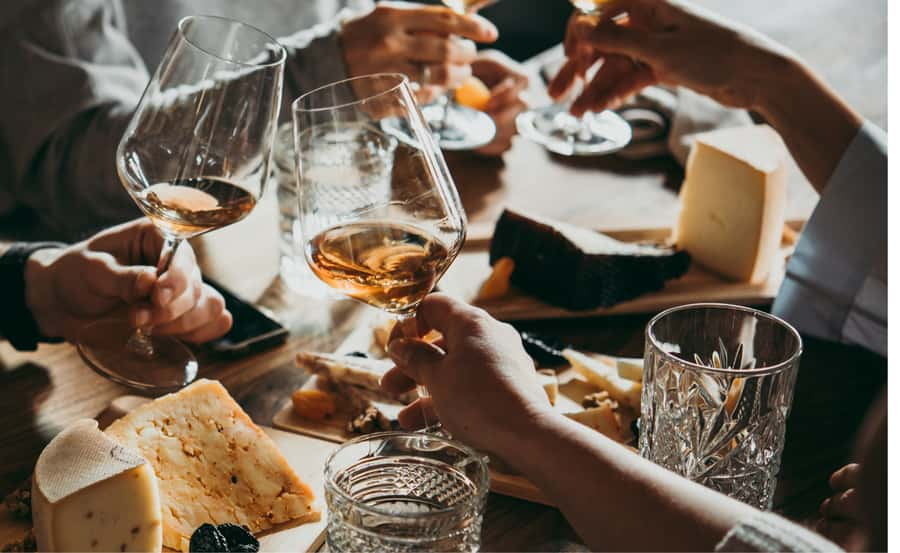
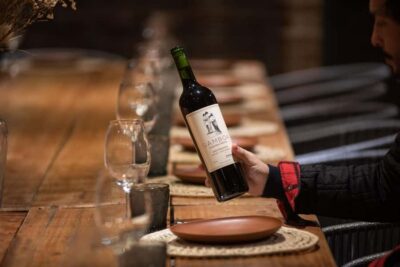
Buenos Aires is a fine place to get acquainted with Argentina’s wine country without leaving the city. This one-hour tasting pairs bottles from Salta, Patagonia, Mendoza, and Entre Ríos with cheeses, cold cuts, bruschetta, and empanadas. I like the regional spread, and I like that the food is substantial enough to make the tasting feel like more than a few sips at a counter.
The main catch is the pace. One hour is short for four wines, and the published details are not fully consistent: one section says three glasses, while the menu and inclusions list four wines. I also like the choice between the Federal Tasting Menu and the Catena Zapata selection, but you should confirm the exact number of pours before booking.
At a glance: what matters most
- Four regions in one tasting: The Federal menu links wines to Salta, Patagonia, Mendoza, and Entre Ríos.
- Real Argentine pairings: Expect bruschetta, selected cheeses, cold cuts, and one traditional empanada.
- Two wine paths: Pick the regional Federal menu or the Catena Zapata Clásico menu.
- A compact one-hour format: Good for a busy Buenos Aires schedule, but not ideal if you want a long lesson.
- Usually an individual experience: This is not presented as a large shared group tour, so the atmosphere may be quiet.
- Bring a card and cash: Transfers and drinks outside the listed wines are not included.
Four regions, four different Argentine ideas
The strongest part of the Federal menu is its sense of place. Instead of giving you four similar bottles from one producer, it moves around Argentina and shows how much the country’s wine culture varies from north to south.
You begin with Coquena Torrontés from Salta, served with Bruschetta Serrana. Torrontés is one of Argentina’s signature white grapes, and Salta is especially known for high-altitude vineyards. This is a sensible opening wine: a white gives your palate a lighter start, while the bruschetta adds salt, texture, and a little weight.
The next pairing brings Primogénito Noir from Patagonia with selected cheeses. The menu does not specify the exact grape in this bottle, so you should not expect a detailed varietal lesson from the written description alone. The important point is the shift from northern Argentina to the cooler southern region, with cheese giving you a simple way to compare the wine’s feel and finish.
The third stop is Gouguenheim Reserva Malbec from Tupungato in Mendoza, paired with cold cuts. Malbec is Argentina’s best-known wine style internationally, and Mendoza is the country’s most familiar wine region. Tupungato is part of the Uco Valley area, so this bottle gives the Federal menu its most recognizable reference point.
You finish with Julepe Tannat from Entre Ríos and a traditional empanada. Tannat is often associated with Uruguay, which makes its appearance from Entre Ríos a useful reminder that Argentina’s wine scene is broader than Malbec. The empanada is also the most distinctly Argentine food pairing on the menu, and it gives the tasting a warm, savory finish.
The pairing sequence makes practical sense. You move from a white with bruschetta to a red with cheese, then a fuller red with cured meats, and finally a red with an empanada. You get a quick tour of Argentine wine styles and foods rather than a single, narrow tasting.
More Argentine Wine Tastings in Buenos Aires
- Buenos Aires: Wine Tasting and Lunch at Bodega Gamboa
★ 4.8 · 177 reviews - Premium Argentinian Wines and Malbec Tasting Experience
★ 4.6 · 60 reviews - Buenos Aires: Palacio Barolo Guided Night Tour with Wine
★ 4.4 · 54 reviews
The Catena Zapata option focuses on one major producer
The second menu, Catena Zapata Clásico, takes a different approach. Instead of crossing several regions and wineries, it focuses on wines connected with one of Argentina’s best-known wine producers.
The opening wine is Saint Felicien Chardonnay, paired with Bruschetta Serrana. The next pour is Nicasia Cabernet Franc, served with selected cheeses. You then try DV Catena Cabernet-Malbec with cold cuts, followed by DV Catena Syrah-Syrah and a traditional empanada.
This option makes sense if you care more about comparing labels from a respected winery than about tasting Argentina by region. It also gives you a more consistent producer theme. The Federal menu is the better pick for geographic variety, while the Catena Zapata menu is the clearer choice for anyone already interested in that winery.
The written information lists four wines for both menu options. Yet the description also says the experience includes three glasses of wine. That may mean one wine is served in a smaller tasting pour, or it may simply be an editing error. I would confirm this before paying, especially because the tasting lasts only one hour.
The food is more than a token snack
Food pairings can make or break a short wine tasting. Here, the menu gives you four distinct accompaniments rather than one small bowl of crackers.
Bruschetta Serrana begins both menus. The name suggests a regional-style bruschetta, but no full ingredient list is provided. You can expect it to serve as the first savory bite with the opening white wine.
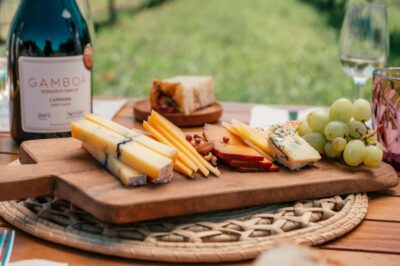
The selected cheeses follow. Since the specific cheeses are not listed, you will not know in advance if they include soft, hard, mild, or pungent varieties. Still, cheese is a useful tasting partner because it changes how wine feels in your mouth and helps break up the alcohol.
Cold cuts come next. This is a practical match for the more substantial red wines, particularly the Malbec in the Federal menu and the Cabernet-Malbec in the Catena Zapata option. The final empanada gives you something warm and filling, though the type of filling is not specified.
The portions are not described, so I would treat the food as tasting accompaniments rather than a guaranteed full meal. One Brazilian booking described the wine and picadas, the local term for a selection of small savory bites, as excellent. Another account found the food pairings very good. That praise is useful, but you should still plan a meal later if you are hungry.
Tell the operator about allergies or dietary restrictions in advance. The published information specifically asks you to do this, but it does not promise that every request can be accommodated.
One hour changes the character of the experience
An hour is a convenient length. You can fit the tasting into an afternoon of sightseeing, before dinner, or between other Buenos Aires plans. You are not committing half a day to a winery visit outside the city.
The tradeoff is depth. If four wines are served in 60 minutes, you have about 15 minutes per wine before allowing time for food, introductions, and the change from one pour to the next. That can work for a lively introduction, but it leaves little room for a detailed discussion of vineyard altitude, winemaking, aging, or regional climate.
The available guide languages are English and Spanish. A live guide is included, which should make the experience more useful than simply ordering a flight from a bar menu. Still, the guide’s level of detail may vary. One United Kingdom booking found the guide friendly but wished for more information about the wines.
That point is worth taking seriously. If you already know wine terms and want a technical class, this may feel too light. If you want a pleasant introduction with food and a few regional comparisons, the short format may be exactly right.
Same city, an entirely different evening:
- Buenos Aires Hop-On Hop-Off Bus, Free Walking Tours & Discounts
★ 4.5 · 2,218 reviews - Buenos Aires: Piazzolla Tango Show with Optional Dinner
★ 4.4 · 2,122 reviews - Buenos Aires: City Highlights Guided Tour with Transfer
★ 4.7 · 1,946 reviews - Buenos Aires: Hop-On Hop-Off City Bus Tour
★ 4.2 · 1,855 reviews
Expect a quiet bar setting, not a big social tour
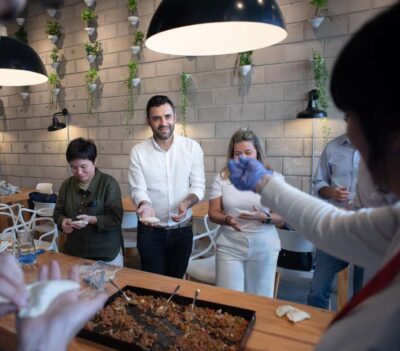
This experience appears to be an individual booking rather than a conventional group excursion. One person arrived expecting a group activity and found only three people in the bar, with two guests doing separate tastings.
That setup has advantages. You can focus on the bottles without a crowd, loud commentary, or a rigid group dynamic. The bar and shop were described as friendly and worth visiting, even though the setting was quiet.
It also means you should not book this expecting a lively wine class where you meet a busload of other visitors. The atmosphere may feel personal, but it may also feel less festive than a packed tasting room.
The venue can change based on availability. This matters because the setting is part of the experience. Check the confirmed location before setting out, and allow a little time to find it.
Location and getting home after dark
The tasting takes place in Buenos Aires Province, with the specific venue subject to availability. Transfers are not included, so you are responsible for reaching the location and arranging your return.
One practical warning concerns the area outside the bar at night. A United Kingdom booking found the exterior uncomfortable for walking alone after dark, particularly for a woman. That does not tell you what every evening will be like, but it is enough reason to arrange a car or another clear return plan if your tasting ends late.
Bring a credit card and cash. The included wines and listed food pairings are covered, but extra drinks and additional food are not. If you want to continue drinking after the tasting, you will pay separately.
Is the $60 price fair?
At $60 per person, this is not the cheapest way to drink Argentine wine in Buenos Aires. A restaurant may offer a bottle or glass for less, and you could order an empanada and a glass of Malbec without booking a formal activity.
The value comes from the guided comparison. The Federal menu gives you wines from four Argentine regions, while the Catena Zapata menu gives you four labels from a major producer. The food is also more carefully matched than a casual bar snack, with cheese, cold cuts, bruschetta, and an empanada spread across the tasting.
The price is easier to justify if you are new to Argentine wine or want an organized introduction without traveling to Mendoza. It is harder to justify if you already know these styles, expect a long educational session, or want a full dinner.
The mixed score reflects that difference in expectations. The strongest positive points are the wine quality, friendly service, easy-to-find location, and good food pairings. The main criticism is value for money, tied to the quick pace and limited explanation.
I would call this a fair but not automatic value. You are paying for convenience, selection, and a guided tasting in the city. You are not paying for a winery tour, a long seminar, or an evening-long meal.
Who will enjoy this tasting most?
I would recommend it to:
- First-time visitors who want a quick introduction to Argentine wine.
- People who enjoy pairing wine with small savory foods.
- Couples or solo visitors looking for a quiet, compact activity.
- Anyone choosing between regional variety and a Catena Zapata-focused menu.
- Visitors who do not have time for a full-day wine excursion.
I would be more cautious if you:
- Want a lively group event.
- Expect detailed technical information about every bottle.
- Need a full meal rather than tasting portions.
- Are sensitive to unclear booking details.
- Plan to walk alone through an unfamiliar area late at night.
The experience is for adults over 18 only. Babies and children under 18 are not suitable for the tasting.
Booking advice before you pay
First, ask whether you will receive three or four pours. The menu lists four wines, and the inclusion section also names four wines, but another part says three glasses. Get that clarified in writing.
Next, choose your menu based on what you want to learn. Select Federal if you want a fast tour through Salta, Patagonia, Mendoza, and Entre Ríos. Select Catena Zapata Clásico if you would rather compare Saint Felicien, Nicasia, and DV Catena labels from one major producer.
Tell the provider about allergies or dietary restrictions before the date. Also confirm the venue, since it may change with availability.
The experience allows flexible booking, with reserve-now and pay-later availability. The cancellation information needs careful attention because two versions are supplied: one says cancellation up to 24 hours before the tasting receives a full refund, while another gives a sliding policy with full refund up to 48 hours, 50 percent refund between 24 and 48 hours, and no refund inside 24 hours or for a no-show. Confirm the exact policy attached to your booking.
Should you book it?
Book this tasting if you want a short, food-friendly introduction to Argentine wine and like the idea of comparing several regions or Catena Zapata labels in one sitting. The four regional bottles, familiar Argentine foods, English or Spanish guiding, and easy one-hour format make it a practical city activity.
Skip it if you want a long lesson, generous pours, a social group atmosphere, or a full dinner. The quick pace and conflicting information about the number of wines are real drawbacks.
For the best experience, choose your menu carefully, confirm the pours and venue, disclose food restrictions, and arrange your ride home if the tasting ends after dark.
FAQ
How long does the wine tasting last?
The experience lasts one hour. Starting times vary, so check availability when booking.
How many wines are included?
The menu and inclusion details list four wines for each option. However, another part of the description says the tasting includes three glasses. Confirm the exact number of pours before booking.
What food comes with the tasting?
Both menu options include Bruschetta Serrana, selected cheeses, assorted cold cuts, and a traditional empanada.
What are the two menu options?
The Federal Tasting Menu includes Coquena Torrontés, Primogénito Noir, Gouguenheim Reserva Malbec, and Julepe Tannat. The Catena Zapata Clásico option includes Saint Felicien Chardonnay, Nicasia Cabernet Franc, DV Catena Cabernet-Malbec, and DV Catena Syrah-Syrah.
Is transportation included?
No. Transfers are not included, and extra drinks or food outside the listed items are also not included.
Can people under 18 attend?
No. The tasting is for people over 18 and is not suitable for children under 18 or babies under one year old.
More Food and Drink Tours in Buenos Aires
- Buenos Aires: 9-Course Argentine Meat Tasting at Fogón Asado
★ 4.9 · 826 reviews - Buenos Aires: Local Foodie Adventure with Sherpa Food Tours
★ 4.9 · 670 reviews - Buenos Aires Food Tour: Local Dishes, Steak, Empanada & More
★ 5.0 · 118 reviews - San Telmo: Historical Guided Tour with Street Food & Drinks
★ 5.0 · 87 reviews
Just added around Buenos Aires
- Tango Show at El Querandi with optional Dinner★ 4.2 · 3 reviews
- Walking Tour: Buenos Aires bookstores★ 4.3 · 12 reviews
- Private Underground Tango Immersion★ 5.0 · 31 reviews
- Velez Sarsfield Football Match★ 5.0 · 3 reviews
- Unique Tigre and Delta Private Day Cruise Navegation★ 5.0 · 3 reviews
- Transfers from or to the airport In Argentina Your Best Choice★ 5.0 · 28 reviews
- Tour Buenos Aires in one day on Electric Scooters★ 5.0 · 33 reviews
- Buenos Aires Gastronomic Immersion Tour★ 4.5 · 35 reviews
Argentine Wine Tastings in Buenos Aires, compared.
Premium Argentinian Wines and Malbec Tasting Experience
Read our review →
Discover Argentine Wines Paired with Delicious Tapas
Read our review →
Premium Empanadas Cooking Class & Wine Tasting Experience
Read our review →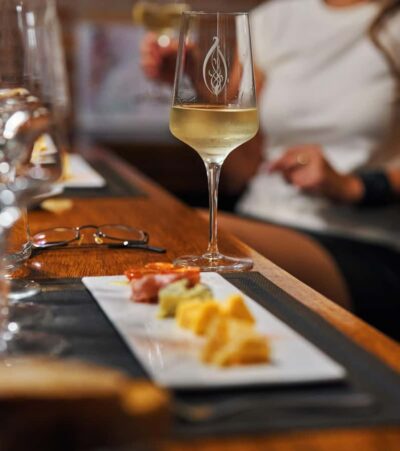
Browse the lists this tour appears in