
Reviewed · BUENOS AIRES FOOTBALL TOURS
Boca tour: Tango, Soccer, Art and Immigration
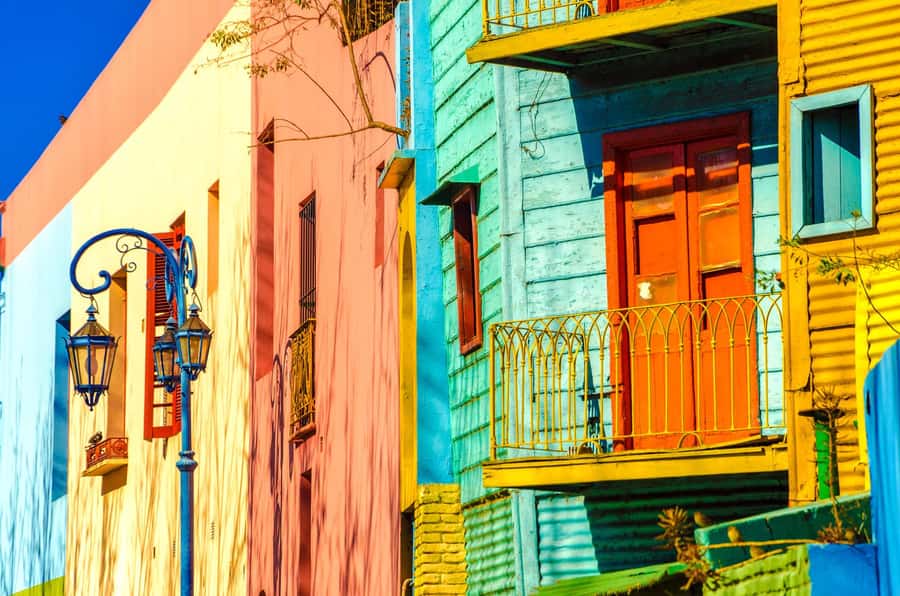
La Boca tells its story in strong colors, old port buildings, Italian immigrant homes, tango roots, and soccer murals. This 150-minute walking tour gives you the useful local context that can be hard to find when you simply wander Caminito on your own. I like the visit to an old conventillo and the chance to see La Bombonera, Boca Juniors’ famous stadium, from the heart of the neighborhood.
I also like that the guide meets you in central Buenos Aires and takes the public bus with you, rather than leaving you to work out the route. Guide Juliette has been praised for making the walk clear, friendly, and safe. The main drawback is that the stadium admission is not included, and the tour involves a good deal of walking over uneven city streets.
Key points about the La Boca walk
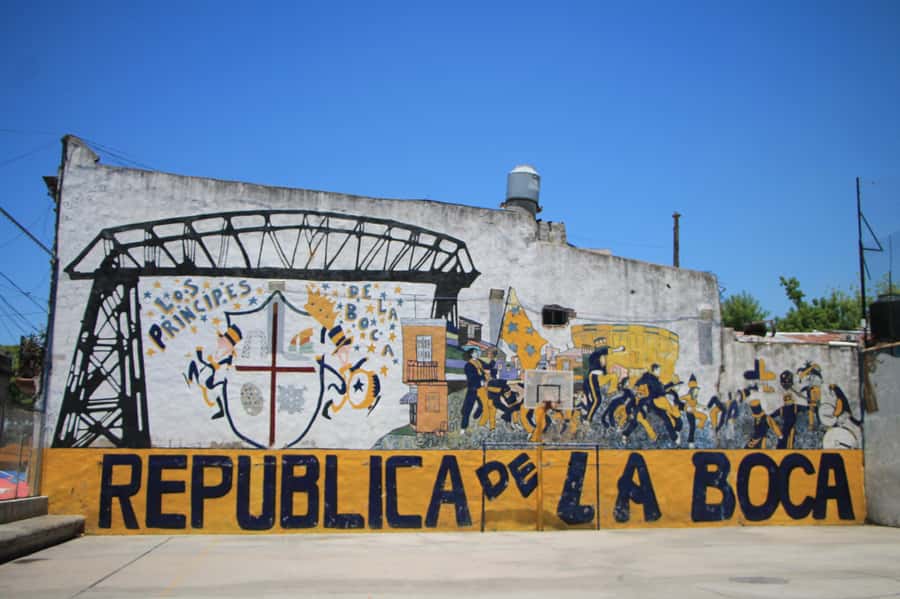
- Caminito gives you the postcard La Boca: Expect painted buildings, street art, murals, and a lively pedestrian street.
- The conventillo visit adds context: You learn how immigrants lived in shared houses near the old port.
- The public bus is part of the local experience: Your guide helps you reach the neighborhood from the meeting point.
- La Bombonera brings Argentine soccer into focus: The stadium is an important stop, but entry fees are extra.
- Tango and immigration are linked: The tour explains how different communities helped shape La Boca’s music and identity.
- The small-group format matters: You have more room to ask questions and follow the guide’s explanations.
Why La Boca needs more than a quick photo stop
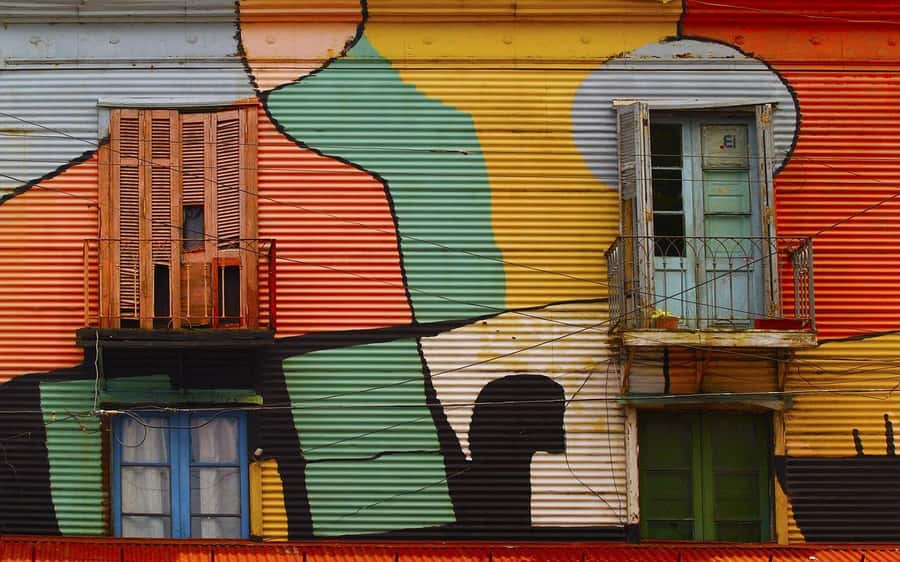
Many people know La Boca for Caminito’s bright facades and Boca Juniors’ blue and yellow colors. Those sights are worth seeing, but the neighborhood makes more sense when you know how the port, immigration, shared housing, tango, and soccer fit together.
This tour begins at Venezuela 649, Viajero Hostel, at 11 am on Tuesdays and Fridays. From there, you travel by public bus to La Boca with your guide. The bus ticket is not included, so keep some money ready for that short part of the trip.
I like this start because it turns the transfer into part of the outing. You are not simply dropped beside the tourist sights. Your guide accompanies you from the meeting point, helping you get oriented before the walking begins. One of the strongest practical points from the feedback is the sense of safety and care provided by Juliette, along with clear explanations and an easygoing manner.
The tour lasts 150 minutes overall. The included walking portion is described as two hours, so you should expect roughly two and a half hours from meeting up to the finish, including the transfer and stops. It is not a rushed dash through three photo opportunities. Still, the schedule is compact enough to fit well into a morning in Buenos Aires.
More football tours in Buenos Aires:
- Buenos Aires: Tickets to Boca Juniors Museum & Stadium
★ 4.5 · 581 reviews - Soccer Match in Buenos Aires with Transfers and Local Guide
★ 5.0 · 103 reviews - Buenos Aires: Boca Juniors and River Plate Football Tour
★ 4.3 · 82 reviews
The old port and La Boca’s immigrant beginnings
Your first look at La Boca centers on the old port and the entrance to Caminito. The port matters because it helps explain why the area became a home for immigrants, including Italians. The guide connects this movement of people with the neighborhood’s mixed cultural identity and the early development of tango.
You will hear about the different communities that shaped La Boca rather than getting only a list of buildings and dates. That makes the painted streets more meaningful. The colors are not the whole story. They are part of a working-class neighborhood identity tied to the port, shared housing, music, and football.
I find this historical framing especially useful because La Boca can seem like a small outdoor stage designed for photographs. A guide can show you the difference between the famous visitor route and the larger story behind it. You learn why the neighborhood has such a distinct character and why tango and soccer remain so closely tied to its public image.
The tour also includes Plaza República de La Boca. This gives you another point of reference beyond the narrow Caminito street. As you walk, keep your camera ready, but also listen for the connections between the art on the walls and the football culture around you.
Inside a conventillo, where immigrant families lived
One of the more unusual parts of the outing is the visit to a conventillo. These were shared houses where immigrants stayed, often with several households living in the same building. Seeing one helps you picture the crowded, communal setting behind the neighborhood’s immigrant story.
This stop adds something a normal street walk cannot. Painted walls and tango references can tell you what La Boca wants visitors to notice today. A conventillo gives you a better sense of how people actually lived in the area.
The spelling of this word sometimes appears as conventillo or convetillo, but the idea is the same. It refers to the shared immigrant housing that formed an important part of La Boca’s past. Your guide explains the setting and its place in the neighborhood’s development.
I would pay close attention here, since this is the sort of stop that can be easy to overlook when exploring independently. It is also a reminder that La Boca is more than a collection of colorful façades. The neighborhood’s identity grew from ordinary homes, port work, migration, and close contact among different groups.
Caminito’s painted facades and street art
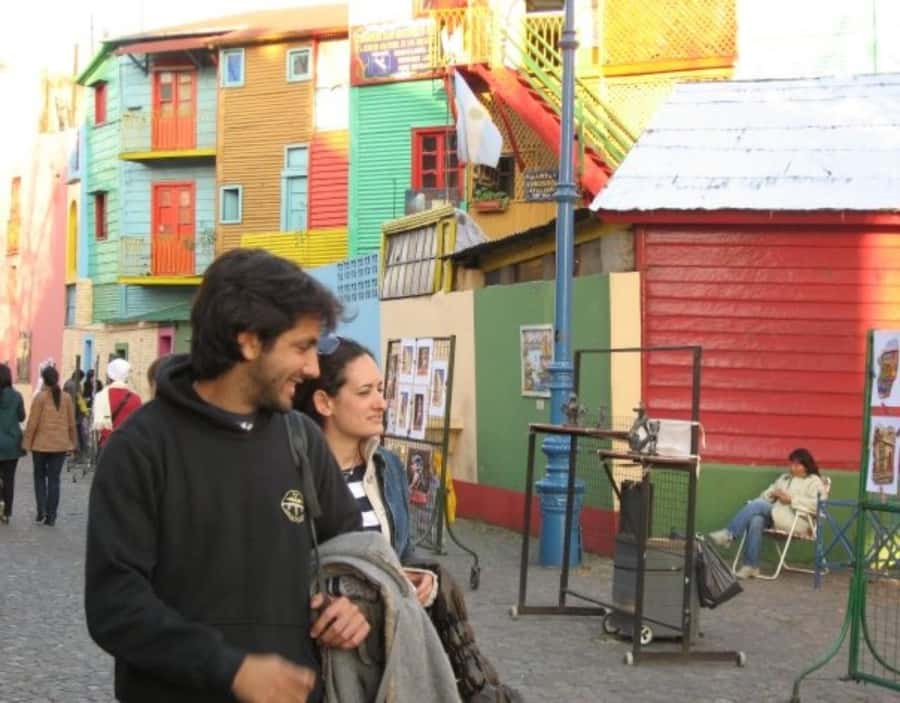
From the conventillo, you continue to Caminito, the pedestrian street that made La Boca famous. Expect painted buildings, murals, football graffiti, and a lively street scene. This is the most immediately photogenic part of the walk, and you will have plenty of chances to take pictures.
Caminito has a theatrical quality, with strong colors and public art everywhere you look. That energy is part of its appeal, but it can also make the area feel more arranged for visitors than the quieter parts of Buenos Aires. The guide helps you place the street in context rather than treating it as the entire neighborhood.
I like having a local guide here because the visual details can otherwise blur together. You might notice a football mural, a tango reference, or a painted wall without knowing how it fits into La Boca’s identity. The walk gives you a way to read the neighborhood instead of simply collecting photos.
Bring a camera, but do not let it take over the whole visit. The route is short enough that you can stop for pictures while still following the explanation. Comfortable shoes matter more than smart clothing. You will be walking for much of the tour, and the route is not suitable for wheelchair users.
Same city, an entirely different evening:
- Buenos Aires Hop-On Hop-Off Bus, Free Walking Tours & Discounts
★ 4.5 · 2,218 reviews - Buenos Aires: Piazzolla Tango Show with Optional Dinner
★ 4.4 · 2,122 reviews - Buenos Aires: City Highlights Guided Tour with Transfer
★ 4.7 · 1,946 reviews - Buenos Aires: Hop-On Hop-Off City Bus Tour
★ 4.2 · 1,855 reviews
Tango’s roots in a port neighborhood
The tour explains the origins of tango and its connection to La Boca. The music is presented as part of the neighborhood’s mixture of cultures, shaped by the people who arrived through the port and lived close together.
You should not expect a full tango performance or a music lesson. This is a cultural walking tour, not a dedicated evening tango show. The value is in understanding why tango belongs in the same conversation as immigration, shared housing, port life, and the streets of La Boca.
That context can change the way you experience Buenos Aires later. After this walk, tango references around the city have more meaning because you have heard about the conditions and communities that helped form it. If tango is one of your main reasons for visiting Argentina, this stop gives you a useful neighborhood-based introduction, though you will need a separate activity for a performance.
The guide’s style matters here. Feedback about Juliette describes explanations that are interactive, clear, and informative without becoming stiff. That is a good match for a short history walk, where a friendly conversation often works better than a long lecture.
La Bombonera and Argentina’s football heart
The route continues to Boca Juniors stadium, known as La Bombonera. The stadium is one of the defining symbols of La Boca, and even people who do not follow football will recognize that it carries serious local importance.
You will experience the area around the legendary venue and learn about its place in Argentine football culture. The tour does not include stadium admission, so do not assume that the walking route gives you access to the interior or museum. If you want a full stadium visit, check the separate entry options and budget for that extra cost.
That limitation is worth knowing before you book. The stadium stop is valuable for atmosphere and context, but it is not a ticketed match-day experience. The tour is also not promising a football game. Instead, it shows you how Boca Juniors shapes the neighborhood’s public art, colors, and sense of identity.
The football graffiti and street art are part of this section of the walk. They help connect the stadium with the surrounding streets. If you are a committed football fan, you may wish the tour included admission. If you mainly want to understand why Boca Juniors matters so much in Buenos Aires, the exterior visit and guide’s explanation may be enough.
Ending beside the port with food nearby
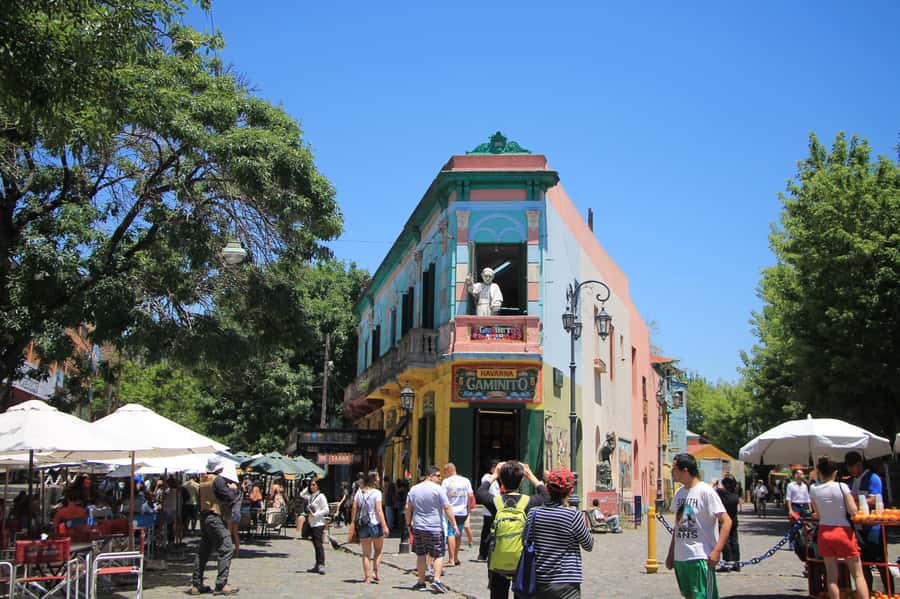
The walk finishes near the port, in front of a street with various food options. Meals and drinks are not included, which keeps the $50 price focused on the guide and walking experience rather than a fixed restaurant stop.
I see this as a sensible ending. You can decide for yourself if you want lunch, a drink, or simply to continue exploring. The tour does not force you into a meal at a particular place, and you finish in an area with choices.
You should plan your own food budget, especially since the meeting time is 11 am and the tour runs into the lunch period. Bring water from the start. Buenos Aires walking routes can feel tiring when you are stopping often, taking photographs, and listening closely.
What the $50 price includes
At $50 per person, the main purchase is a two-hour local guide for a limited group, plus the walk through La Boca and Caminito. The guide is the part that gives the activity its value. Without that context, you can still see the colorful streets, but you may miss the links between the old port, Italian immigration, tango, the conventillos, and Boca Juniors.
The price does not include the public bus ticket, meals, drinks, or admission to La Bombonera. These exclusions are not minor details, so add them to your budget before booking. The bus cost should be modest, but the stadium cost depends on the available admission option.
For me, the tour offers good value if you want a focused introduction to La Boca and prefer a small group to wandering alone. It is less attractive if your only goal is a stadium interior visit, a football match, or a full meal. In those cases, you will need to arrange extra activities.
The limited-group format is useful. You can ask about tango, immigration, football, or the street art without trying to catch a guide’s voice in a large crowd. The four top ratings also point to a consistent strength in the guiding, especially the clear and friendly approach.
Language, walking, and practical comfort
The tour runs in English, Spanish, and Portuguese. Check the language option when booking so you are matched with the guide who can explain the neighborhood most clearly for you.
Wear comfortable shoes. The walk includes the old port, a conventillo, Caminito, plaza areas, street art, and the stadium district. You will be on foot for a large part of the experience, and the route is not suitable for wheelchair users.
Bring water and a camera. Smoking is not allowed during the activity. The age information says the experience is not suitable for people over 95, so consider the amount of walking and the city-street conditions when deciding if it is right for your group.
Cancellation is flexible if your plans change: you can cancel up to 24 hours in advance for a full refund. You can also reserve now and pay later, which helps if you are still arranging your Buenos Aires schedule.
Who should book this La Boca experience?
I would choose this tour if you want your first visit to La Boca to have a clear story. It suits you especially well if you enjoy walking, street art, local neighborhoods, immigrant history, tango, or football.
It is also a good choice if you are nervous about finding your way to La Boca. Meeting at Viajero Hostel and riding the bus with the guide makes the morning simpler. The direct safety comments and praise for Juliette’s calm manner are useful if you prefer some support in an unfamiliar part of the city.
You may want something else if you dislike walking, need wheelchair access, or want a long stadium visit. The tour gives you a guided look at La Bombonera, but stadium admission is extra. It also offers historical and cultural explanation rather than a tango show or football match.
Should you book the Tango, Soccer, Art and Immigration tour?
Book it if you want La Boca explained rather than merely photographed. The combination of a conventillo, Caminito, tango origins, street art, the old port, and La Bombonera makes the tour broader than a simple colorful-street stroll.
The strongest reason to go is the guide. Juliette has been singled out for making the walk informative, enjoyable, and safe, while another guide was praised for clear, interactive explanations. Keep your expectations practical: the bus ticket, food, drinks, and stadium entry cost extra, and you will walk a lot.
For $50, I think it is a sensible introduction to one of Buenos Aires’ most distinctive neighborhoods, especially for a first visit. Bring water, wear good shoes, and leave room in your plan for lunch near the port afterward.
FAQ
Where does the tour meet?
Meet at Venezuela 649, at Viajero Hostel, every Tuesday and Friday at 11 am.
How long does the activity last?
The stated duration is 150 minutes. The included guided walking portion is described as two hours.
Which languages are available?
The live guide can conduct the tour in English, Spanish, or Portuguese.
Is the public bus ride included?
No. The tour uses a public bus to reach La Boca, but the bus ticket is not included.
Is admission to La Bombonera included?
No. The entrance fee to Boca Juniors stadium is not included.
Are food and drinks included?
No. Meals and drinks are not included. The tour ends near a street with various food options.
What should I bring?
Bring comfortable shoes, water, and a camera. You will be walking for much of the tour.
Is the tour wheelchair accessible?
No. The experience is not suitable for wheelchair users.
Can I cancel for a refund?
Yes. You can cancel up to 24 hours in advance for a full refund. You can also reserve now and pay later.
Just added around Buenos Aires
- Tango Show at El Querandi with optional Dinner★ 4.2 · 3 reviews
- Wine Tasting in Buenos Aires★ 4.2 · 4 reviews
- Walking Tour: Buenos Aires bookstores★ 4.3 · 12 reviews
- Private Underground Tango Immersion★ 5.0 · 31 reviews
- Velez Sarsfield Football Match★ 5.0 · 3 reviews
- Unique Tigre and Delta Private Day Cruise Navegation★ 5.0 · 3 reviews
- Transfers from or to the airport In Argentina Your Best Choice★ 5.0 · 28 reviews
- Tour Buenos Aires in one day on Electric Scooters★ 5.0 · 33 reviews
Buenos Aires Football Tours, compared.
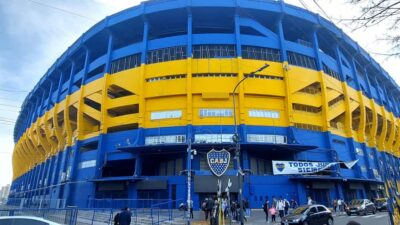

Soccer Match in Buenos Aires with Transfers and Local Guide
Read our review →

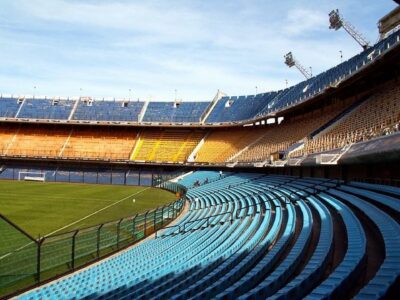
La Boca, a collective creation: Port, immigrants, arts and football
Read our review →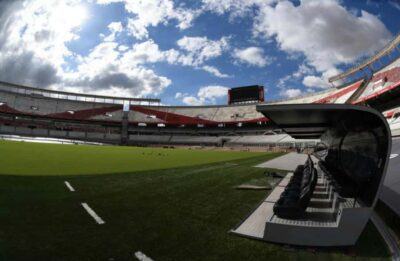
River Plate Monumental Stadium and Museum Guided Tour
Read our review →
Boca Juniors Game at La Bombonera with Local & Transport
Read our review →Browse the lists this tour appears in