
Reviewed · BUENOS AIRES FOOTBALL TOURS
River Plate Stadium and Museum Guided Tour
River Plate’s stadium is more than a football ground. At a capacity of about 86,000, it is the largest stadium in the Americas and a place tied to some of Argentina’s biggest sporting moments, including the 1978 World Cup final. I like the private guide and the chance to see the tunnel and visitors’ changing room, not just a museum full of trophies.
I also like the skip-the-line entry, especially if you want a focused visit in Buenos Aires rather than a long wait. The main caution is that access to the stadium, tunnel, and changing rooms can change because of matches, concerts, training, repairs, or cleaning. One booking also reported receiving a stadium guide rather than the promised private service and missing the snack, so it is worth confirming the arrangements before you go.
Key points to know before you book
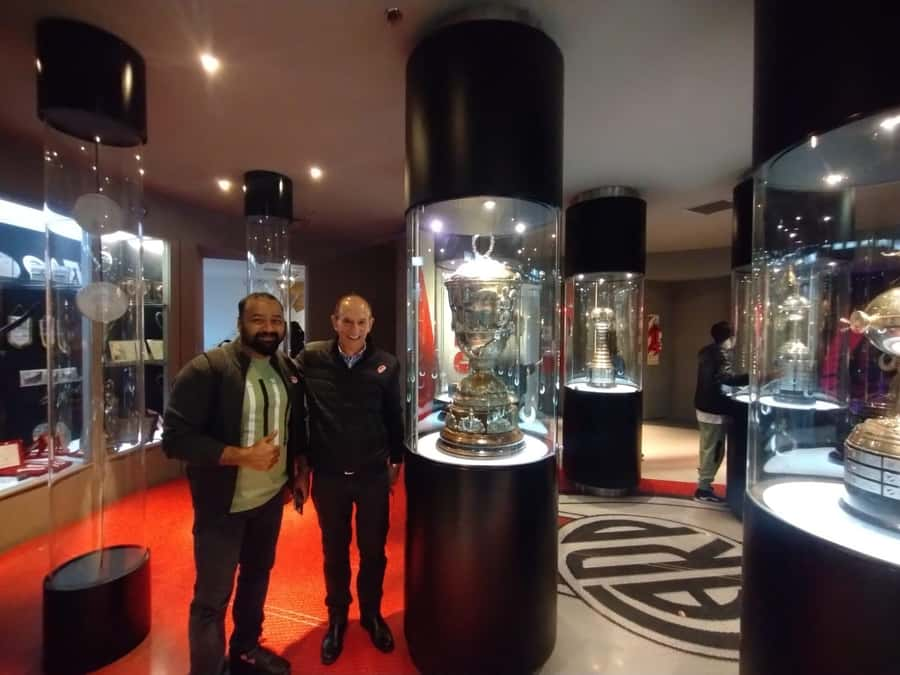
- A giant football setting: River Plate’s stadium holds around 86,000 people and is the largest in the Americas.
- A private visit: Your guide speaks English, Portuguese, or Spanish, and the group is private.
- Several areas are included: You get museum entry, the stadium, one tunnel, and the visitors’ changing room.
- A useful football history lesson: The tour covers River Plate’s beginnings, major titles, and connection with Argentina’s 1978 World Cup triumph.
- Allow two to three hours: That gives you time for the museum and stadium areas without rushing.
- Check the day’s access: Match days, concerts, training, renovations, or cleaning can change what you see.
Why River Plate’s stadium matters
River Plate is one of Argentina’s five major football clubs, along with its famous rival Boca Juniors. The rivalry is a big part of Argentine football culture, but River’s story also works well on its own. The club has more than a century of history and supporters across Argentina and beyond.
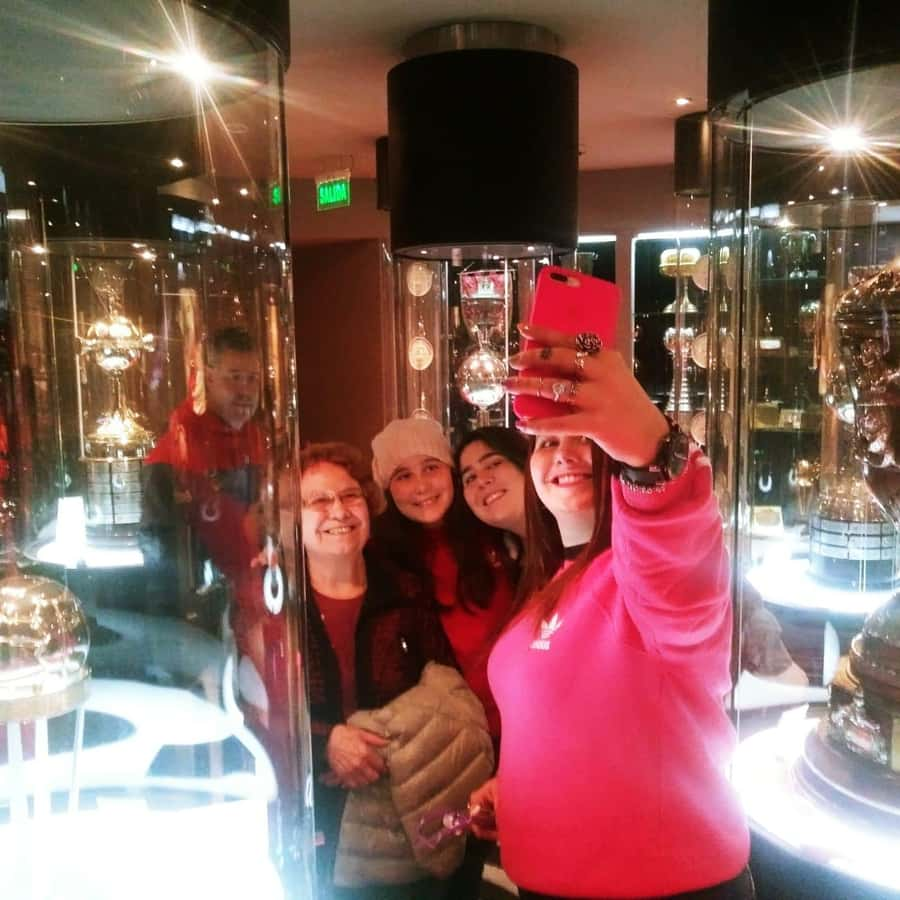
The club is known to its fans as El más grande, or the greatest. That nickname is not a modest one, but the trophy room gives it some weight. River Plate has won more than 70 titles, including four Copa Libertadores trophies, three Recopa Sudamericana titles, one Interamericana, one Supercopa Sudamericana, one Copa Sudamericana, and a Suruga Bank.
You do not need to know the difference between every South American competition to enjoy the visit. A good guide can turn a list of cups into a story about Argentine football, club identity, and the importance of River Plate to its supporters.
The stadium also has national significance. Argentina won the 1978 World Cup on home soil, and this venue witnessed that triumph. Even if you arrive more interested in architecture than football, that connection gives the stadium a clear place in the country’s modern story.
More attraction tickets in Buenos Aires:
- Buenos Aires: Tickets to Boca Juniors Museum & Stadium
★ 4.5 · 581 reviews - Teatro Astor Piazzolla Skip-the-Line Ticket
★ 4.5 · 367 reviews - Teatro Colon Guided Tour Admission Ticket
★ 4.0 · 208 reviews
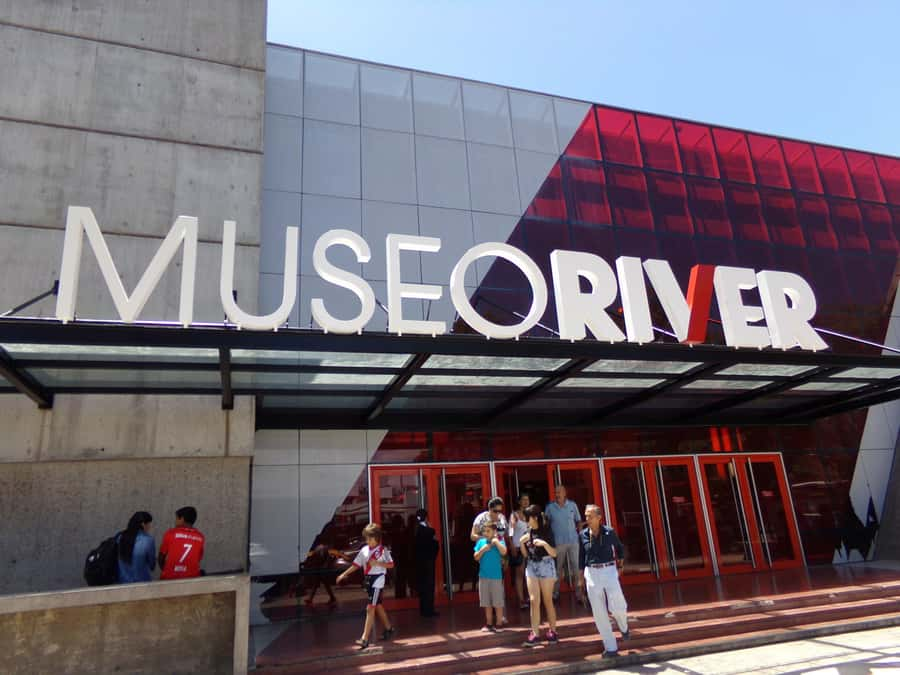
Starting at the River Plate Museum entrance
The meeting point is the main entrance of the River Plate Museum. You do not get hotel transportation with this experience, so plan your route to Núñez separately. That is important when you compare the $117 price with a standard museum ticket or a basic stadium visit.
The separate entrance for skip-the-line access is useful, but it does not remove the need to arrive at the correct place. Keep your booking details ready and allow enough time to find the museum entrance. The tour lasts two to three hours, and the starting times vary according to availability.
You receive a private group rather than joining a large shared party. That makes it easier to ask questions, pause for explanations, or focus on the parts of River Plate that interest you most. The guide languages are English, Portuguese, and Spanish.
Juan is one guide specifically praised for making the tour enjoyable. Since guide assignments can change, you should not assume Juan will lead your visit. Still, the strong response to his work suggests that the guide can make a real difference, especially if you are not already familiar with Argentine football.
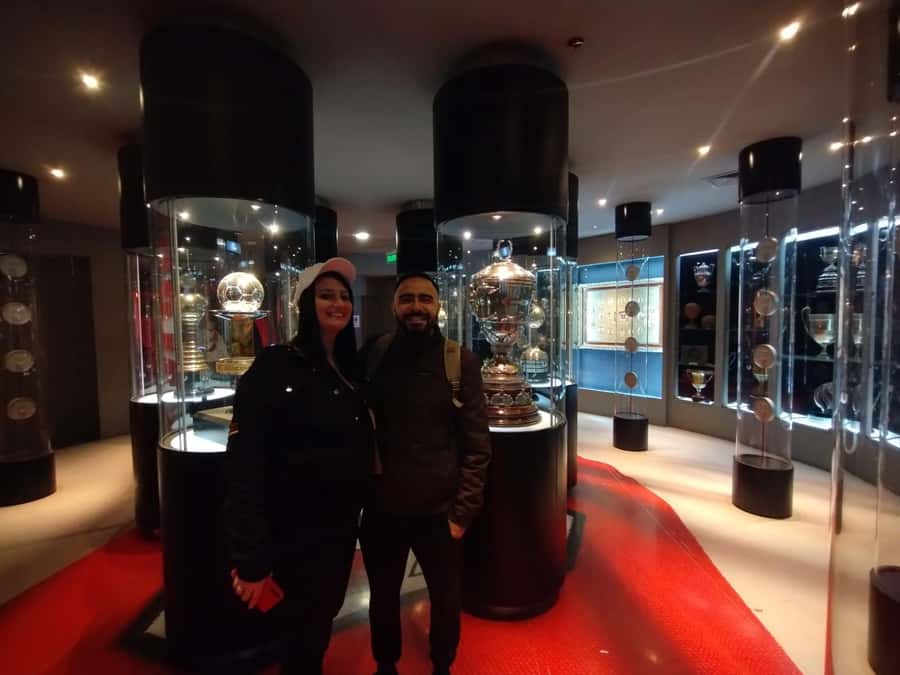
The museum: trophies, club identity, and a century of football
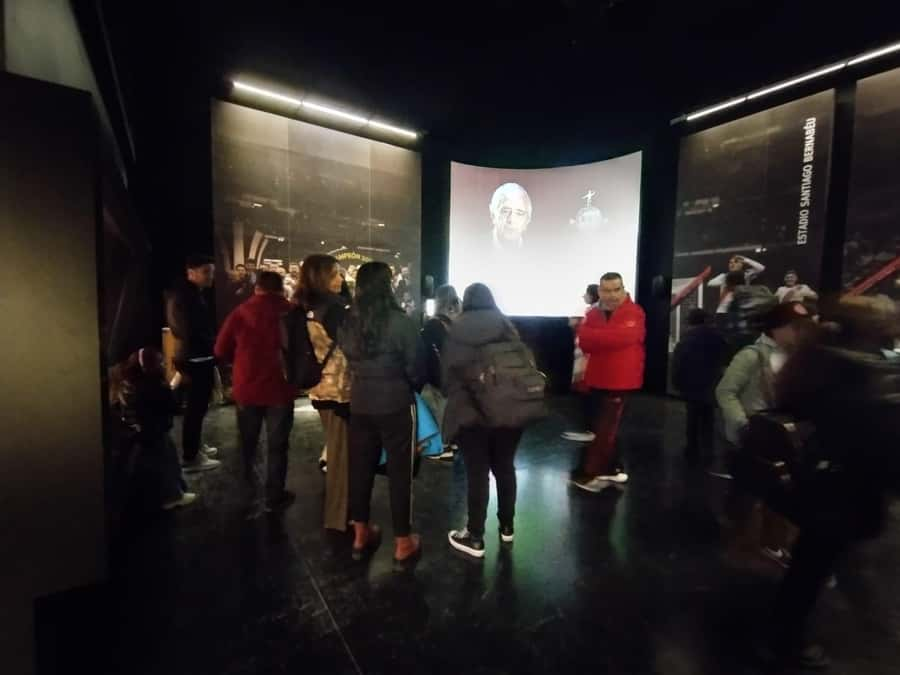
The museum is the natural starting point for understanding the stadium. Without it, you see a large concrete venue. With it, you get the people, titles, and turning points behind River Plate’s reputation.
Expect the museum to provide the historical frame for the stadium visit. The focus is River Plate from its early years through the present day, including the club’s rise from modest beginnings and its long list of achievements.
The trophy collection is the main draw for football fans. Four Copa Libertadores victories are particularly important, since the competition is the top club tournament in South America. The other international titles help show that River’s success extends beyond Argentina’s domestic competitions.
I would pay attention to how the guide explains the club’s rivalry with Boca Juniors. The two clubs are often discussed together, but River Plate’s museum gives you a chance to see the club’s own traditions and achievements rather than treating it only as the other side of the rivalry.
The museum also helps visitors who do not follow football closely. You can use the displays to understand why a club can matter so much in Argentina. Football here is tied to family, neighborhood, national pride, and memory. The best part of a guided visit is having someone explain the meaning behind the objects instead of leaving you to read every label alone.
Into the stadium and the 86,000-seat scale
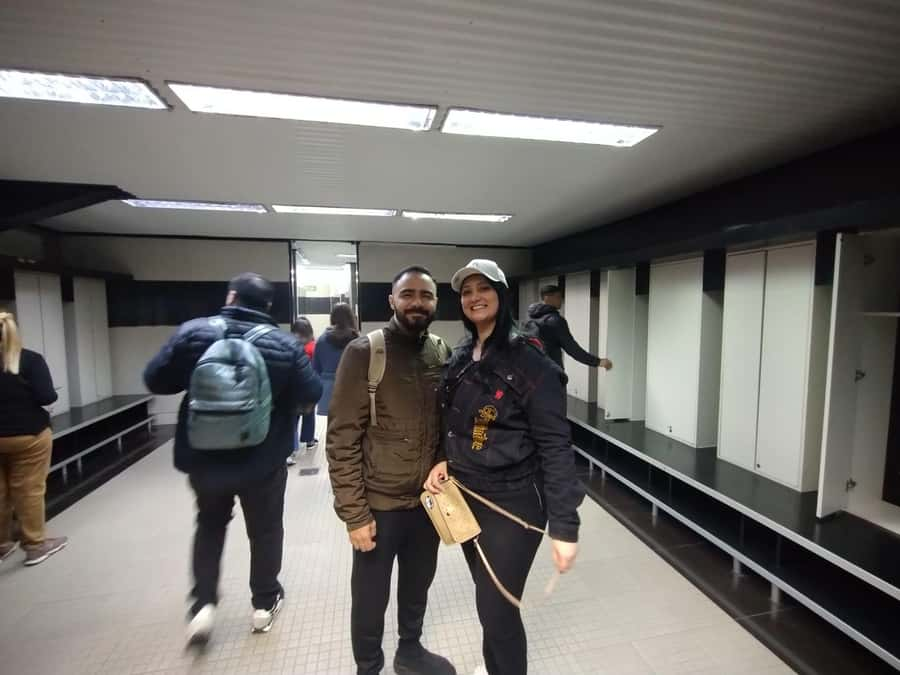
The move from the museum into the stadium changes the experience. A display case can tell you that River Plate is one of Argentina’s largest clubs. Looking into a venue built for roughly 86,000 spectators gives you a better sense of its scale.
The stadium is located in the Núñez neighborhood and is described as the largest in the American continent by capacity. That claim is one reason this tour works even for people who are only casual football fans. The building itself is the attraction.
Your guide can connect the physical spaces with River Plate’s victories and Argentina’s 1978 World Cup success. The precise route can vary, but the included visit covers the stadium, one tunnel, and the visitors’ changing room.
Do not expect every part of the venue to be available on every date. Matches, concerts, team training, renovations, refurbishment, and cleaning can all affect access. This is the most important limitation in the experience, since the stadium areas are likely to be the part you are most excited to see.
If your main goal is a particular room or route, confirm access as close to your visit as possible. The advertised inclusions tell you what the tour normally covers, but the day’s schedule has priority.
More football tours in Buenos Aires:
- Soccer Match in Buenos Aires with Transfers and Local Guide
★ 5.0 · 103 reviews - Buenos Aires: Boca Juniors and River Plate Football Tour
★ 4.3 · 82 reviews - La Boca, a collective creation: Port, immigrants, arts and football
★ 5.0 · 58 reviews - Buenos Aires: Tickets to Soccer Matches
★ 4.8 · 58 reviews
The tunnel and visitors’ changing room
The tunnel offers a small but meaningful change in perspective. In the museum, you see the club’s public story. In the tunnel, you are closer to the route used by players and teams before entering the field.
The tour includes one tunnel and the visitors’ changing room. That wording matters. It does not promise access to every changing area or behind-the-scenes room, so keep your expectations specific.
For a football supporter, these areas can be more memorable than the trophy displays. They bring the match-day routine closer to eye level. You can picture the movement from preparation to the pitch, even if no match is taking place during your visit.
For a general visitor, the guide’s explanation will be especially useful. Ask about how the tunnel, changing rooms, and stadium connect to the club’s match-day life. Since the group is private, you have a better chance of getting an answer suited to your interests.
The access warning remains important here. A concert setup, team activity, cleaning, or construction work can limit the route. If one of these areas is closed, the tour may still continue with the museum and other stadium spaces, but the visit will not be identical to the ideal route.
What the private guide adds
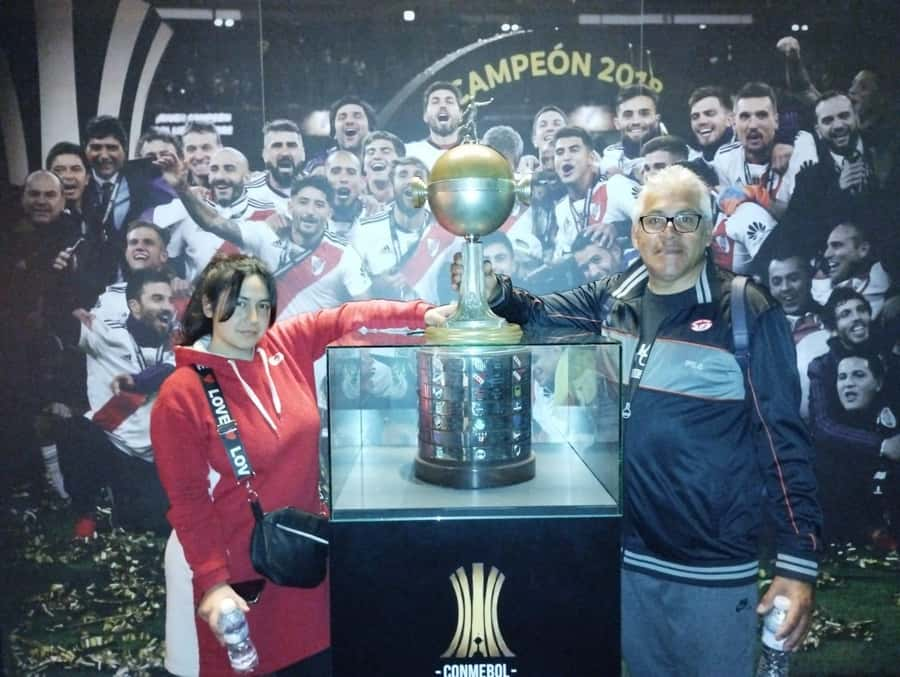
The guide is the reason to choose this option instead of visiting the museum alone. You are paying for context, translation, and a more personal pace as much as for admission.
A private guide can explain River Plate’s titles without assuming you know South American football. You can ask why the Copa Libertadores matters, how River compares with Boca Juniors, or why the 1978 World Cup is important to Argentina.
The available languages are English, Portuguese, and Spanish. That makes the experience practical for a wide range of visitors. The private format also helps families or couples who prefer not to wait for a large group to move from one display to the next.
The feedback is not perfectly uniform. Most of the available comments are positive, including praise for the guide, the overall experience, and how much visitors learned. One complaint said the booked private service was not delivered and that the visitor instead had a stadium guide, with no snack provided. I would treat that as a warning to verify the guide and inclusions at the meeting point, not as proof that every booking has the same problem.
The snack and souvenir
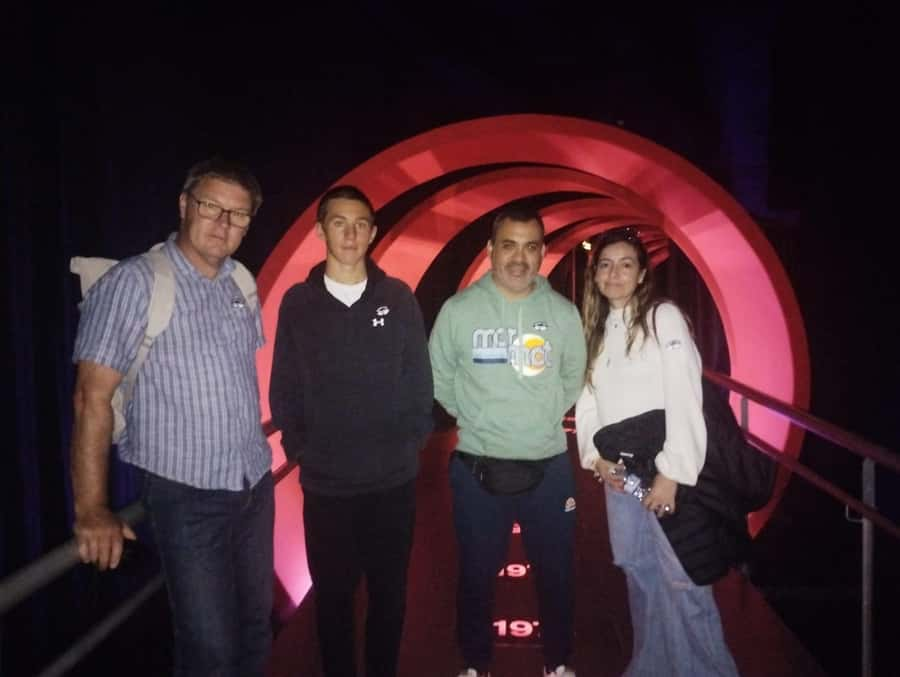
A snack and souvenir are included. These are small additions, but they help explain part of the price. Still, I would not book this tour mainly for the food or gift.
The snack is a minor convenience during a two to three-hour visit. If you have dietary needs, the available information does not specify the type of snack or whether alternatives are offered, so ask before booking.
The souvenir can be a pleasant reminder of the club, particularly if you collect football memorabilia. The exact item is not specified, so do not assume it will be a particular shirt, scarf, badge, or signed product.
One booking reported that the snack was not received. That makes it sensible to check the inclusions before leaving the meeting point. If the snack matters to you, mention it to the guide early in the tour rather than waiting until the end.
Is $117 a fair price?
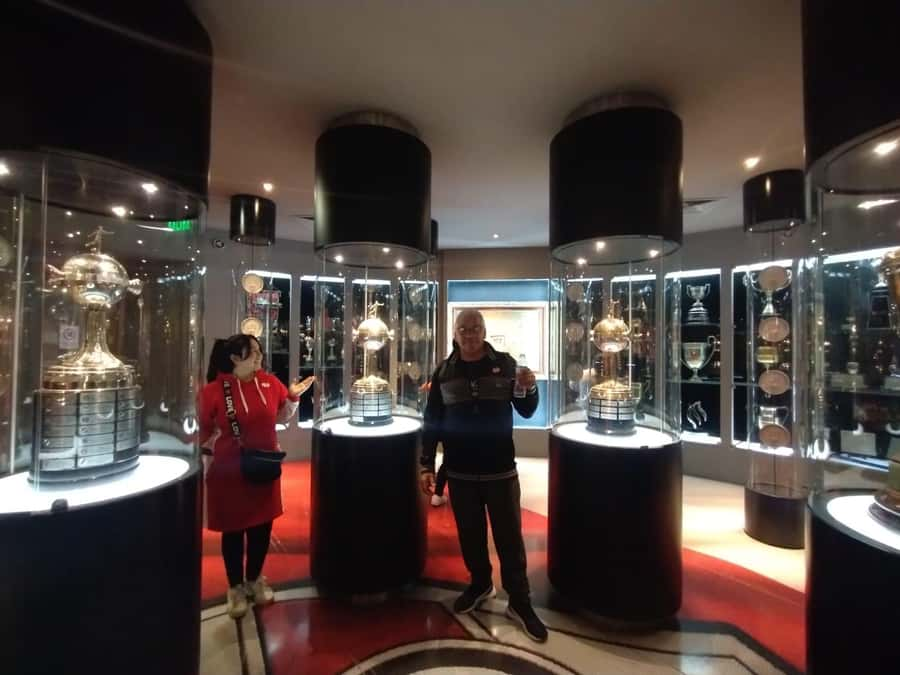
At $117 per person, this is not the cheapest way to see River Plate’s museum. The value depends on how much you want the private format and guided explanation.
The price makes more sense if you want:
- A private group rather than a shared tour
- Skip-the-line entry
- A guide in English, Portuguese, or Spanish
- A structured visit lasting two to three hours
- Access to the stadium, one tunnel, and visitors’ changing room
- A snack and souvenir
It makes less sense if you mainly want to look around the museum independently or if you are comfortable arranging a standard admission on your own. The lack of transfers also matters. You must make your own way to the museum entrance, so the price does not include door-to-door convenience.
For a serious River Plate supporter, the private guide and stadium access may justify the cost. For a casual visitor, I would compare the price with other Buenos Aires football experiences before committing. The strongest value here is personal attention, not the snack or souvenir.
Timing, clothing, and practical preparation
Wear comfortable shoes. You may spend a good part of the two to three hours walking through museum and stadium areas, and comfortable footwear is more useful than dressing for photographs.
Bring your passport or ID card. The activity information lists both passport and passport or ID card among the items to bring, so carry an accepted form of identification.
Buenos Aires can be sunny, and the preparation list recommends sunglasses, a sun hat, and sunscreen. Biodegradable sunscreen is also requested. These details matter if part of the route takes place in exposed stadium areas.
Alcohol and drugs are not allowed. Keep your visit simple, arrive with identification, and avoid bringing anything prohibited.
The tour is wheelchair accessible, which makes it a practical option for many visitors with mobility needs. Because stadium access can change for operational reasons, it is still wise to confirm the current route if you need specific access arrangements.
Who will enjoy this River Plate tour?
I would recommend it first to River Plate supporters, football fans, and anyone interested in how sport shapes Argentine identity. The trophy collection, World Cup connection, and stadium scale give the visit enough substance for more than a quick photo stop.
It also suits visitors who want a private experience in their preferred language. Families and small groups can ask questions without trying to keep pace with a large party.
You do not need to be an expert. If you know little about River Plate, the guide can provide the framework. The only issue is that your enjoyment will depend partly on how much stadium access is available on the day.
I would be more cautious if you are paying $117 mainly for a snack, souvenir, or guaranteed entry into every stadium area. Those features are included in the normal plan, but access may change and one booking reported missing the snack.
Should you book it?
Book this tour if you want a private, guided look at one of Argentina’s major football institutions and value the chance to visit the museum, stadium, tunnel, and visitors’ changing room in one outing. The guide, skip-the-line entry, and two to three-hour format make it a tidy choice for a Buenos Aires schedule.
Before paying, confirm the meeting point, guide language, stadium access, and snack. If those details are clear, the tour should suit football fans and curious first-time visitors alike. If you only want a quick look at the museum, the $117 price may be more than you need.
FAQ
Where does the River Plate stadium tour meet?
The meeting point is the main entrance of the River Plate Museum.
How long does the tour last?
The tour lasts approximately two to three hours.
What is included in the admission?
The booking includes skip-the-line entry, tickets, museum admission, the stadium, one tunnel, the visitors’ changing room, a snack, and a souvenir.
Is transportation to the museum included?
No. Transfers to and from the museum are not included.
What languages are available for the guide?
The guide is available in English, Portuguese, or Spanish.
Is this a private tour?
Yes. The activity is offered for a private group.
Can wheelchair users join the tour?
Yes. The activity is listed as wheelchair accessible.
Can the stadium route change?
Yes. Stadium, tunnel, and changing-room access can change because of matches, concerts, training, renovations, refurbishment, or cleaning.
What identification should I bring?
Bring your passport or an accepted passport or ID card, along with comfortable shoes, sunglasses, a sun hat, and sunscreen.
Just added around Buenos Aires
- Tango Show at El Querandi with optional Dinner★ 4.2 · 3 reviews
- Wine Tasting in Buenos Aires★ 4.2 · 4 reviews
- Walking Tour: Buenos Aires bookstores★ 4.3 · 12 reviews
- Private Underground Tango Immersion★ 5.0 · 31 reviews
- Velez Sarsfield Football Match★ 5.0 · 3 reviews
- Unique Tigre and Delta Private Day Cruise Navegation★ 5.0 · 3 reviews
- Transfers from or to the airport In Argentina Your Best Choice★ 5.0 · 28 reviews
- Tour Buenos Aires in one day on Electric Scooters★ 5.0 · 33 reviews
Buenos Aires Football Tours, compared.
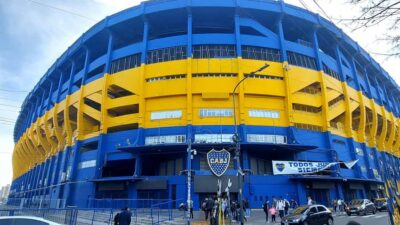
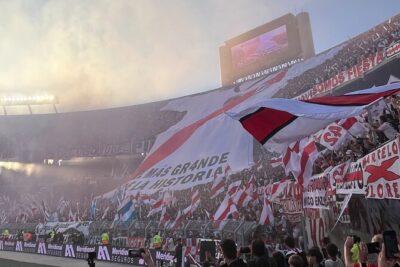
Soccer Match in Buenos Aires with Transfers and Local Guide
Read our review →
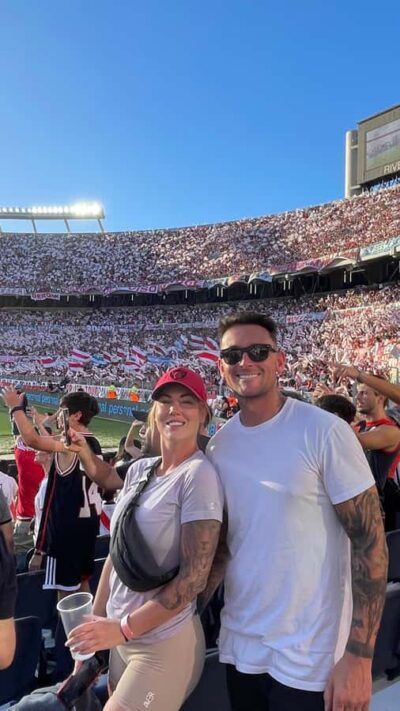
La Boca, a collective creation: Port, immigrants, arts and football
Read our review →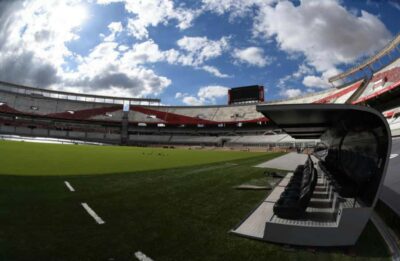
River Plate Monumental Stadium and Museum Guided Tour
Read our review →
Boca Juniors Game at La Bombonera with Local & Transport
Read our review →Browse the lists this tour appears in