
Reviewed · ARGENTINE WINE TASTINGS IN BUENOS AIRES
Discover Argentine Wines Paired with Delicious Tapas
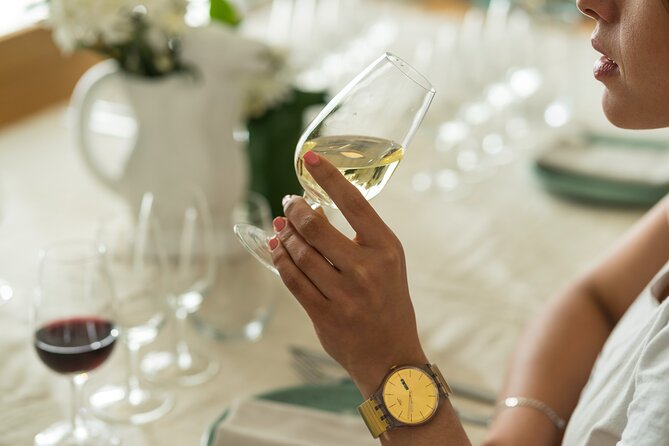
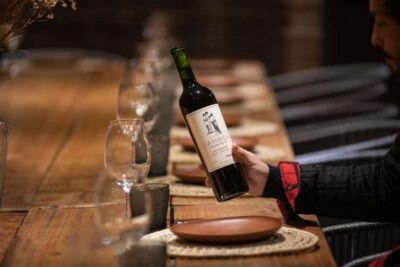
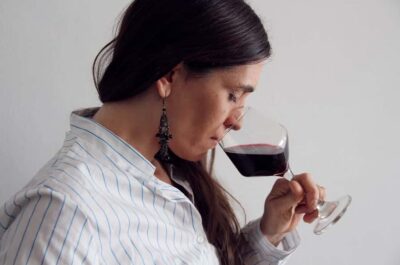
Argentina’s wine country is much bigger and more varied than a Malbec tasting in Mendoza. This two-hour experience introduces you to four wines from different regions, beginning in the dry north, moving south to Patagonia, and then returning north to Mendoza. Each glass comes with a small homemade tapa prepared by Aby.
I like the clear regional story and the warm, home-based setting with hosts Bertie and Aby. I also like that the food is treated as part of the lesson, not a bowl of crackers set beside the wine. The main drawback is that two hours passes quickly, so this is a focused introduction rather than a long winery visit or a full meal.
Key points
- Four wines, four Argentine producers: Each wine comes from a different family-run winery and region.
- Tapas made by Aby: Every pour is paired with a freshly prepared regional bite, including well-liked empanada and humita dishes.
- A broader view of Argentine wine: The tasting goes beyond Mendoza and includes the arid north and cool plains of Patagonia.
- Bertie explains the wine and culture: Expect stories about grapes, places, food, and the people behind the bottles.
- Small-group format: The experience accepts no more than 14 people, with an intimate apartment setting in Palermo.
- Bottles are available to buy: You can purchase wines after the tasting if you find a favorite.
Why this tasting is different from a standard Malbec flight
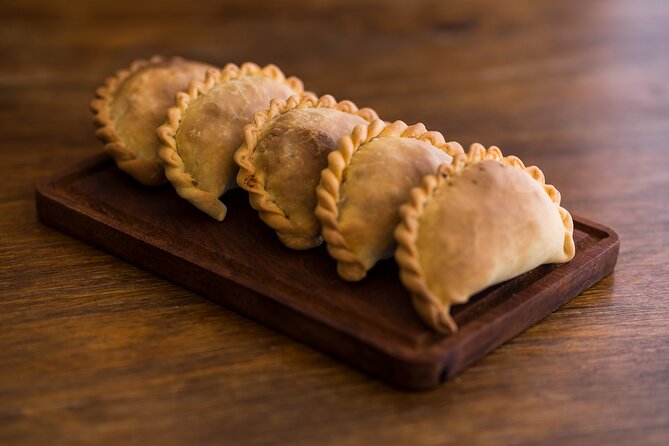
Many visitors arrive in Buenos Aires knowing one thing about Argentine wine: Malbec. That grape matters, of course, but Argentina produces wine across a huge range of climates. This tasting gives you a better first map of the country.
The sequence starts in the arid north, where dry conditions shape the vineyards and the wines. It then moves south toward Patagonia, known here for cooler plains and a different growing environment. The final part turns to Mendoza, Argentina’s most famous wine region.
That route makes the tasting easy to follow. You are not simply handed four unrelated glasses. You are encouraged to connect place, climate, grape, producer, and food. For a visitor with limited wine knowledge, that structure keeps the experience friendly rather than technical.
The wines come from small, family-run producers. This matters because the focus is on character and regional differences, not on a parade of large commercial labels. You taste bottles chosen to show something about where they come from.
The selection is also broader than a typical Mendoza-focused tasting. One wine is Malbec and one is from Mendoza, but the point is not to repeat the country’s best-known style four times. You get a chance to see how varied Argentine wine can be.
More Argentine Wine Tastings in Buenos Aires
- Buenos Aires: Wine Tasting and Lunch at Bodega Gamboa
★ 4.8 · 177 reviews - Premium Argentinian Wines and Malbec Tasting Experience
★ 4.6 · 60 reviews - Buenos Aires: Palacio Barolo Guided Night Tour with Wine
★ 4.4 · 54 reviews
Meeting Bertie and Aby in Palermo
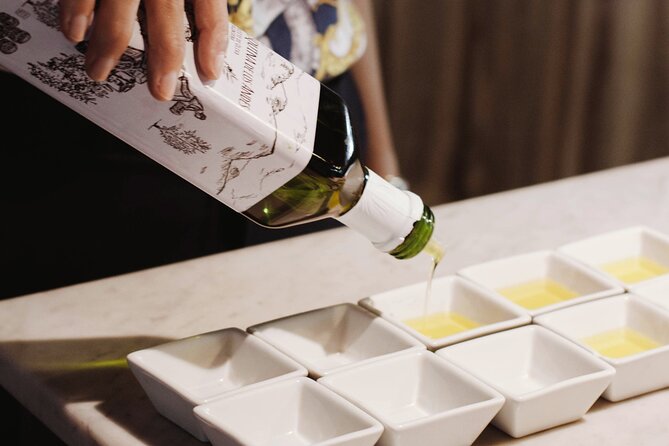
The tasting takes place at Soler 5650 in Buenos Aires, in a home setting associated with Palermo Soho. The setting is described as comfortable and attractive, with a view over the neighborhood. That makes the event feel more like being welcomed into someone’s dining room than sitting through a formal commercial tasting.
Bertie leads the wine side, explaining the producers, regions, and background of each bottle. Aby prepares the food and presents the stories connected with the dishes. Their roles give the afternoon a natural rhythm: taste, eat, ask questions, and move on to the next pairing.
The group limit is 14 people. That is not a private tasting, but it is small enough for questions and conversation. The format also works well for solo visitors, couples, and friends. If you like meeting other people over food, this setting gives you a better chance than a large bus tour or a crowded restaurant table.
You should plan to reach the address carefully. One person had trouble getting inside, so it is sensible to follow the arrival instructions closely and allow a few extra minutes. The location is near public transportation, which helps, though the activity itself does not include hotel pickup.
The north: a first taste of Argentina’s dry country
The opening section takes you to northern Argentina through wine. This is a useful choice because it immediately widens your idea of the country’s vineyards. The north is arid, and that dry environment helps explain why its wines can taste different from bottles made farther south.
You will hear about the region and the small producer behind the wine before tasting. The exact bottle selection can change, so you should not book expecting a particular grape or label. The value comes from the comparison and the explanation.
This is where the food pairing starts to do real work. Rather than tasting wine alone, you try it with a small regional tapa prepared by Aby. The bite gives you something concrete to compare with the wine. It also makes the first pour easier for people who are new to formal tastings.
The portions are tapas, not a full lunch. That distinction matters. You should arrive ready for a substantial tasting experience, but not expecting a multi-course meal. The food is meant to complement each wine and provide a taste of regional cooking.
Patagonia brings a cooler contrast
The tasting then moves south to the cool plains of Patagonia. The change in climate gives the session a clear second chapter. You can compare the style of the Patagonian bottle with the wine from the north and think about how growing conditions influence the glass.
This part is especially useful if you already know a little about Malbec and Mendoza. You are given a chance to see that Argentine wine is not one single style. The contrast between the dry north and cooler Patagonia helps you understand the country through flavor rather than through a map alone.
Bertie also connects the wine to Argentine culture and history. The discussion is not limited to tasting notes. You may learn why certain grapes suit certain places and how family producers build their identity around a region.
The experience stays approachable. You do not need to know how to describe tannins or acidity before you arrive. Questions are welcome, and the hosts explain the wines in a way that works for both beginners and people who already collect bottles.
Same city, an entirely different evening:
- Buenos Aires Hop-On Hop-Off Bus, Free Walking Tours & Discounts
★ 4.5 · 2,218 reviews - Buenos Aires: Piazzolla Tango Show with Optional Dinner
★ 4.4 · 2,122 reviews - Buenos Aires: City Highlights Guided Tour with Transfer
★ 4.7 · 1,946 reviews - Buenos Aires: Hop-On Hop-Off City Bus Tour
★ 4.2 · 1,855 reviews
Mendoza is part of the story, not the whole story
Mendoza is the region most closely linked with Argentine wine, so it would be odd to leave it out. Here, however, Mendoza appears as one part of the tasting rather than the entire subject.
That is one of the strongest reasons to choose this experience over a simple Malbec flight. You still get the famous region, but you can place it beside wines from other parts of the country. The result is a more useful introduction if you are trying to understand Argentine wine as a whole.
You may also come away with a more careful view of Malbec. It is a major part of Argentina’s wine identity, but it is not the only story. Since only one of the featured wines is Malbec, the tasting gives room to other styles and producers.
If you are hoping to visit an actual vineyard, this is not the right format. You remain in Buenos Aires, and the experience is about guided tasting, food, and conversation. For many people, that is a benefit: you can learn about distant wine regions without giving up most of a day to transport.
Aby’s tapas make the wine easier to understand
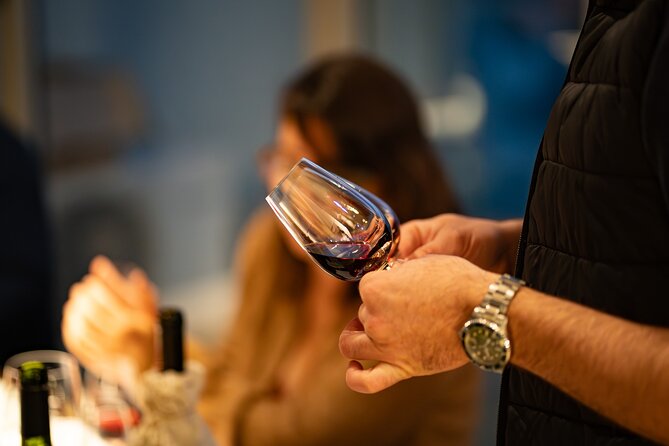
The food is not an extra tacked onto the wine. Each glass is paired with a small tapa prepared by Aby, and the pairings are chosen to work together.
The empanada is a highlight of the food selection. It is a familiar Argentine dish, but a well-made version can say a lot about local cooking. Another memorable dish is humita, an Inca-inspired preparation that gives the tasting a link to older regional food traditions.
You may also hear the story behind each tapa. That is valuable because food becomes a second route into Argentina’s culture. You are not only learning which wine comes from which place. You are also hearing how local dishes and family recipes fit into the country’s identity.
The food is freshly prepared, and the portions are designed for tasting. I would not choose this activity as your only meal of the day, especially if you have a large appetite. Think of it as a generous wine lesson with carefully matched snacks.
The pairings also make the event work for people who are less confident about wine. A small dish can soften a wine’s sharp edges or bring out a fruit note that is hard to find on its own. You can simply enjoy the combination without having to search for the correct tasting vocabulary.
What the two-hour schedule feels like
The experience lasts about two hours. That is enough time to taste four wines, eat four small tapas, and hear the story behind each pairing without turning the afternoon into a lecture.
The likely rhythm is relaxed. You taste one wine, learn about its producer and region, try the matching tapa, and then move to the next part of the country. The hosts also leave room for questions and conversation.
You are welcome to repeat the wines. That is a useful detail, especially if one bottle catches your attention or you want to compare it again with the food. It also means the session is not limited to a strict single sip of each wine.
The pace may feel brisk if you want long technical discussions about every bottle. Four regions and four food pairings create plenty to cover in 120 minutes. If you prefer a compact introduction with a clear beginning and end, the timing works well.
The atmosphere is social but not rowdy. It has been used successfully for date afternoons, honeymoon plans, solo outings, and groups of friends. You may share the table with people from different places, which adds a natural conversation element.
Is $84 a fair price?
At $84 per person, this is not a bargain bar tasting. The price includes four wines, four small food pairings, a two-hour presentation, and the hosts’ guidance. You are paying for more than the liquid in the glass.
The value is strongest if you want context. A restaurant can give you an Argentine bottle and a plate of food, but it usually will not explain the differences between northern Argentina, Patagonia, and Mendoza. You also may not get the same attention to matching each tapa with each wine.
The small-group setting adds value as well. A maximum of 14 people is far more manageable than a large tasting room. You can ask about a bottle, a region, or a dish without waiting for a formal question period.
The price is less attractive if you only want to drink wine or eat a full meal. The portions are small, and the focus is educational and social. You will get the most from the cost if you enjoy learning while you taste.
Wine bottles are available to purchase at the end. That gives you a chance to take home a favorite, though the experience does not include shipping. If you are flying internationally, check your own airline and customs rules before buying several bottles.
Practical details before you book
Confirmation is provided when you book. The meeting point is Soler 5650, C1425BYH, in Buenos Aires, and the activity finishes at the same address.
Public transportation is nearby. Service animals are allowed. The group can include up to 14 people, so the experience is intimate but not necessarily private.
The tasting requires a minimum number of participants. If that minimum is not reached and the activity is canceled, you will be offered another date or experience, or a full refund.
You can cancel for a full refund up to 24 hours before the start time. Changes or cancellations made inside that 24-hour window are not refundable. The cut-off follows local Buenos Aires time, so check the time carefully if you are booking from another country.
This activity is best scheduled when you have enough time to arrive calmly. Since it takes place at a private address, do not treat it like a walk-in wine bar. Read the meeting instructions, confirm the entrance details, and keep the host’s contact information handy.
Who will enjoy this experience most?
I would recommend it to anyone who wants a friendly introduction to Argentine wine without leaving Buenos Aires. It is particularly good for first-time visitors who know Malbec but want to understand more of the country’s producers and regions.
Food lovers should also enjoy it. Aby’s homemade tapas are a central part of the event, not a minor side dish. The empanada and humita add a personal, regional touch that you will not get from a generic cheese board.
Couples can treat it as a relaxed date activity. Solo visitors can expect a setting where conversation comes naturally. Friends can use it as an early afternoon plan before dinner, since the tasting lasts about two hours and returns you to the meeting point.
Wine specialists may find the selection less useful if they want rare vintages, vineyard visits, or a technical master class. Still, the wider regional range and small-producer focus should make it worthwhile for anyone interested in how Argentina’s wine regions differ.
Should you book Discover Argentine Wines and Tapas?
Book it if you want personal hosting, homemade food, and a broad regional introduction in one compact Buenos Aires experience. The combination of Bertie’s wine guidance and Aby’s cooking gives the tasting a human feel, and the route from northern Argentina to Patagonia and Mendoza gives you a clear sense of the country’s range.
Skip it if you need a full meal, a vineyard tour, or a private tasting limited to one grape. Otherwise, the $84 price is reasonable for four wines, four pairings, and two hours of thoughtful instruction in a small group. It is an especially good choice near the beginning of your trip, when you can use what you learn to order Argentine wine with more confidence during the rest of your stay.
FAQ
How long does the wine and tapas experience last?
The experience lasts approximately two hours.
How many wines will I taste?
You will taste four wines, each from a different producer and region of Argentina. You are welcome to repeat the wines during the tasting.
What food is included?
A small tapas serving is paired with each wine. The tapas are homemade and prepared fresh by Aby. The food selection includes regional dishes such as empanada and humita.
Where does the experience start?
It starts at Soler 5650, C1425BYH, in Buenos Aires.
Where does the experience end?
The activity ends back at the meeting point.
How large is the group?
The maximum group size is 14 people.
Can I buy the wines after the tasting?
Yes. The wines are available to purchase at the end of the experience.
What is the cancellation policy?
You can cancel at least 24 hours before the start time for a full refund. Cancellations or changes made less than 24 hours before the start time are not refunded or accepted.
Just added around Buenos Aires
- Wine Tasting in Buenos Aires★ 4.2 · 4 reviews
- Tango Show at El Querandi with optional Dinner★ 4.2 · 3 reviews
- Walking Tour: Buenos Aires bookstores★ 4.3 · 12 reviews
- Private Underground Tango Immersion★ 5.0 · 31 reviews
- Velez Sarsfield Football Match★ 5.0 · 3 reviews
- Unique Tigre and Delta Private Day Cruise Navegation★ 5.0 · 3 reviews
- Transfers from or to the airport In Argentina Your Best Choice★ 5.0 · 28 reviews
- Tour Buenos Aires in one day on Electric Scooters★ 5.0 · 33 reviews
Argentine Wine Tastings in Buenos Aires, compared.
Premium Argentinian Wines and Malbec Tasting Experience
Read our review →
Premium Empanadas Cooking Class & Wine Tasting Experience
Read our review →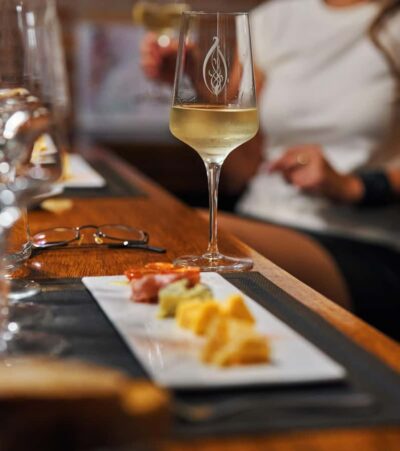

Premium Argentinian Wine and Malbec Tasting & Urban Art Tour
Read our review →Browse the lists this tour appears in