
Reviewed · PALERMO TOURS
BA: Empanadas and Alfajores Cooking Experience in Palermo
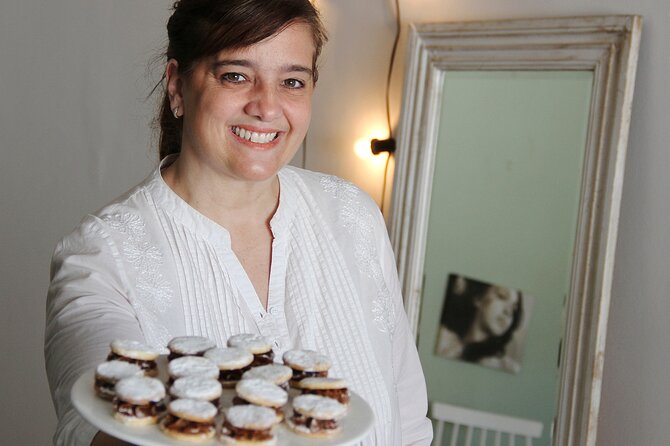
Argentina teaches its food culture through folds, fillings, and family habits. In this Palermo cooking experience, you prepare empanadas and dulce de leche alfajores with a local host, then sit down to eat what you made. The little details matter: beef and lentil empanadas may use different shapes, and some families even whistle while working so nobody sneaks a bite of filling.
I like the small group of up to 10, which gives you room to ask questions and work at your own pace. I also like the mix of savory and sweet, plus mate tea and cultural stories that turn a simple recipe lesson into a useful introduction to Argentina.
One point to keep in mind: this is a beginner-friendly food workshop, not a full professional kitchen course. Some sessions involve real chopping and cooking, while others rely more on prepared shells and demonstrations, so the amount of hands-on work may vary.
Key points to know before booking
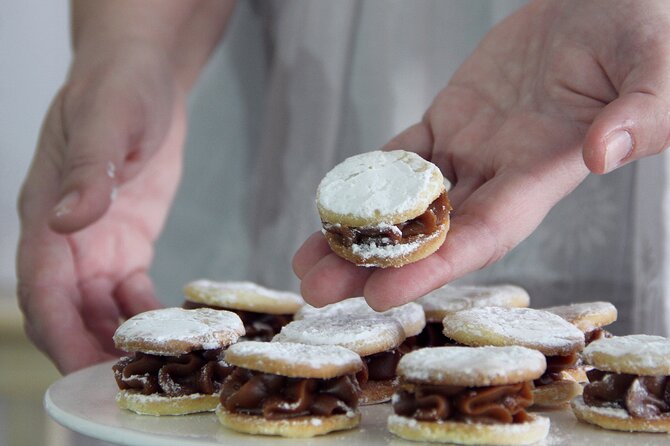
- Two Argentine classics in one sitting: Prepare empanadas, then make alfajores filled with dulce de leche and often finished with coconut.
- Meat and vegan choices: Beef is available, with lentil filling offered for vegetarian or vegan participants.
- Hosts with different styles: Tomas, Valentino, Carolina, Cata, and other local hosts have led sessions, so the tone can vary by date.
- Small Palermo setting: The class meets at Gorriti 4882 and ends there, with no transportation included.
- A family-friendly activity: Children around ages 10 and 13 have enjoyed it, though young cooks need help with knives.
- Recipes for home: Participants receive recipes, making the class more useful after your Buenos Aires visit.
Why this Palermo class feels like more than a recipe lesson
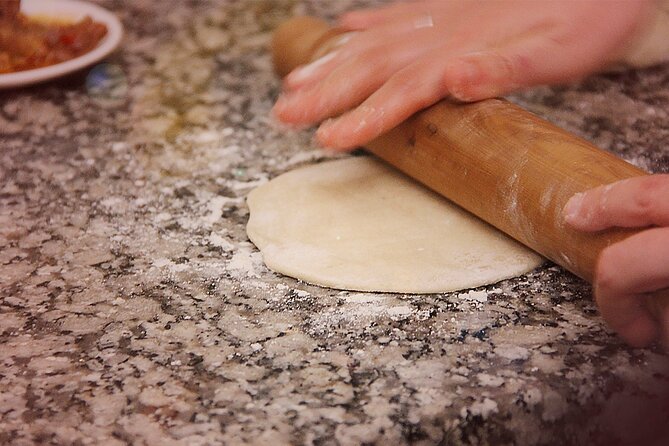
Empanadas are not just convenient pastries in Argentina. They are part of everyday food culture, with regional fillings, familiar folding patterns, and strong opinions about what belongs inside. That makes this class a good choice if you want more than a plate of food and a quick explanation.
You work with a local host who explains how the filling comes together and how to close the dough. The folding lesson is a small but worthwhile part of the experience. A beef empanada and a lentil empanada may be shaped differently, giving you a practical way to see how Argentine cooks identify what is inside.
That kind of detail is hard to pick up from a restaurant menu. You may eat empanadas all over Buenos Aires, but here you learn how the food is handled before it reaches the oven. You also get stories about learning these dishes at an abuela’s kitchen table, which gives the cooking a personal setting rather than a formal classroom feel.
The class lasts about two and a half hours. That is long enough to prepare both dishes, eat, talk, and ask questions without turning the afternoon into an all-day commitment. It also works well as a relaxed activity after a morning of sightseeing in Palermo.
More cooking classes in Buenos Aires:
- Buenos Aires: Empanadas and Alfajores Guided Cooking Class
★ 4.8 · 486 reviews - Buenos Aires: Empanada & Alfajor Cooking Lesson in Palermo
★ 4.6 · 186 reviews - Buenos Aires Food Tour: Local Dishes, Steak, Empanada & More
★ 5.0 · 118 reviews
Chopping, filling, and folding the empanadas
The savory part comes first. Your host shows you how to prepare the filling, and you may help chop vegetables and meat before the mixture goes onto the stovetop. The process is accessible to beginners, but you should not expect to work completely alone at every stage.
Some sessions use premade empanada shells. In that format, your work focuses on filling, sealing, and shaping rather than mixing and rolling every piece of dough from scratch. Other sessions provide more opportunity to prepare the food yourself. If making dough is important to you, ask about the exact format before booking.
The filling choices make the class easier for a mixed group. Beef is the standard option, while lentils provide a meat-free alternative. The menu is useful for families and friends with different diets because nobody has to sit out while the rest of the group cooks.
The folding can be harder than it looks. You press the edge closed, then try to create the neat crimp that gives an empanada its familiar look. One useful lesson is that the shape can signal the filling. Do not rush this part, since it is one of the clearest skills you can take home.
The empanadas are then cooked and served during the session. Participants often describe the food as a highlight, though two less positive accounts found the seasoning plain. That is worth noting. The class tends to prioritize a straightforward, beginner-friendly recipe, not a highly spiced or restaurant-style version.
If you want to adjust the flavor at home, the class is a good starting point. You can ask about variations, and hosts have shared alternative versions of the recipe. The practical value is not only eating the finished empanada, but learning a base that you can change later.
Making alfajores with dulce de leche
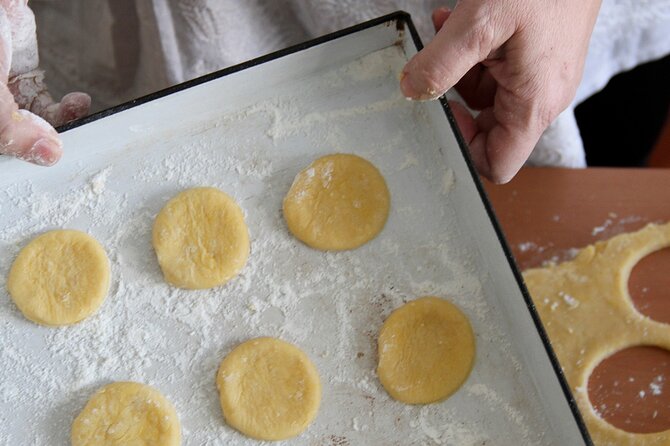
The sweet course is the other major reason to book. Alfajores are delicate cookies filled with dulce de leche, Argentina’s creamy caramel-like milk confection. You mix, bake, and assemble the treats, then add the filling and finish them according to the class method.
The timing works well. While the empanada filling cools, you can work on the cookies. This keeps the class moving and gives you two very different tasks: savory preparation first, then careful assembly of a fragile dessert.
Pay attention when handling the cookies. One useful tip from the class is to avoid pressing hard, because the baked rounds can break easily. After adding the dulce de leche, you may roll the edges in coconut. Children often enjoy making different shapes, though the cookies need a gentle touch.
The alfajores are simple in design, but they show how much texture matters. The cookie should hold together, the dulce de leche should be generous without spilling everywhere, and the coconut adds a light finish. You get to eat the finished sweets rather than merely watch a demonstration.
The recipe has also proved useful beyond the class. You receive the instructions afterward, which means you can try the dishes at home instead of leaving with only a few photographs and a full stomach.
Mate, wine, and conversation at the table
Mate is included as the local infusion. Your host introduces it alongside the cooking, giving you a chance to try one of Argentina’s best-known drinks while hearing about food customs and daily life.
Coffee or tea is also listed, though the drink service can differ by session. Some participants received wine instead, and several enjoyed it with the empanadas and alfajores. If you specifically want mate, coffee, or tea, confirm what will be served on your date.
The social side is part of the appeal. The maximum group size is 10, small enough for conversation without making you feel like you are in a large tour group. You may cook with people from different countries, compare your folding attempts, and share the finished food at the end.
The mood is generally easygoing. You are not rushed out as soon as the food is served, and the meal gives you time to talk with the host and the other participants. For solo visitors, this is a pleasant way to meet people without committing to a full evening event.
The host is central to the experience. Tomas has been praised for patient instruction and good food, while Valentino has been described as encouraging and careful with beginners. Carolina and Cata have also led sessions. Since the host may change, expect a broadly similar format but not exactly the same stories or teaching style each time.
More Palermo tours:
- Palermo: Graffiti and Street Art Guided Tour in English
★ 4.8 · 684 reviews - Buenos Aires Bike Tour: North Districts, Recoleta and Palermo
★ 4.5 · 91 reviews - Argentinian Empanadas Cooking Experience in Palermo, Bs As
★ 4.8 · 50 reviews - Cultural Experience by Bike around Palermo and Recoleta Max 6 ppl
★ 5.0 · 44 reviews
How hands-on is the cooking?
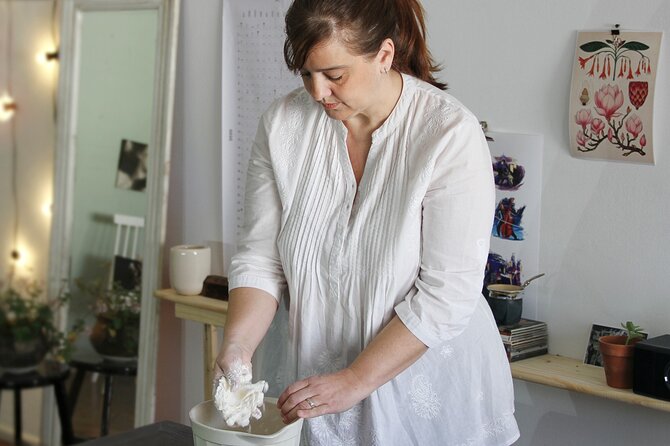
This is the main point to consider before you pay. The class is interactive, but the amount of work can vary. You may chop ingredients, cook the filling, roll dough, fill empanadas, shape them, and assemble alfajores. In another session, much of the preparation may already be organized, leaving you to watch more and fill premade shells.
That difference matters if you are a serious home cook. You will learn useful techniques, but this is not designed as an intensive pastry or culinary course. It is better understood as a cultural food activity with practical cooking built in.
For beginners, that lighter approach can be a benefit. You do not need advanced skills, and the host can keep the group moving. If you are cooking with children, a shorter list of tasks may also prevent the class from becoming tiring.
Knife work deserves attention. Children can take part, but cutting and chopping may involve sharp knives, so an adult should help. The activity has worked well for families with children aged 10 and 13, but younger children may need close supervision throughout.
The small class should make it easier to get help when your folds go wrong or your cookies crack. Still, if the group is full, not every person will lead every step. If you want maximum hands-on time, say so at the beginning and volunteer for tasks.
The value of the $49 price
At $49 per person, the price covers about two and a half hours of instruction, ingredients for both dishes, cooking tools, the host, and mate or another listed hot drink. You also eat the food you make and receive recipes for later use.
That is fair value if you want an activity rather than a simple meal. A restaurant visit may cost less, but it will not teach you the folding, filling, or alfajor assembly. A private cooking lesson would likely provide more personal attention, but this small-group format gives you conversation and a lower price.
The value is strongest for families, solo visitors, and couples who want a planned activity in Palermo. It is less compelling if your only goal is to taste the best empanadas in Buenos Aires. The recipes are intentionally approachable, and some people may find the seasoning mild or the cooking too basic.
Wine has appeared in some sessions, but it is not included in the listed price as a guaranteed feature. Transportation is also not included, and tips are separate. Plan to reach Gorriti 4882 on your own using Buenos Aires public transportation or another local option.
The activity is booked an average of 37 days ahead, so popular dates may fill early. That does not mean you must plan your whole trip around it, but I would reserve it before flying if you already know you want a cooking class.
Who will enjoy this experience most?
I would choose this for a family that wants a break from museums and city walks. Children can shape empanadas and alfajores, try unfamiliar flavors, and see a finished meal come from their own work. Adults should expect to assist with knives and guide younger children through the cooking.
It also suits couples and solo visitors. The group size encourages conversation, and the meal gives you a natural way to meet others. If you are jet-lagged and want a useful half-day activity without spending hours walking, the 2.5-hour schedule is convenient.
Food-focused visitors will get the most from the cultural details. The class connects the recipes to family habits, regional differences, mate, and the daily place of empanadas in Argentina. It is a good choice if you like learning the story behind a dish while preparing it.
I would be more cautious if you want a demanding lesson with every element made from scratch. Ask how much dough preparation is planned for your date. Also keep your expectations moderate about flavor. Most people enjoy the food, but at least one session found both dishes too plain.
Meeting point, timing, and cancellation details
The class begins and ends at Gorriti 4882 in Palermo, Buenos Aires. It is near public transportation, but transportation to the venue is not included, so leave enough time to find the address.
Confirmation is provided when you book. The maximum group size is 10 people, and the experience lasts approximately two hours and 30 minutes.
You can cancel for a full refund up to 24 hours before the local start time. Cancellations or changes made inside that 24-hour window are not accepted for a refund. A previous cancellation problem was reported, so keep your confirmation details and contact the provider promptly if the schedule changes.
Should you book the Palermo empanada and alfajor class?
Book it if you want a friendly cultural activity with food you can recreate at home. The best parts are the small group, the local hosts, the choice of meat or lentil filling, the empanada folding lesson, and the relaxed meal at the end.
I would especially recommend it to families, first-time visitors, and solo food lovers. You should book with slightly lower expectations if you want advanced cooking instruction or a very bold recipe. Ask about the current host, drink options, and how much will be prepared in advance.
For $49, the class gives you a meal, a local introduction, and recipes that remain useful after Buenos Aires. That makes it a solid choice for a free afternoon in Palermo, provided you value participation and conversation more than technical kitchen training.
FAQ
Where does the cooking experience begin?
It begins at Gorriti 4882, C1414BJN, Buenos Aires, Argentina, in the Palermo area.
Where does the activity end?
The activity ends back at the meeting point on Gorriti 4882.
How long does the experience last?
The cooking experience lasts approximately two hours and 30 minutes.
How many people can join?
The class has a maximum of 10 travelers.
What food will I make?
You will prepare Argentine empanadas and dulce de leche alfajores.
Are vegan or vegetarian choices available?
Yes. Meat and vegan options are available, with lentil filling mentioned as a meat-free choice.
Are ingredients included?
Yes. Ingredients for both the empanadas and alfajores are included.
Are cooking tools provided?
Yes. Cooking tools are included in the activity.
Is mate included?
Mate is listed among the included drinks, along with coffee and/or tea. Some sessions may offer wine instead, so confirm the drink selection if it matters to you.
Is transportation included?
No. You must make your own way to the meeting point, which is near public transportation.
Can children join?
Yes. The activity is suitable for families and has been enjoyed by children around ages 10 and 13. Children need adult help with chopping and any sharp knives.
What is the cancellation policy?
You can cancel up to 24 hours before the local start time for a full refund. Cancellations or changes made less than 24 hours before the start are not accepted for a refund.
Just added around Buenos Aires
- Tango Show at El Querandi with optional Dinner★ 4.2 · 3 reviews
- Wine Tasting in Buenos Aires★ 4.2 · 4 reviews
- Walking Tour: Buenos Aires bookstores★ 4.3 · 12 reviews
- Private Underground Tango Immersion★ 5.0 · 31 reviews
- Velez Sarsfield Football Match★ 5.0 · 3 reviews
- Unique Tigre and Delta Private Day Cruise Navegation★ 5.0 · 3 reviews
- Transfers from or to the airport In Argentina Your Best Choice★ 5.0 · 28 reviews
- Tour Buenos Aires in one day on Electric Scooters★ 5.0 · 33 reviews
Palermo Tours, compared.
Buenos Aires Bike Tour: North Districts, Recoleta and Palermo
Read our review →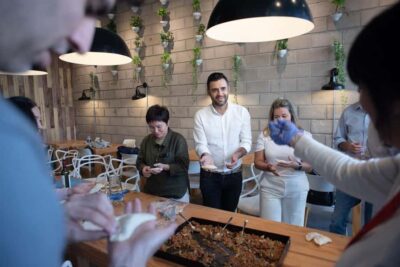
Argentinian Empanadas Cooking Experience in Palermo, Bs As
Read our review →
Cultural Experience by Bike around Palermo and Recoleta Max 6 ppl
Read our review →
Browse the lists this tour appears in