Reviewed · TOURS
Buenos Aires: Puerto Madero Tour For Small Groups
Puerto Madero gives you two Buenos Aireses in one walk: old port warehouses built with English bricks on one side, and tall glass towers, polished restaurants, and modern bridges on the other. The route then leaves the city streets for the Ecological Reserve, where you can watch birds and look back at the skyline.
I like the strong contrast between port machinery and modern architecture, and I like that the walk does not stop at the usual photo spots. Guide Miguel brings a personal feel to the outing, with clear enthusiasm for Buenos Aires and plenty of room for questions. The main drawback is that the tour is conducted in Spanish, and the long walk through the reserve is not suitable for wheelchair users or children under 10.
Key points to know before you book
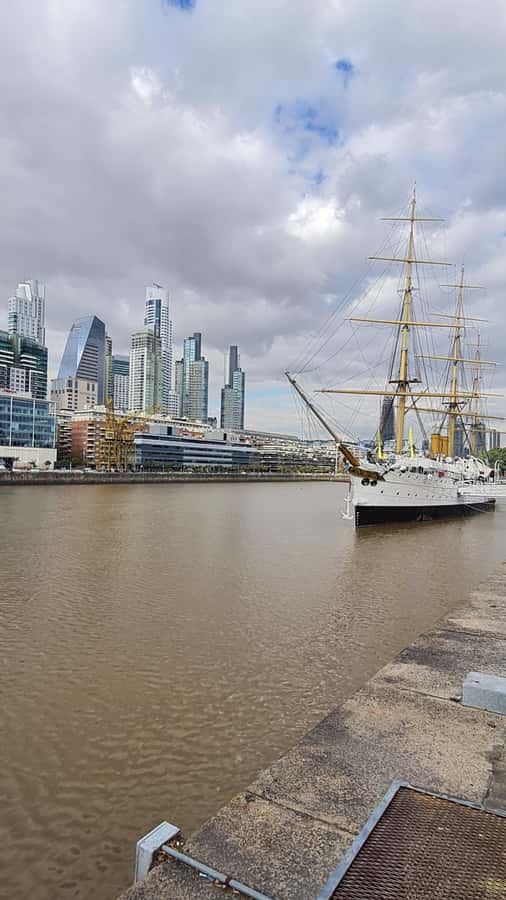
- Puerto Madero in two moods: See restored dock buildings and elegant restaurants beside some of Buenos Aires’ tallest modern towers.
- Miguel leads in Spanish: The guide is named Miguel, and the experience suits you best if you can follow a Spanish-language walking tour.
- A real nature stop: The Ecological Reserve takes about 1.5 hours and includes birdwatching, animal sightings, and city views.
- Useful Buenos Aires landmarks: The route includes the Sarmiento Frigate, Women’s Bridge, Fountain of the Nereids, and Museo de la Cárcova.
- Good value at $20: You get a long guided walk covering port history, architecture, public art, and nature without paying museum admission fees.
- Plan for a walking day: Bring comfortable shoes, water, a hat, and sunscreen. A 10-minute restroom pause is included.
Why Puerto Madero makes a good walking route
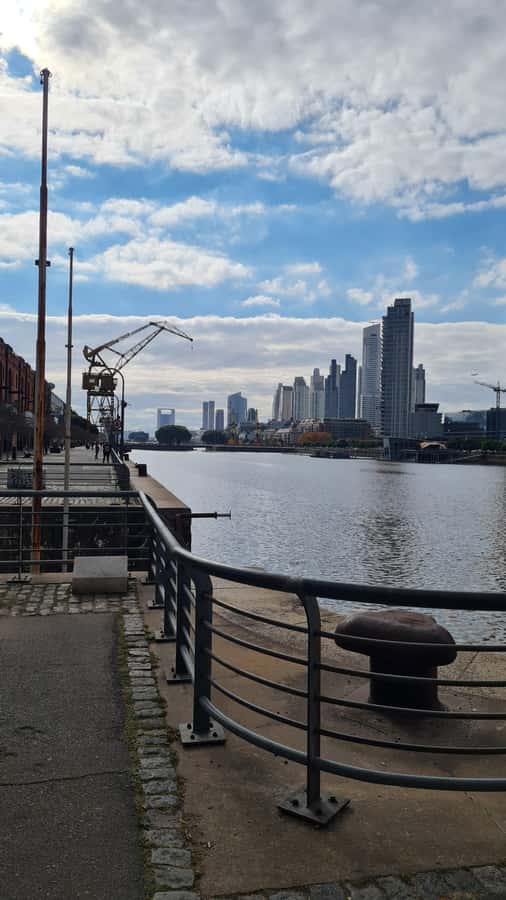
Puerto Madero is one of the easiest parts of Buenos Aires to understand on foot because its layout tells a clear story. The old docks form the backbone of the district. Their brick warehouses, loading areas, and port machinery recall the working harbor, while the surrounding restaurants, university buildings, plazas, and towers show how the area has changed.
That contrast gives Miguel plenty to explain as you walk. You are not simply moving from one monument to the next. You are watching a former port area shift from industry to dining, education, offices, public gardens, and high-end housing.
I especially like this route for first-time visitors who want an introduction to Buenos Aires without spending the whole afternoon inside museums. You get architecture, public art, local history, and open space in one outing. At $20 per person, the price is modest for a guided walk lasting 210 minutes.
There is one detail to keep in mind. The activity is described as a three-hour guided walking tour with a 10-minute restroom pause, while the advertised duration is 210 minutes. Allow the full stated time rather than planning another appointment immediately afterward. Walking time can shift depending on the pace of the group and the guide’s explanations.
More Puerto Madero outings:
- Buenos Aires: Puerto Madero Sunset Cruise with Open Bar
★ 4.1 · 439 reviews - Buenos Aires: Puerto Madero to Tigre Round Trip Cruise
★ 4.4 · 190 reviews - Buenos Aires: Navigation from Pto. Madero to La Boca
★ 4.1 · 147 reviews
Starting beside the Sarmiento Frigate
The meeting point is the Buque Museo Fragata A.R.A. Presidente Sarmiento, the historic sailing ship that now serves as a museum. Miguel waits for you there.
The ship was once used to train generations of Argentine Navy midshipmen. Even if you do not go aboard, it gives the opening of the tour a strong sense of place. You begin beside a real piece of Argentina’s maritime past, not at a generic street corner.
The tour does not plan to enter the frigate. That is useful to know if you were hoping for a ship interior visit. Instead, you receive a guided look and pass by the vessel before continuing through the port district.
Old warehouses, restaurants, and the UCA
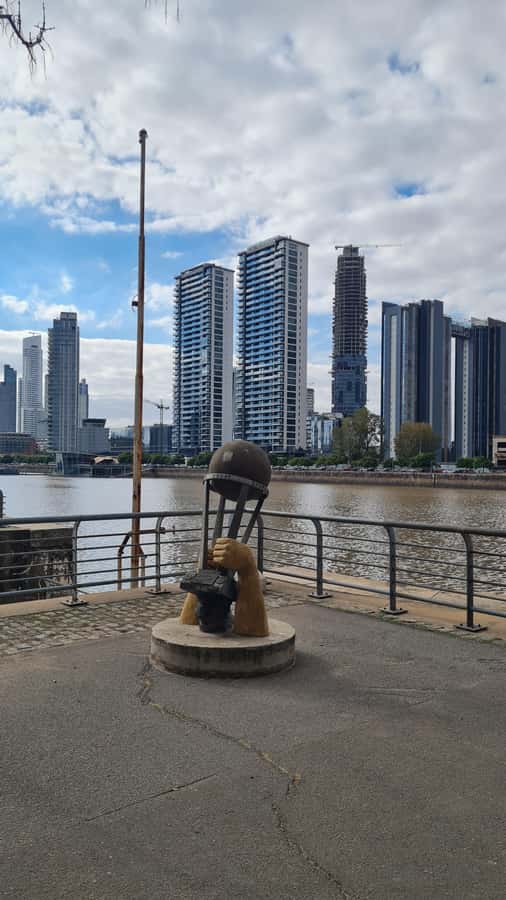
The dock warehouses are among the most interesting parts of Puerto Madero. Built with English bricks, they have a solid, practical look that reflects their original purpose. Today, many house sophisticated restaurants, so the scene has a very different feel from the working port that came before it.
This is a good place to pay attention to the contrast rather than viewing the buildings as simple backdrops. The old brick walls and port machinery connect to trade and shipping. The restaurants and the nearby Pontifical Catholic University of Argentina, known as UCA, show the district’s newer role as a destination for dining and education.
You will have a photo stop and guided sightseeing in this part of the route. If food is part of your Buenos Aires plans, the restaurant setting may also help you decide where you might return later. Food is not included, so treat the stop as orientation rather than a meal break.
The Sarmiento Frigate and Women’s Bridge
The Sarmiento Frigate is one of the route’s clearest links to Argentina’s navy. Miguel can point out the ship and explain its role as a training vessel, while you view it from outside.
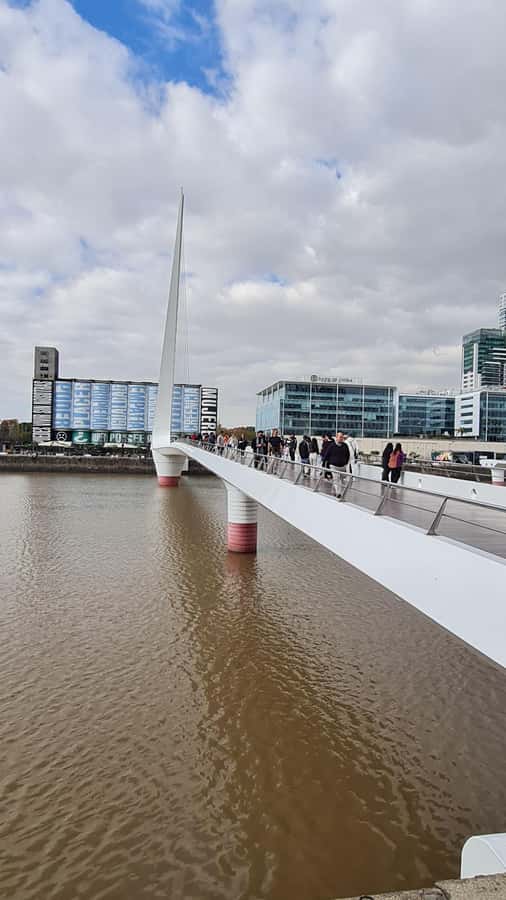
From there, the route reaches the Puente de la Mujer, or Women’s Bridge. Its sweeping form is tied to tango culture, giving you a modern landmark with a distinctly Argentine reference. The bridge is one of the natural photo stops in Puerto Madero, but its value is not only visual. It helps show how the district uses contemporary design to express local identity.
You will spend about 20 minutes here, including guided explanation and time for photographs. Expect a fairly open urban setting with broad views toward the buildings and water. The bridge is popular as a landmark, but this walk gives it context alongside the older docks instead of treating it as an isolated photo opportunity.
Same city, an entirely different evening:
- Buenos Aires Hop-On Hop-Off Bus, Free Walking Tours & Discounts
★ 4.5 · 2,218 reviews - Buenos Aires: Piazzolla Tango Show with Optional Dinner
★ 4.4 · 2,122 reviews - Buenos Aires: City Highlights Guided Tour with Transfer
★ 4.7 · 1,946 reviews - Buenos Aires: Hop-On Hop-Off City Bus Tour
★ 4.2 · 1,855 reviews
Tall towers beside working-port machinery
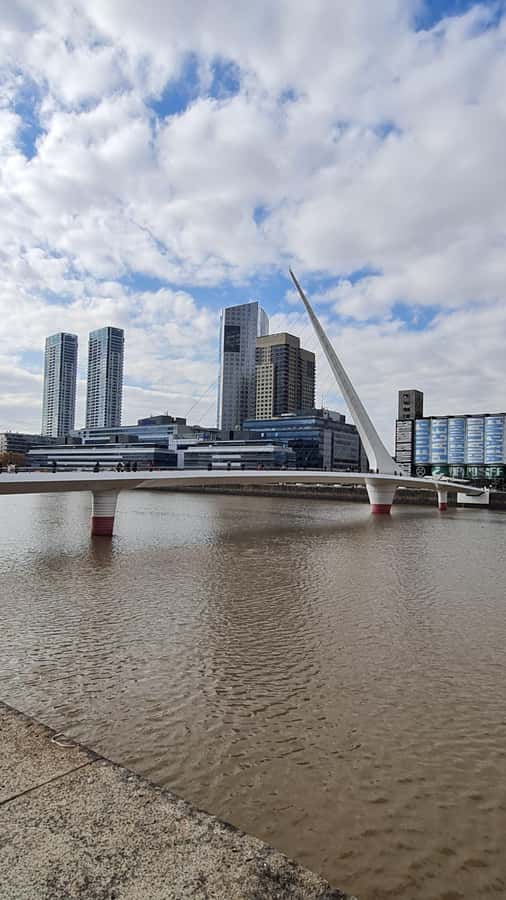
One of the best features of the route is the view across different periods of Buenos Aires architecture. Tall, modern buildings rise behind the old warehouses and port equipment. The effect is almost like a city timeline placed in one frame.
I like this section because it makes the district’s development easy to see. You do not need a long lecture about urban change when the evidence is directly in front of you. Brick storage buildings, old machinery, restaurants, a university, and polished towers all occupy the same waterfront.
The Puerto Madero portion takes about 30 minutes, with sightseeing, a photo stop, and guided commentary. It is not a long architectural tour, so you should not expect detailed access to individual buildings. Instead, the guide helps you read the area as a whole.
Plazas, gardens, and the move toward nature
After the dock area, the walk turns toward plazas and gardens. This change matters because Puerto Madero can feel very built-up around the warehouses and towers. The gardens give you a more relaxed stretch before the longer visit to the reserve.
The route is not only about famous landmarks. The change in surroundings lets you see how public space has been added around the old port. You move from commercial and historic buildings toward open paths and greenery, then into a protected natural area.
Bring water at this stage, especially on a warm day. The organizers specifically advise comfortable shoes, a hat, sunscreen, and water. Those are practical instructions, not extras: the reserve portion alone is planned for about 1.5 hours.
Spending 90 minutes in the Ecological Reserve
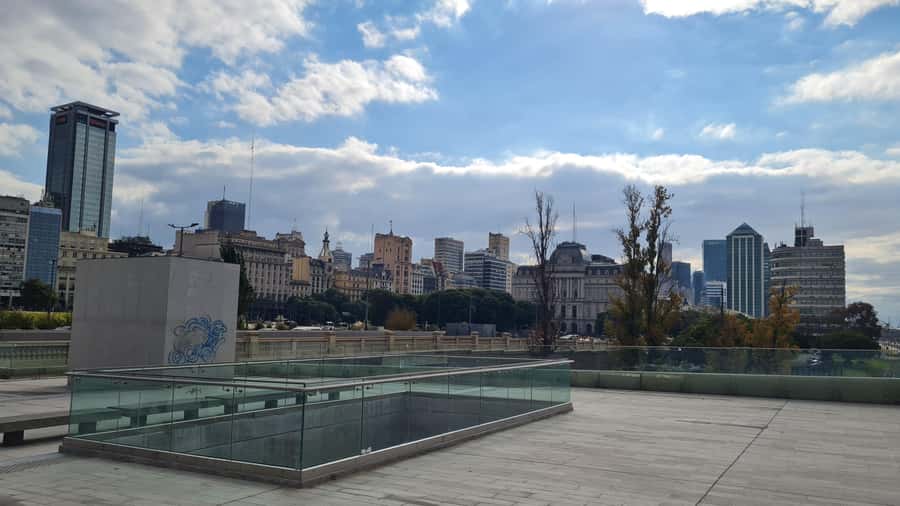
The Ecological Reserve is the most distinctive part of the tour. Here, the city skyline remains close, but the immediate surroundings shift to walking paths, birds, and other animal species. You can look back toward Buenos Aires while also watching for wildlife.
The reserve visit includes a photo stop, guided sightseeing, and walking. Birdwatching is one of the main attractions, though the exact animals you see will naturally vary. The useful promise here is the setting itself: you get time in an urban nature area rather than a quick roadside glance.
I would choose this tour over a shorter Puerto Madero orientation if you enjoy open air and want more than architecture. The reserve adds a change of pace and gives the walk a stronger local character. It also keeps the experience from feeling like a restaurant-and-skyscraper circuit.
At the same time, this is where the physical demands become clearest. The tour is on foot, the reserve section is long, and wheelchair users are specifically excluded. Children under 10 are also not accepted. If you have limited stamina, ask yourself if 210 minutes of walking suits your plans before booking.
The reserve also makes weather preparation important. A hat, sunscreen, and water are specifically recommended. Comfortable shoes matter more here than fashionable footwear, since the route includes an extended walk rather than only paved sightseeing around the docks.
Lola Mora’s Fountain of the Nereids
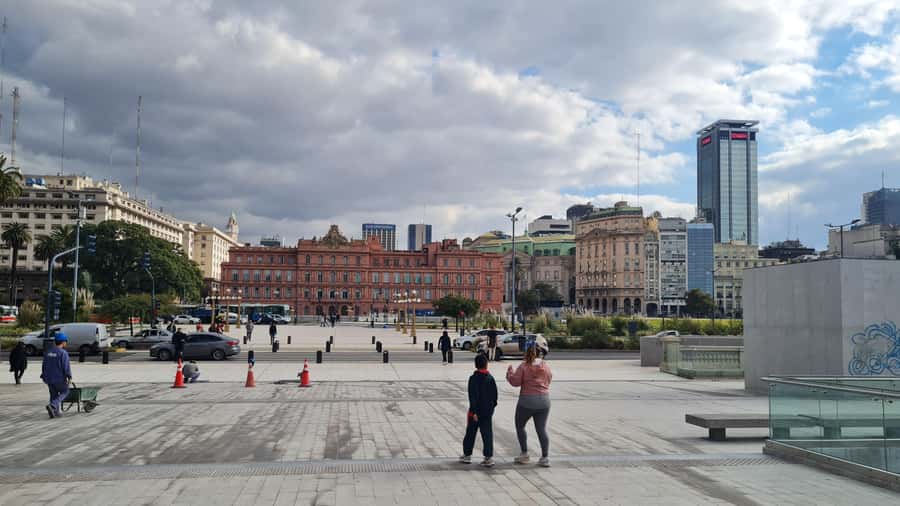
On the way out of the reserve, you stop at the Fountain of the Nereids, created by Argentine sculptor Lola Mora. The fountain adds a piece of public art to a route already shaped by ships, bridges, warehouses, and wildlife.
This is a worthwhile final landmark because it broadens the tour beyond Puerto Madero’s redevelopment story. Lola Mora’s work gives you another way to think about Argentine culture and artistic identity. The stop lasts about 10 minutes, so expect a short guided explanation and time for photographs rather than a long art lecture.
The fountain also works as a transition between the reserve and the final museum stop. After open paths and city views, you return to a more formal piece of art before ending at Museo de la Cárcova.
Ending at Museo de la Cárcova
The tour finishes at Museo de la Cárcova, also called the plaster cast museum. You visit the museum with Miguel for about 20 minutes.
This gives the walk a thoughtful ending. The day begins with a naval training ship and historic port buildings, moves through contemporary architecture and nature, and closes with sculpture and museum collections. The final stop is not simply a convenient endpoint. It adds another cultural layer to the route.
Because the visit is limited to about 20 minutes, you should treat it as an introduction rather than a full museum afternoon. If you are especially interested in the collection, you may want to return later with more time. The tour’s purpose is to connect the museum to the wider Puerto Madero route.
What Miguel adds to the experience
The guide is Miguel, and the strongest personal quality attached to this tour is his enthusiasm for Buenos Aires. One written assessment describes his extensive understanding of Puerto Madero and the city, while another highlights the passion he brings to the walk and the discussions along the way.
That matters on a route with several different subjects. A guide who can connect the frigate, port warehouses, tango symbolism, modern buildings, reserve wildlife, Lola Mora, and the museum makes the walk feel like one experience rather than a string of stops.
Miguel guides in Spanish only. You should be comfortable listening to Spanish for several hours and asking questions in Spanish if you want a discussion. If you need an English-language tour, this is not the right choice based on the information provided.
Is $20 a fair price?
At $20 per person, this is a strong value if you want a long introduction to Puerto Madero. The route covers a historic ship, the old docks, Women’s Bridge, modern city views, plazas, a 1.5-hour nature visit, a major fountain, and a museum stop.
You are also paying for a guide who can explain how the pieces fit together. That is more useful than simply walking through the district with a list of names on your phone. No food, drinks, or museum admission fees are listed as included, so budget separately if you decide to dine in the port or spend extra time inside the museums.
The value is highest for visitors who want variety. If you only want quick photographs of Women’s Bridge and the skyline, a self-guided walk may be enough. If you want a Spanish-language explanation and a substantial visit to the Ecological Reserve, the price is easier to justify.
Flexible booking also helps. You can reserve now and pay later, and cancellation is free up to 24 hours before the start time for a full refund. Check the available starting times before you commit, since the exact schedule is not fixed in the tour information.
Who should book this Puerto Madero walk?
I would recommend it to you if you want to see several sides of Buenos Aires in one outing. It suits first-time visitors, Spanish-speaking travelers, architecture fans, people who like city history, and anyone who prefers a park or reserve visit to another indoor attraction.
It is also a good choice if you want a guide who can answer questions rather than simply lead you from one photo stop to another. Miguel’s style appears especially suited to people who enjoy conversation and local stories.
I would hesitate if you need an English-language tour, use a wheelchair, are traveling with a child under 10, or dislike long walks. You should also avoid squeezing this into a tight schedule because the advertised duration is 210 minutes and the route includes a lengthy reserve visit.
FAQ
How long does the Puerto Madero tour last?
The advertised duration is 210 minutes. The activity is also described as a three-hour guided walking tour with a 10-minute restroom pause, so allow the full stated time.
What language is the tour conducted in?
The live tour guide speaks Spanish. Miguel is the named guide for the experience.
Where does the tour start?
It starts at the Buque Museo Fragata A.R.A. Presidente Sarmiento. Miguel waits for you at the ship museum.
Where does the tour finish?
The walk finishes at Museo de la Cárcova, the plaster cast museum.
Does the tour enter the Sarmiento Frigate?
The route includes a guided look and pass-by of the Sarmiento Frigate, but the tour does not plan to enter it.
How much time is spent at the Ecological Reserve?
The Ecological Reserve portion takes about 1.5 hours and includes walking, sightseeing, photographs, birdwatching opportunities, and the chance to see other animal species.
What should I bring?
Bring comfortable shoes, a hat, sunscreen, and water.
Who cannot take this tour?
The experience is not suitable for children under 10 or wheelchair users.
Just added around Buenos Aires
- Tango Show at El Querandi with optional Dinner★ 4.2 · 3 reviews
- Wine Tasting in Buenos Aires★ 4.2 · 4 reviews
- Walking Tour: Buenos Aires bookstores★ 4.3 · 12 reviews
- Private Underground Tango Immersion★ 5.0 · 31 reviews
- Velez Sarsfield Football Match★ 5.0 · 3 reviews
- Unique Tigre and Delta Private Day Cruise Navegation★ 5.0 · 3 reviews
- Transfers from or to the airport In Argentina Your Best Choice★ 5.0 · 28 reviews
- Tour Buenos Aires in one day on Electric Scooters★ 5.0 · 33 reviews
Tours, compared.
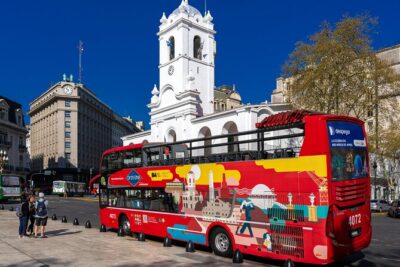
Buenos Aires Hop-On Hop-Off Bus, Free Walking Tours & Discounts
Read our review →