
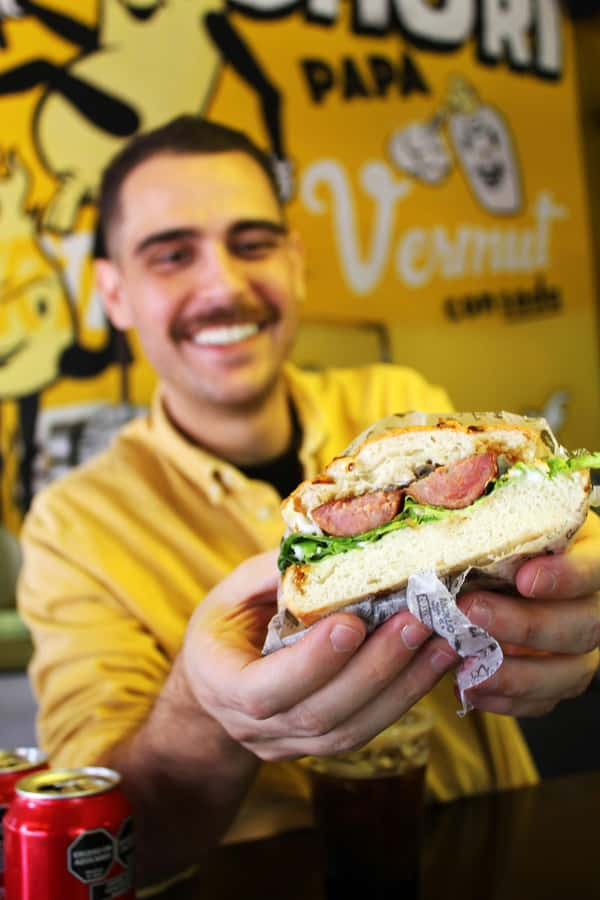
Reviewed · BUENOS AIRES FOOD TOURS
Secret Food Tour: Buenos Aires
Buenos Aires puts its food story right on the sidewalk, and this three-hour Palermo walking tour gives you a tasty route through steak, empanadas, choripán, alfajores, and a secret dish. You’ll also hear how Italian immigration, Indigenous traditions, Eva Perón, and Argentina’s dictatorship shaped the city.
I like the small group of up to 10 and the mix of food with neighborhood history. I also like that the guide is a local English speaker who can point you toward more places after the tour. The main consideration is the $95 price: it can be good value if you want several substantial tastings and drinks, but less so if you prefer a cheap snack crawl or need a tightly timed three-hour outing.
Key points at a glance
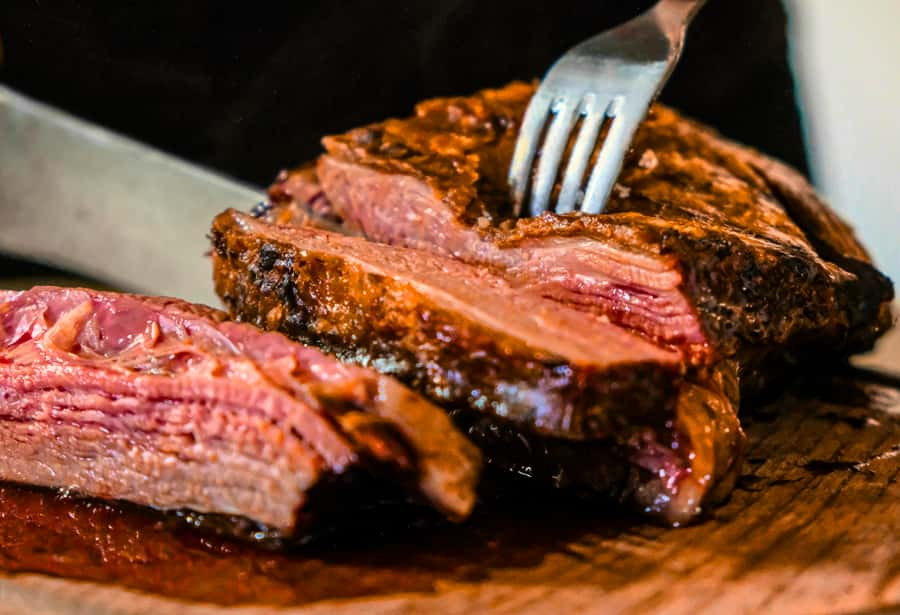
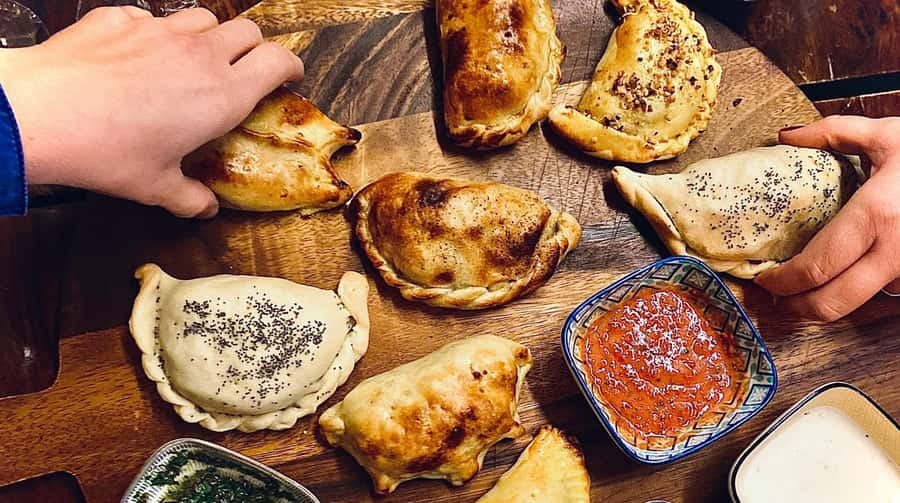
- A full Argentine food sampler: Expect steak with chimichurri, special empanadas, an award-winning choripán, handmade alfajores, cheesecake, drinks, and a secret dish.
- Palermo in several flavors: The route covers Palermo, Old Palermo, Palermo Soho, and Plaza Inmigrantes de Armenia.
- Food with a wider story: Stops connect the menu to Indigenous heritage, Italian immigration, Eva Perón, and the dictatorship era.
- A guide who can shape the rest of your stay: Iago is named in the feedback as a particularly helpful guide for city recommendations.
- Small by design: With no more than 10 participants, you should have a better chance to ask questions and keep the group together.
- Simple meeting point: Meet outside 1810 Cocina Regional Palermo at Julián Álvarez 1998. Look for the orange umbrella.
Why Palermo makes a good food-tour base
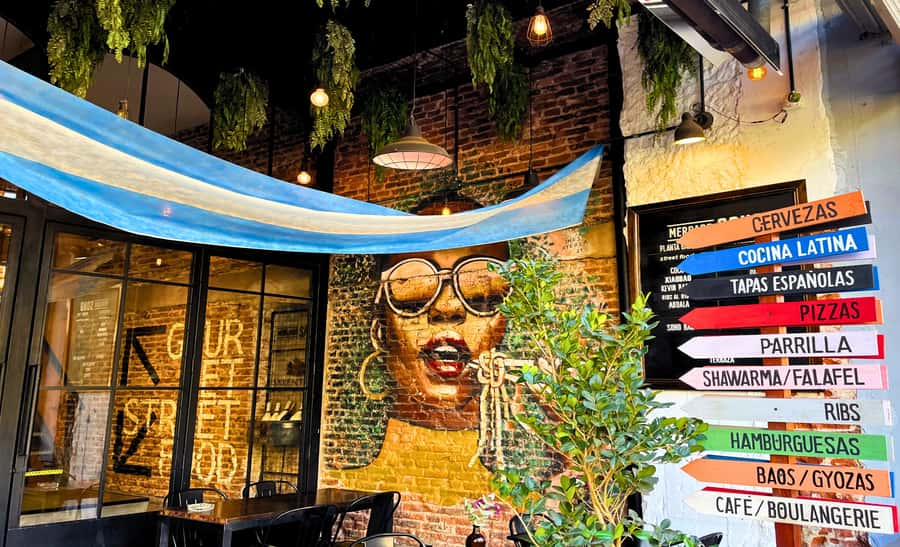
Palermo is Buenos Aires’ largest neighborhood, and it is split into districts with different personalities. This tour uses Palermo Soho, Old Palermo, and nearby areas to show you more than one version of the neighborhood instead of parking you at a single restaurant.
That matters because food in Buenos Aires is tied closely to place. You are not just being handed a plate of steak. You are being shown how Argentina’s cooking grew from Indigenous traditions, European immigration, local customs, and the city’s social history.
The route begins at 1810 Cocina Regional Palermo, at Julián Álvarez 1998, C1425DHB. You meet outside the main entrance, where the guide carries an orange umbrella. That is a useful detail in a busy city, especially if several small groups are gathering nearby.
The tour ends back at the same meeting point. There is no hotel pickup or drop-off, so plan your own way to Palermo and allow a little time to find the restaurant entrance.
More food tours in Buenos Aires:
- Buenos Aires: Local Foodie Adventure with Sherpa Food Tours
★ 4.9 · 670 reviews - Buenos Aires Food Tour: Local Dishes, Steak, Empanada & More
★ 5.0 · 118 reviews - San Telmo: Historical Guided Tour with Street Food & Drinks
★ 5.0 · 87 reviews
The secret dish starts the story
The first tasting is the tour’s secret dish, designed to highlight Argentina’s Indigenous heritage and cultural legacy. The exact food is intentionally not revealed in advance, so you should treat it as part of the fun rather than plan your meal around it.
This is also where the tour tries to move past the standard Buenos Aires food checklist. Steak and alfajores are easy to find on any city guide. A surprise dish gives the guide room to introduce a less predictable part of Argentine cooking.
The lack of a fixed description has one practical downside. If you have strict dietary needs, contact the provider before booking to ask if the tour can accommodate them. The menu and route may change because of weather, location availability, or other circumstances.
Italian roots in Argentine cooking
One stop looks at the influence of Italian immigration on Argentina’s food. The supplied background notes that 62.2 percent of the population traces its ancestry to Italy, a striking figure that helps explain why Italian influence is so visible in Argentine gastronomy.
You will not be moving through a museum lecture. The idea is tied to what you eat, which makes the history easier to remember. The guide can explain how outside traditions became part of local food instead of remaining separate imports.
This is one of the tour’s strongest features for first-time visitors. You get a clearer reason for the food you are tasting, not just a list of dishes with unfamiliar names. Since the guide is live and the group is limited to 10, you can ask for clarification as the route goes along.
Parrilla, the main event
The steak stop is the meal’s big anchor. You’ll eat fire-grilled Argentine beef with chimichurri, the herb-filled sauce that gives the meat a sharp, fresh counterpoint.
A parrilla is more than a steakhouse meal in the tourist sense. It is one of Argentina’s most famous food traditions, and the cooking method is central to the experience. If you have been hoping to understand why Argentine beef has such a strong reputation, this is the tasting to watch closely.
The portion size is not stated, so do not assume this is a full restaurant dinner. Still, the menu includes several savory tastings, and the steak was singled out as a favorite in the available feedback. If grilled meat is high on your Buenos Aires wish list, this tour has a clear advantage.
The tradeoff is that vegetarians or people who avoid beef may find this part limiting. Ask about accommodations before you reserve, rather than hoping the guide can solve dietary issues on the day.
More food and drink tours in Buenos Aires:
- Buenos Aires: 9-Course Argentine Meat Tasting at Fogón Asado
★ 4.9 · 826 reviews - Buenos Aires: Wine Tasting and Lunch at Bodega Gamboa
★ 4.8 · 177 reviews - Food Tour in Buenos Aires City in Small Groups
★ 5.0 · 72 reviews - BA Flavors Food Tour in San Telmo and Boca With Local Guide
★ 5.0 · 67 reviews
Plaza Inmigrantes de Armenia and international influences
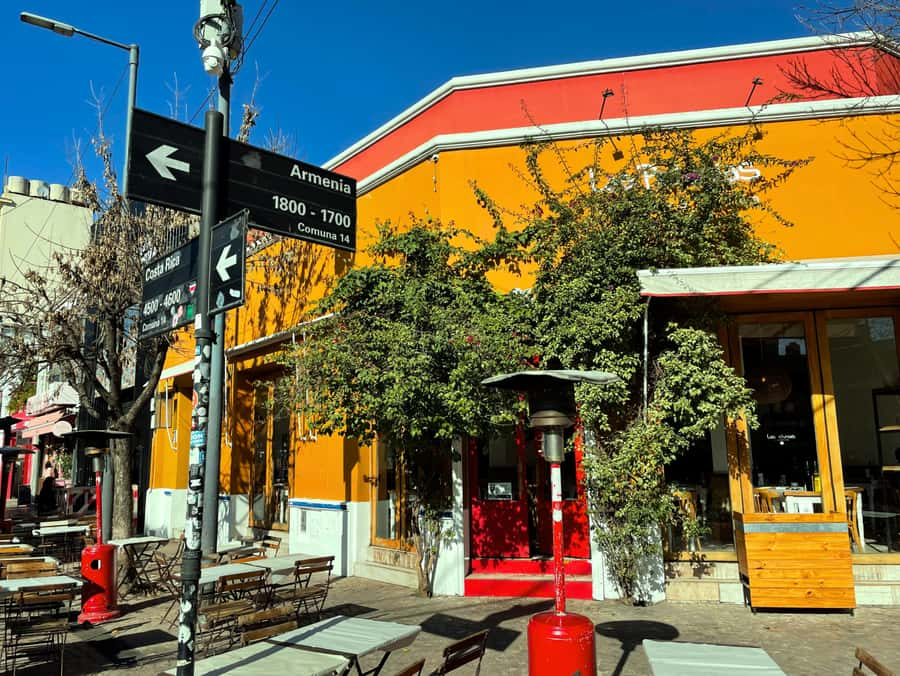
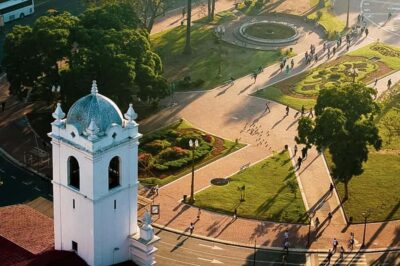
The walk continues toward Plaza Inmigrantes de Armenia, one of the main food areas in Old Palermo. Here, the guide discusses the international forces that helped shape Buenos Aires.
The plaza gives the tour a useful change of pace. You are not sampling food at every minute. You are also seeing how restaurants, streets, and public spaces fit into the neighborhood’s social life. That makes the walk feel more like an introduction to Palermo than a string of disconnected bites.
The route covers Old Palermo and later Palermo Soho, so comfortable shoes are sensible. The experience is a walking tour, not a seated tasting menu. You should be ready to move between stops and stay with the group.
A toast to Eva Perón
At a quick stop along the route, you raise a glass to Eva Perón, one of Argentina’s most famous political and cultural figures. The drink is part of the included refreshments, which also feature Basque cider, water, and yerba mate.
This stop adds a human face to the city’s national story. Eva Perón remains a powerful figure in Argentina, and a brief toast gives the guide a natural opening to explain her place in public life.
The tour does not claim to be a full political history walk, so expect a short food-tour introduction rather than a detailed study of Perón-era Argentina. That balance is sensible for a three-hour outing, especially when food remains the main subject.
Memory, dictatorship, and a stop in Palermo Soho
The group then visits a monument honoring people who fought against Argentina’s dictatorship and discusses Jorge Rafael Videla. This is an important shift in tone. The tour does not present Buenos Aires as only cafes, nightlife, and attractive streets. It also acknowledges a difficult chapter in the country’s recent past.
The stop can help you understand why public memory matters in Argentina. It is a compact history lesson set within a neighborhood walk, and it gives the food stops more context.
Because the tour includes several themes, the amount of time spent at this monument may vary. If you want an in-depth political history tour, this experience is not designed for that. If you want food connected to a broader sense of place, it adds real value.
Choripán on one of Palermo’s coolest streets
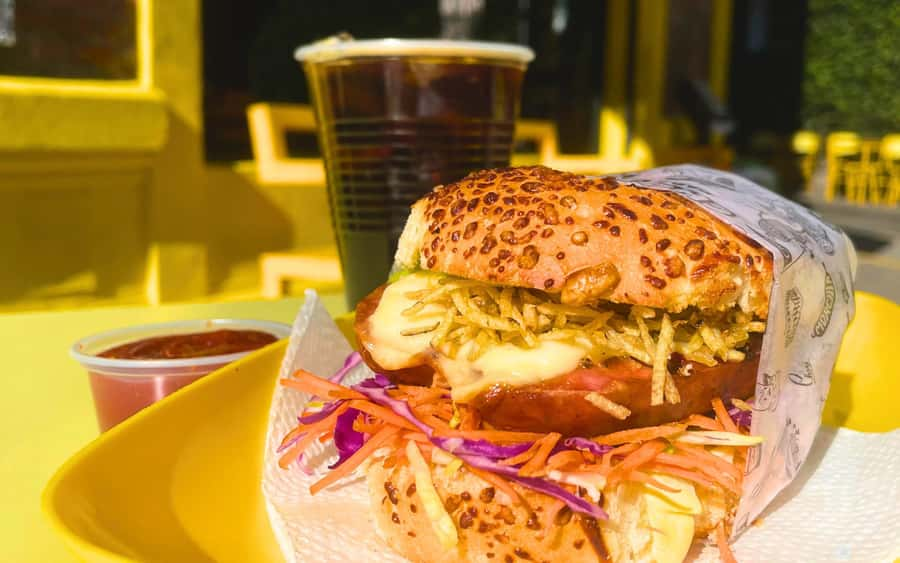
In Palermo Soho, you’ll stop for a choripán at a venue known for a highly regarded version of the dish. Choripán is a simple idea: grilled chorizo served in bread. The quality comes from the sausage, the grilling, the bread, and the sauces.
This is a good contrast to the steak. Parrilla shows off a major Argentine meal, while choripán is more casual and streetwise. I like having both in the same tour because they show two different ways Argentine meat culture reaches the table.
The stop is also useful for understanding Palermo Soho’s food scene. You get to try a dish that is easy to order later, then return to the area if you want another look at its restaurants and shops.
The menu calls this a worldwide award-winning choripán, but awards alone do not guarantee that every diner will love it. If you prefer subtle food, sausage with sauces may feel heavier than the earlier tastings. For most visitors, though, it is one of the most recognizable foods on the route.
Alfajores and the final sweet bite
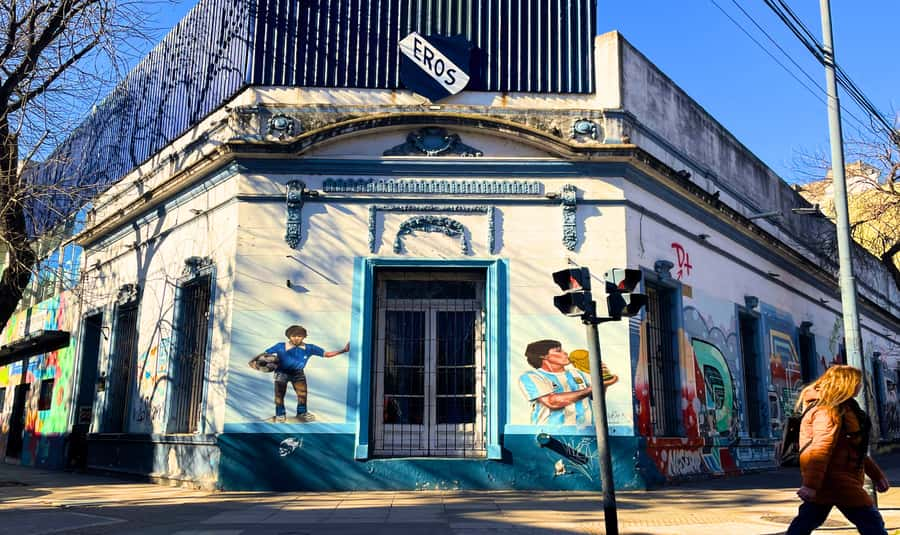
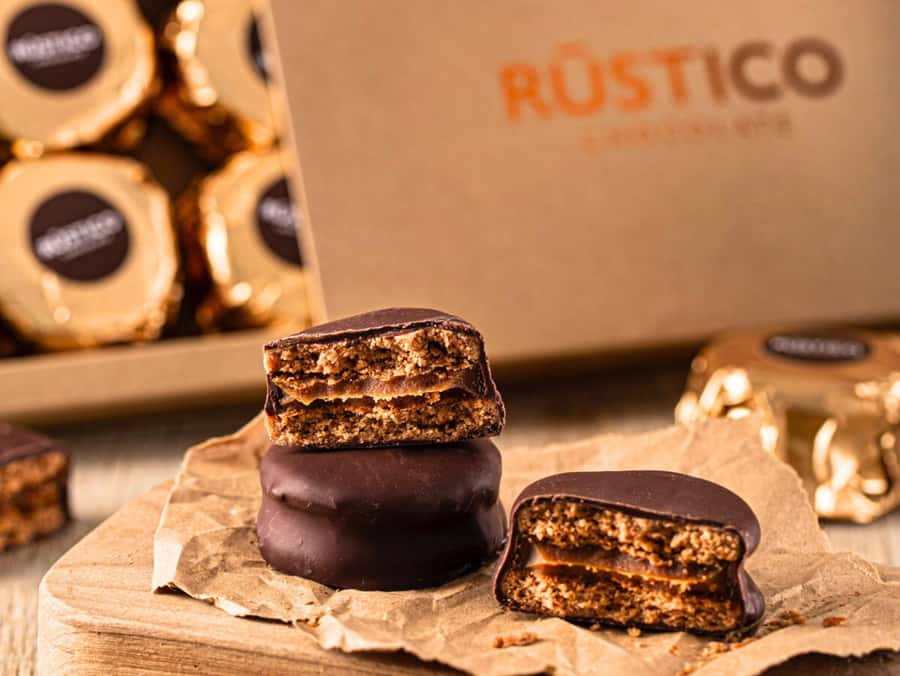
The final tasting is a handmade alfajor, Argentina’s best-known dessert. This version is made by local chocolatiers, with 99 percent of its ingredients sourced from Argentina.
An alfajor is an ideal ending for a food walk because it is small, portable, and easy to compare with other versions you may find around the country. The handmade preparation and local sourcing also give the guide something concrete to discuss beyond chocolate and sweetness.
The included menu also lists Argentine cheesecake. Together, the cheesecake and alfajor add a useful dessert pairing: one is a familiar cake-style treat, while the other is a distinctly Argentine snack.
You should not expect a dessert workshop. The appeal is tasting and context, not learning to make alfajores yourself. If you have a sweet tooth, this final stop helps make the $95 cost feel more substantial.
Drinks that make the route feel local
Water is included, along with Basque cider and yerba mate. These drinks matter because they broaden the tour beyond food samples.
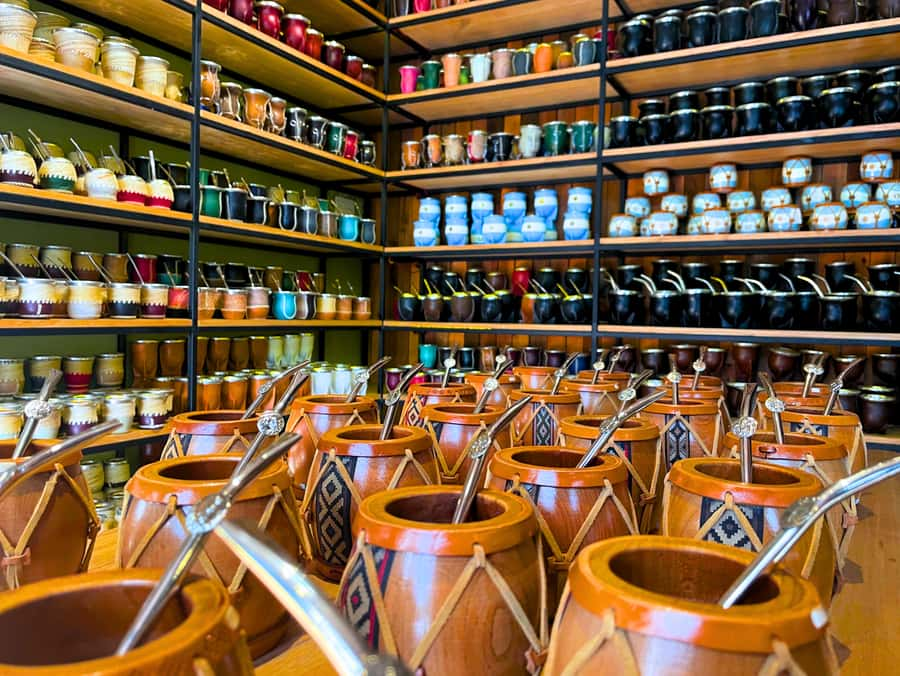
Yerba mate is especially useful for visitors who want a direct introduction to one of Argentina’s best-known social traditions. The tour gives you a chance to try it and hear about its role in local culture.
The cider adds another flavor to the route, while water is a practical inclusion during a three-hour walk. Since the exact order and serving details can change, you should not expect every drink to appear at a fixed minute.
How much value do you get for $95?
At $95 per person, this is not a bargain snack tour. You are paying for a small group, a live English-speaking guide, several food tastings, drinks, and the time spent walking through three parts of Palermo.
The value is strongest if you want a first-day orientation to Buenos Aires food. You can sample several signature dishes, learn the names and customs behind them, and ask the guide where to eat afterward. That last point can be worth a lot in a city with an overwhelming number of restaurants.
Iago is named in the available feedback as a guide who offered useful advice about what to do in Buenos Aires after the tour. That suggests the experience can serve as more than a meal. It may help you plan the rest of your stay.
The value is weaker if you already know Palermo well, dislike group tours, or want a single long meal rather than multiple stops. The route is also less suited to anyone who needs a completely fixed schedule, since tours can run 15 to 30 minutes longer.
The price includes food and drinks, but no hotel transportation. You should budget for your own trip to and from Palermo, along with any extra food or drinks you choose later.
Group size, timing, and practical details
The group is limited to 10 participants, which is a useful middle ground. It is small enough for conversation, but not a private tour. The guide speaks English, and the activity lasts about three hours.
Starting times vary, so check availability before booking. Since food stops and weather can affect the route, keep a little flexibility around the scheduled finish.
Cancellation is free up to 24 hours before the tour for a full refund. You can also reserve now and pay later, which helps if your Buenos Aires schedule is still shifting.
The meeting point is exact and easy to identify:
- Outside the main entrance of 1810 Cocina Regional Palermo
- Julián Álvarez 1998, C1425DHB, Buenos Aires
- Look for the guide with an orange umbrella
The tour returns to this same location, so you can plan a nearby meal, continue exploring Palermo, or arrange transport from there.
Who should book this Palermo food walk?
I would recommend it most strongly to first-time visitors who want a friendly introduction to Argentine food without spending several nights guessing what to order. The mix of parrilla, choripán, empanadas, desserts, and drinks gives you a broad first taste.
It also suits people who enjoy history in small portions. You will hear about Indigenous heritage, Italian immigration, Eva Perón, and the dictatorship while moving through real city streets. That combination keeps the tour from feeling like a restaurant crawl with facts pasted on afterward.
Food-focused visitors should like the range, especially if steak is a priority. The guide’s local recommendations can also help you plan later meals.
I would think twice if you have serious dietary restrictions, do not eat meat, or need the tour to finish at an exact minute. Contact the provider before booking about dietary needs, and allow for the possibility of a 15 to 30 minute extension.
Should you book the Secret Food Tour: Buenos Aires?
Book it if you want a compact, social introduction to Palermo and Argentine food. The steak, choripán, empanadas, alfajores, drinks, and secret dish give you plenty to taste, while the stops at Plaza Inmigrantes de Armenia, the Eva Perón point, and the dictatorship monument add a wider view of the city.
At $95, it makes the most sense early in your visit, when a local guide can shape the rest of your eating plans. Skip it if you already have Palermo restaurants booked, prefer independent wandering, or need a low-cost food option. For most first-time visitors who value context as much as a full plate, the tour offers a useful and flavorful start.
FAQ
How long does the Secret Food Tour: Buenos Aires last?
The tour lasts about three hours. It can occasionally run 15 to 30 minutes longer.
Where does the tour begin?
It begins outside the main entrance of 1810 Cocina Regional Palermo at Julián Álvarez 1998, C1425DHB, Buenos Aires. The guide carries an orange umbrella.
Where does the tour end?
The activity ends back at the original meeting point.
What food is included?
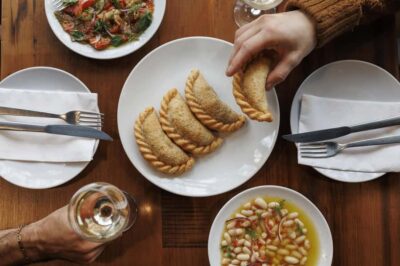
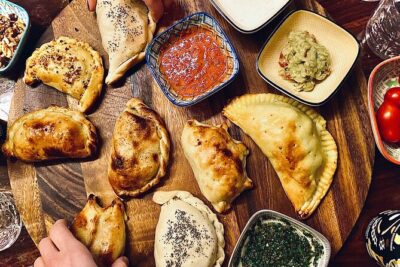
Included tastings are Argentinean cheesecake, fire-grilled steak with chimichurri, special empanadas, a highly regarded choripán, handmade alfajores, and a secret dish.
What drinks are included?
Water, Basque cider, and yerba mate are included.
Is the tour conducted in English?
Yes. The tour has a live English-speaking guide and is limited to 10 participants.
Just added around Buenos Aires
- Tango Show at El Querandi with optional Dinner★ 4.2 · 3 reviews
- Wine Tasting in Buenos Aires★ 4.2 · 4 reviews
- Walking Tour: Buenos Aires bookstores★ 4.3 · 12 reviews
- Private Underground Tango Immersion★ 5.0 · 31 reviews
- Velez Sarsfield Football Match★ 5.0 · 3 reviews
- Unique Tigre and Delta Private Day Cruise Navegation★ 5.0 · 3 reviews
- Transfers from or to the airport In Argentina Your Best Choice★ 5.0 · 28 reviews
- Tour Buenos Aires in one day on Electric Scooters★ 5.0 · 33 reviews
Buenos Aires Food Tours, compared.
Buenos Aires Food Tour: Local Dishes, Steak, Empanada & More
Read our review →
Historical Guided Tour with Street Food & Drinks
Read our review →
BA Flavors Food Tour in San Telmo and Boca With Local Guide
Read our review →
Traditional Argentine FoodTour with optional Michelin Experience
Read our review →
5hs Small Group City Tour of Buenos Aires with Street Food
Read our review →Browse the lists this tour appears in