
Reviewed · FOOD & DRINK
Small Group Tasting to Become a Mate Expert in Buenos Aires
The most useful thing about this mate workshop is that it teaches the ritual, not just the drink. In about 90 minutes, Tomi explains where yerba mate comes from, how it is produced, how Argentines share it, and how to prepare it without making the usual beginner mistakes. You taste several blends, including flavored options, with Argentine sweets on the side.
I like the small maximum of 14 people, which leaves room for questions and a relaxed pace. I also like the hands-on tasting: you do not simply watch a demonstration, you learn how to choose yerba, use the cup and bombilla, and prepare your own mate. The only drawback is that 90 minutes is enough for a strong introduction, not a full study of every regional tradition or historical detail.
Key points at a glance
- Tomi leads the workshop: He explains the drink clearly, answers questions patiently, and keeps the group involved.
- Taste several blends: Try traditional yerbas alongside flavored versions, with Argentine sweets to balance the earthy taste.
- Learn the full ritual: The session covers the meaning of mate, social customs, preparation, and sharing.
- Useful for beginners and regular drinkers: First-timers learn the basics, while experienced drinkers can improve their technique.
- Small-group setting: The group is capped at 14 people, making it easier to ask questions and take part.
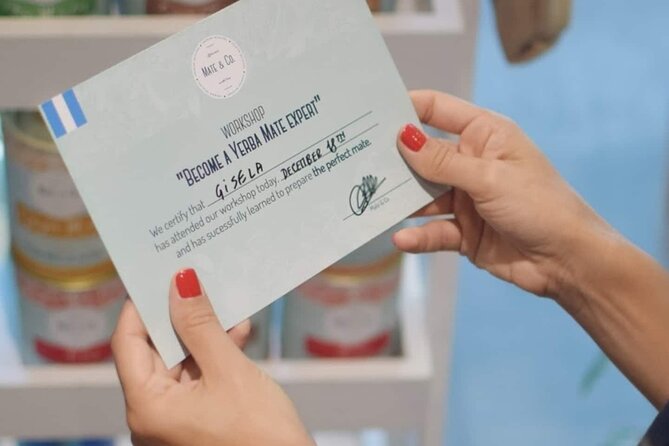
- Take home a diploma: You receive a certificate of participation and discounts at the shop afterward.
Why mate is worth understanding in Buenos Aires
Yerba mate is not simply a hot drink that Argentines happen to enjoy. It is part of daily social life, and the way it is prepared and passed around carries meaning. At this workshop, you learn why one person fills and pours the mate, how the cup moves between people, and why the bombilla is not casually handled.
That context changes the way you see mate in Argentina. Before the class, you may notice people carrying a mate cup and thermos without knowing what the ritual involves. Afterward, you will understand that the cup is often a social invitation, not just personal equipment.
I especially like this part for visitors who want more than a standard city tour. Buenos Aires has plenty of grand buildings, cafés, and busy avenues, but a shared drink offers a closer look at how people connect in ordinary life. The workshop gives you a cultural key you can use during the rest of your trip.
It is also a good choice if your first taste of mate was confusing. The flavor can be bitter, grassy, or smoky depending on the yerba and preparation. You are not expected to love the first blend you try. Sampling several types lets you compare them instead of judging the whole tradition by one cup.
More mate tastings in Buenos Aires:
- Buenos Aires: Group tango class with mate and snacks
★ 4.4 · 44 reviews - Buenos Aires: Mate & paint experience with pastry tasting
★ 5.0 · 19 reviews - Buenos Aires: Mate Workshop y Otras Yerbas
★ 5.0 · 3 reviews
The first lesson: origins, production, and the drink itself
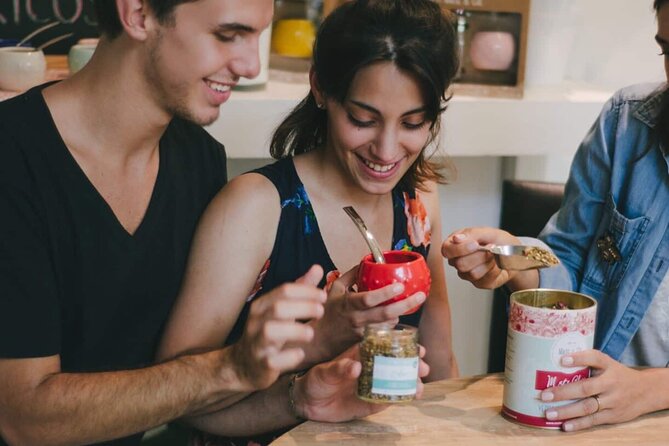
The workshop begins with the basic story of yerba mate. You learn about its origins, how the leaves are cultivated and processed, and why different products on the market can taste quite different.
This section matters because the shelves of a mate shop can be hard to read. Bags may be labeled by brand, blend, flavor, or style, but a beginner may not know what any of those differences mean. The class gives you a framework for choosing yerba once you are shopping on your own.
You also learn about mate’s properties and the different ways people consume it in Argentina and elsewhere. The session looks at levels of consumption, so you get a sense of how central the drink can be in everyday routines rather than treating it as a novelty for visitors.
The history is presented as part of a practical lesson, not as a long lecture. That keeps the pace lively. One small limitation is that anyone hoping for a long, detailed historical seminar may find the time too short. The purpose here is to help you understand and prepare mate, with cultural background supporting that goal.
Cups, bombillas, and the art of choosing yerba
A useful part of the class focuses on the objects needed for mate. You look at cups, straws, and related accessories, including the bombilla used for drinking. You also learn about the curing process for mate cups.
That last point is easy to miss when you buy equipment as a souvenir. A mate cup is not always ready for immediate use in the same way as an ordinary mug. Learning how it is prepared helps you care for it properly and gives you a better sense of why these objects matter within the ritual.
The class also covers the different types of yerba sold in the market. Some are more traditional, while others include flavorings or blends designed for a different taste. The tasting makes these distinctions easier to understand, since you can compare them while the information is still fresh.
For a first-time buyer, this is one of the most practical parts of the experience. You may leave with an idea of which blend suits you instead of grabbing the most colorful package on the shelf. The experience provider also offers discounts in the shop at the end, which can be useful if you want to take home a cup, bombilla, or yerba.
Tasting several blends with Argentine sweets
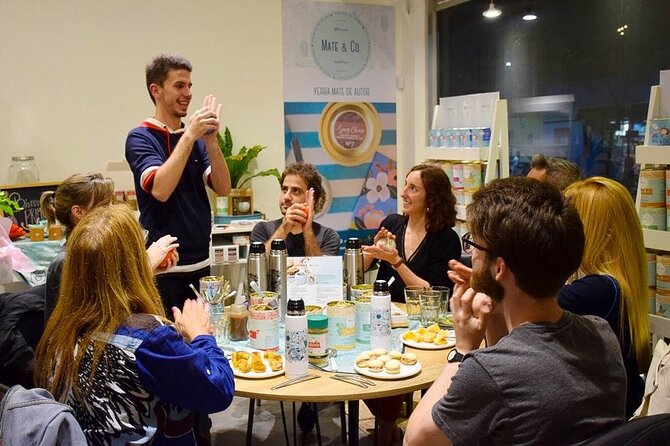
The tasting is the heart of the workshop. You learn how to prepare the perfect mate, then sample the available blends, including traditional and flavored varieties. Argentine sweets are served alongside the drinks.
This approach works well because mate can be an acquired taste. Trying more than one blend helps you notice how the flavor changes. One session includes a chai-style blend among the options, and the range gives you a chance to find a personal favorite rather than accepting a single standard version.
The sweets also have a practical role. Their sweetness offers a contrast to mate’s earthy, bitter character, making the tasting more approachable for first-timers. If you are nervous about trying mate, this is a gentler introduction than receiving an intense cup with no explanation.
You should still expect the drink to taste distinctive. The class does not turn mate into ordinary tea, and that is the point. You learn to appreciate the drink on its own terms, while also discovering which types are easiest for you to enjoy.
The relaxed format is another plus. Tomi encourages questions and keeps the session friendly rather than formal. Families, couples, solo visitors, and groups of friends can all take part. The small size gives you a better chance to ask about taste, preparation, or Argentine customs without waiting through a large crowd.
More food and drink tours in Buenos Aires:
- Buenos Aires: 9-Course Argentine Meat Tasting at Fogón Asado
★ 4.9 · 826 reviews - Buenos Aires: Local Foodie Adventure with Sherpa Food Tours
★ 4.9 · 670 reviews - Buenos Aires: Wine Tasting and Lunch at Bodega Gamboa
★ 4.8 · 177 reviews - Buenos Aires Food Tour: Local Dishes, Steak, Empanada & More
★ 5.0 · 118 reviews
Learning to prepare and share mate
The practical lesson goes beyond simply putting hot water into a cup. You learn the sequence used to prepare mate and the habits that make the ritual work. The goal is to leave able to prepare it for yourself and share it with others.
For someone who has never tried mate, this is the most valuable skill in the workshop. You do not have to guess how much yerba to use, how to handle the bombilla, or how the cup is passed around. The class turns a mysterious local custom into a series of manageable steps.
It is equally useful for people who already drink mate. One participant who had been preparing it independently still learned ways to improve technique and gained a clearer understanding of the social rules. That makes this more than a tourist demonstration.
The social side deserves attention. Mate is a drink to share, and the ritual carries expectations about who prepares it and how it circulates. Understanding those details helps you avoid treating the cup like a private coffee mug. You may not master every custom in one session, but you will know enough to participate with respect.
Tomi’s role is central here. He is described as warm, funny, patient, and easy to approach, with a professional background in mate. He also speaks English, and the experience can be checked for availability in Spanish. That makes the session accessible to international visitors and Spanish-speaking participants alike.
A cultural lesson with a personal feel
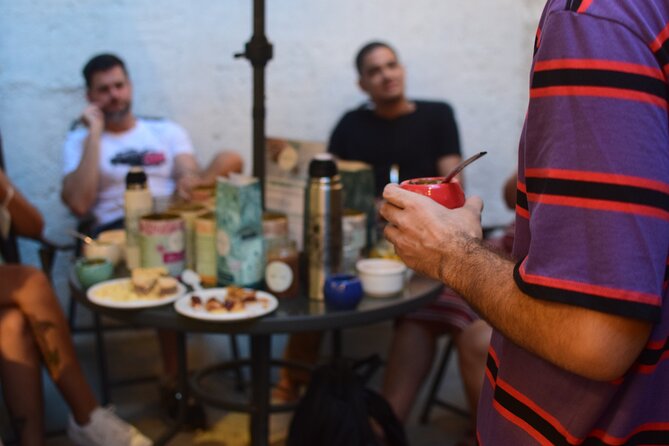
The workshop takes place at Tte. Benjamín Matienzo 1559 in Buenos Aires, and it begins and ends at the same location. It is near public transportation, so you can fit it into a day of exploring without arranging a separate transfer.
The setting is designed for conversation rather than a large staged presentation. The group limit of 14 helps preserve that feeling. You can meet people from different countries, compare reactions to the blends, and ask questions that might not arise in a standard lecture.
I would choose this activity early in a Buenos Aires stay if mate is new to you. The information will make later encounters with the drink more meaningful. You may see it in cafés, homes, parks, or social gatherings, and you will have a better sense of what you are looking at.
It also works well late in a trip, especially if you want a cultural experience that feels more intimate than sightseeing. The diploma gives the class a playful finish, but the real souvenir is the skill. You can bring yerba home and repeat the ritual with friends or family.
Families with older children and college-age travelers can enjoy it, as can couples and solo visitors. The main requirement is curiosity. If you dislike tasting unfamiliar drinks or prefer a fast-moving sightseeing tour, this may feel slow. If you want to understand one of Argentina’s most recognizable traditions, the pace is well judged.
Is $29 a fair price?
At $29 per person, the value is strong for a 90-minute small-group session. You are paying for instruction, several tastings, Argentine sweets, access to a specialist host, and a diploma. You also get the chance to ask questions instead of relying on a brief explanation in a shop.
The price makes particular sense if you plan to buy mate equipment or yerba afterward. Learning about curing, cups, bombillas, and different blends can help you avoid an uninformed purchase. The shop discount may add practical value, although the exact discount amount is not specified.
This is not the cheapest way to sample a drink. You could try mate elsewhere for less money. But a simple cup would not teach you how to prepare it, explain the social ritual, or help you compare several blends.
The group size matters here. With a maximum of 14 people, the session is not private, but it is small enough for participation. You are paying for a guided cultural lesson rather than a quick tasting counter.
Timing, meeting point, and cancellation details
The activity lasts about one hour and 30 minutes. Allow a little extra time around the session so you are not rushing to another reservation, especially if you want to browse the shop or use the closing discounts.
Meet at Tte. Benjamín Matienzo 1559, C1426DAA, in Buenos Aires. The activity ends back at the meeting point, and the location is near public transportation. Confirmation is provided when you book.
Service animals are allowed. The experience requires a minimum number of participants, so if that number is not reached, you will be offered another date or experience, or a full refund.
Free cancellation is available up to 24 hours before the start time for a full refund. Cancellations or changes made less than 24 hours before the activity are not refunded or accepted, and the cut-off follows local time.
Who should book this mate workshop?
I would recommend it most strongly to first-time mate drinkers. You get the background, equipment lesson, tasting, and social rules in one compact session. It removes the uncertainty that can make a new local drink feel intimidating.
It is also a smart choice for anyone interested in food and drink culture. The sweets, blend comparisons, and preparation practice give you more to think about than a simple sample. You leave with a better understanding of why the drink matters.
Regular mate drinkers can benefit too, particularly if they learned informally or outside Argentina. The workshop can refine your preparation and add cultural context. Spanish-speaking participants may also enjoy taking the session in Spanish if availability permits.
I would be less likely to book it for someone who wants a broad Buenos Aires history lesson. Mate is the clear focus, and the 90-minute format cannot cover every part of Argentine culture. The workshop is best when you approach it as a focused introduction to one important tradition.
Should you book it?
Yes, if you want a practical cultural experience at a modest price. The combination of Tomi’s clear teaching, several yerba blends, Argentine sweets, and a small group gives you much more than a token taste.
Book it if you are curious about mate, plan to buy supplies, or want a friendly activity that works for couples, families, solo visitors, and mixed groups. Skip it only if you have no interest in tasting mate or prefer major sights to hands-on local customs. For most visitors, this is a useful and enjoyable way to understand a drink you will see throughout Argentina.
FAQ
Where does the mate workshop take place?
The meeting point is Tte. Benjamín Matienzo 1559, C1426DAA, in Buenos Aires, Argentina.
How long does the experience last?
The workshop lasts approximately one hour and 30 minutes.
What is the price?
The listed price is $29 per person.
How many people can join the group?
The activity has a maximum of 14 participants.
Does the workshop end at the meeting point?
Yes. The activity ends back at the original meeting point.
Is the experience available in Spanish?
Yes. You can check availability for a Spanish-language session.
Will I receive anything at the end?
Yes. You receive a diploma certifying your participation in the workshop.
Are service animals allowed?
Yes. Service animals are allowed.
Can I cancel for a full refund?
You can cancel at least 24 hours before the start time for a full refund. Cancellations made less than 24 hours before the start time are not refunded.
Just added around Buenos Aires
- Tango Show at El Querandi with optional Dinner★ 4.2 · 3 reviews
- Wine Tasting in Buenos Aires★ 4.2 · 4 reviews
- Walking Tour: Buenos Aires bookstores★ 4.3 · 12 reviews
- Private Underground Tango Immersion★ 5.0 · 31 reviews
- Velez Sarsfield Football Match★ 5.0 · 3 reviews
- Unique Tigre and Delta Private Day Cruise Navegation★ 5.0 · 3 reviews
- Transfers from or to the airport In Argentina Your Best Choice★ 5.0 · 28 reviews
- Tour Buenos Aires in one day on Electric Scooters★ 5.0 · 33 reviews
Food & Drink, compared.
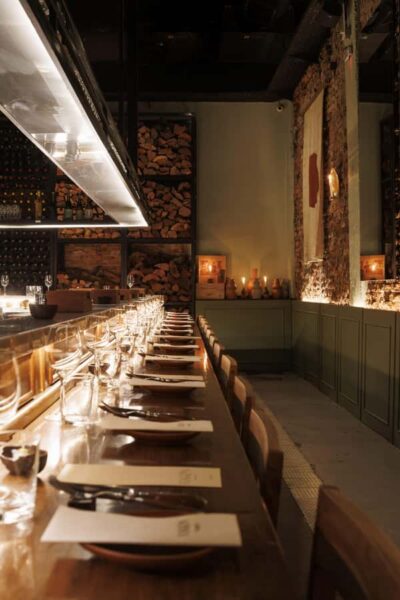
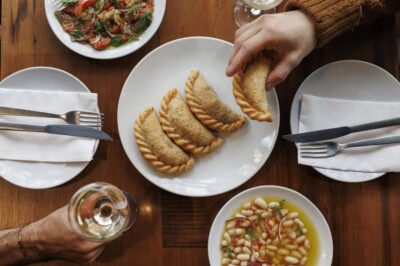
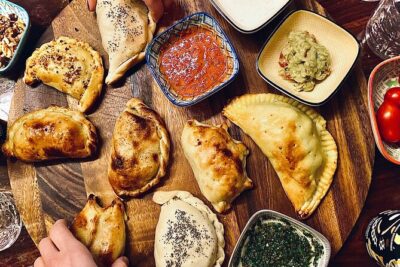
Buenos Aires Food Tour: Local Dishes, Steak, Empanada & More
Read our review →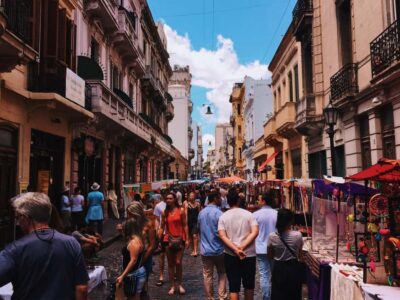
Historical Guided Tour with Street Food & Drinks
Read our review →

BA Flavors Food Tour in San Telmo and Boca With Local Guide
Read our review →
Premium Argentinian Wines and Malbec Tasting Experience
Read our review →Browse the lists this tour appears in