
Reviewed · WORKSHOPS
Buenos Aires: Mate Workshop y Otras Yerbas
Mate is not simply a hot drink in Argentina. It is a social ritual, a welcome, a family habit, and often the first thing offered when you enter someone’s home. This 60-minute workshop in Recoleta gives you a friendly way to understand that ritual without needing to figure it out alone.
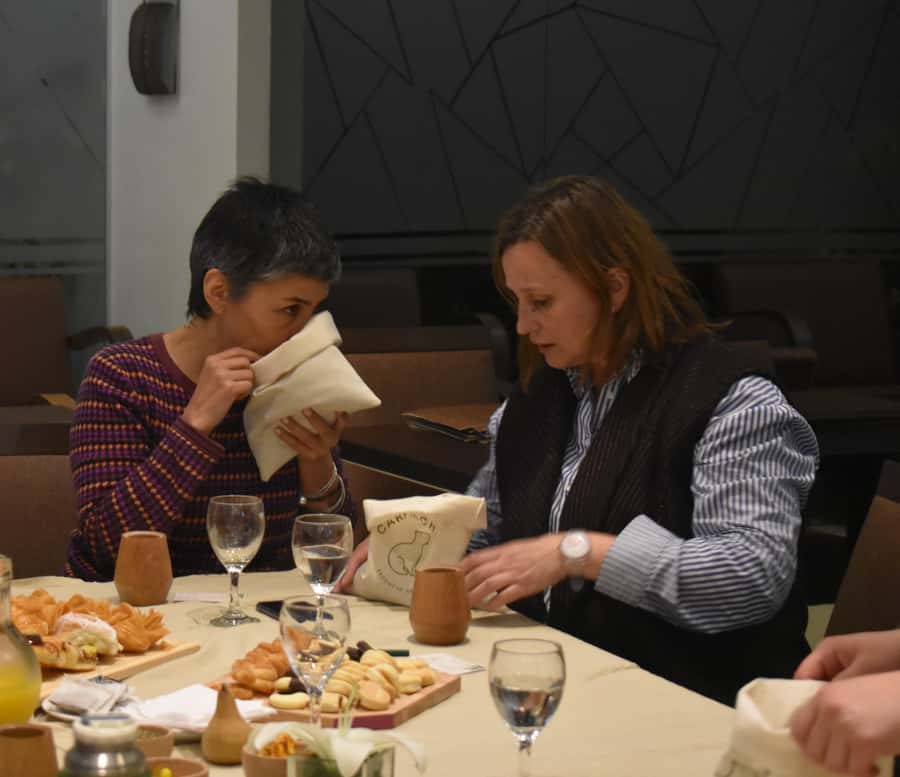
I like two things right away: you taste four types of yerba mate, and you get your own mate to use while learning how to brew it. The pastries are another smart touch. Medialunas, biscochitos, and alfajores turn the lesson into a small Argentine snack break, not a dry classroom talk.
The main limitation is time. One hour is enough for an introduction and tasting, but not for a long technical course on cultivation or every regional custom. At $50 per person, it makes the most sense if you want a personal cultural activity in Recoleta rather than a quick drink demonstration.
Key points to know before booking
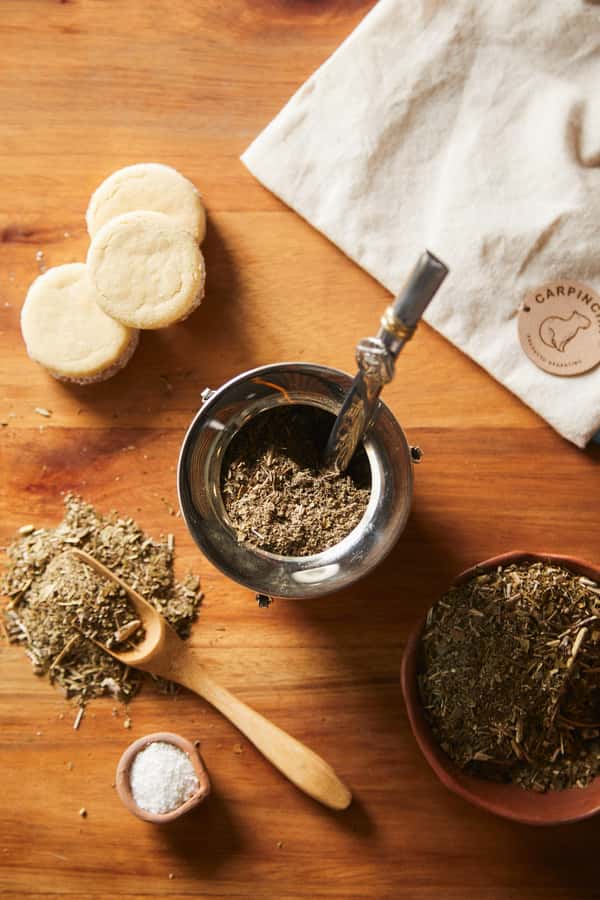
- Four yerba mate varieties: Compare differences in flavor, production, cultivation, and possible herb combinations.
- Vale and Juli lead the session: Carpincha was created to share Argentine customs through stories, rituals, and food.
- You prepare your own mate: Each person receives a mate to use during the meeting and learns basic brewing tips.
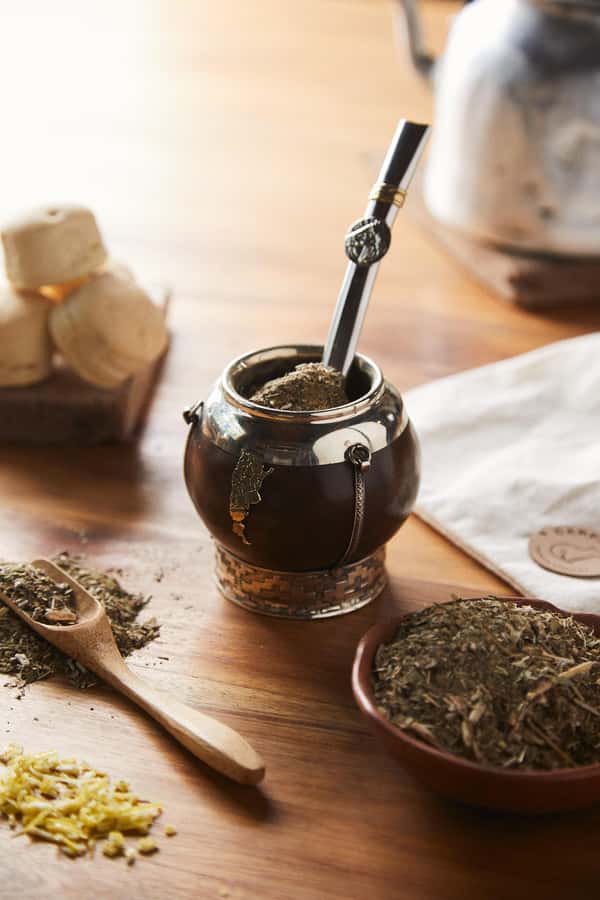
- Pastries are part of the ritual: Medialunas, biscochitos, and alfajores accompany the tasting.
- A small cultural lesson with real context: Expect myths, legends, family anecdotes, and an explanation of mate’s place in Argentine identity.
- Easy Recoleta location: The activity takes place in the Recoleta area and is wheelchair accessible.
Why mate matters beyond the gourd
If you have never tried mate, it can look like a small cup packed with green leaves and topped with a metal straw. That description misses the point. Mate is shared, passed around, and tied to hospitality. The drink is important because of what happens around it.
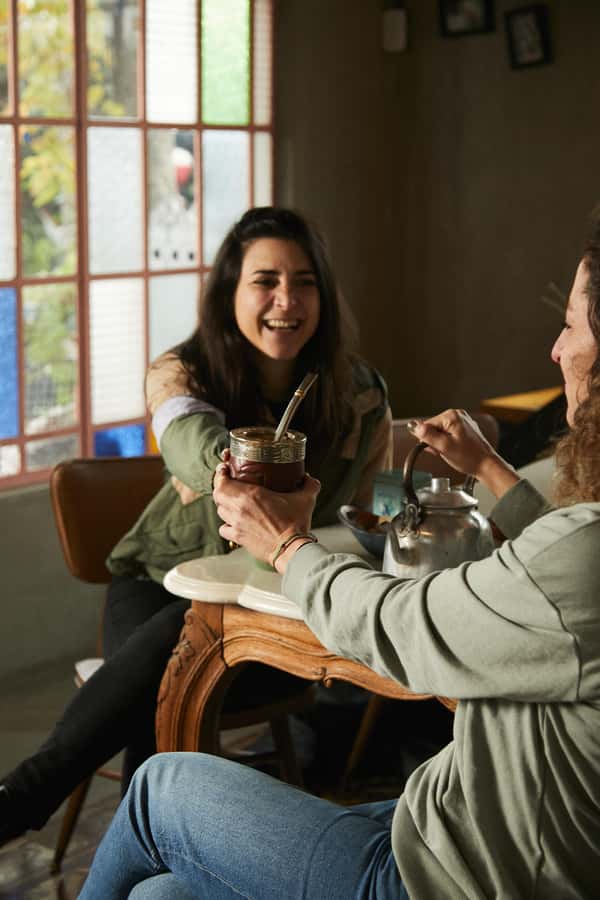
Carpincha’s approach focuses on that human side. Vale and Juli explain the custom as something connected to family stories, national identity, and everyday social life. You learn not only what is in the cup, but why offering some mates can be part of welcoming someone into your home.
That context helps you understand the etiquette. Mate is prepared in a particular way, passed from person to person, and enjoyed slowly. A workshop also gives you room to ask the simple questions that can be hard to ask at a busy café or restaurant.
The hosts use stories, anecdotes, myths, and legends to explain the tradition. One especially useful feature is the connection between mate and personal experience. The activity presents it as a living custom, not a museum object frozen in the past.
More mate tastings in Buenos Aires:
- Buenos Aires: Group tango class with mate and snacks
★ 4.4 · 44 reviews - Small Group Tasting to Become a Mate Expert in Buenos Aires
★ 5.0 · 35 reviews - Buenos Aires: Mate & paint experience with pastry tasting
★ 5.0 · 19 reviews
Meeting Vale and Juli in Recoleta
The session takes place in Buenos Aires Province, in the Recoleta area of the city. Transportation is not included, so you need to make your own way to the meeting point. The exact starting time depends on availability when you book.
Vale and Juli are the creators of Carpincha, a project built around sharing Argentine customs and rituals. Julieta, also referred to as Juli, is described as warm and empathetic, and the hosts are ready to answer questions in clear English or Spanish.
That language choice matters. Mate has many small details, and a short explanation can make the difference between understanding the drink and simply copying a few steps. Some material may be presented in its original language, so English speakers should expect a bilingual cultural exchange rather than an English-only lecture in every moment.
The workshop is wheelchair accessible. Since the meeting lasts only 60 minutes, it can fit neatly into a Recoleta sightseeing day, especially if you want one activity with a slower, more social pace.
The first part: mate history, myths, and Argentine identity
The opening lesson covers the history and importance of mate for Argentines. You learn about its origin, cultivation, and place in daily life before moving into the tasting.
This order works well. If you start with the drink alone, yerba mate can seem bitter, grassy, or unfamiliar. Once you understand its social role, the flavor becomes part of a larger story. You can connect the preparation, the shared cup, and the act of offering mate to the customs being explained.
Expect a mix of practical information and storytelling. The hosts discuss myths and legends, along with anecdotes about Argentine families and their relationship with mate. That personal angle is one of the strongest parts of the activity because it shows how traditions survive through ordinary habits.
The history section is not presented as a long academic course. In one hour, it works as a clear introduction. You will not get every detail about the agricultural industry or a full study of regional differences, but you will leave with enough background to recognize mate as a national symbol and social ritual.
Four yerbas, different flavors, and how they are made
The tasting includes four types of yerba mate. This is where the activity becomes more than a simple cultural talk. Instead of trying one preparation and accepting it as the taste of mate, you can compare several versions.
The session covers variety, cultivation, production, and the origin of yerba mate. Those subjects help explain why one mate may taste stronger, softer, more herbal, or more bitter than another. The supplied herbs are described as high quality, which makes the tasting more useful for comparison.
You also learn about flavor combinations and possible additions. The experience includes the chance to try different yerba mate herbs and combinations, so you can think about what suits your own palate. If your first mate tastes too intense, another blend may be easier to enjoy.
I like this part for practical reasons. A bottle of wine tasting may teach you how to identify grapes, but this session also shows you how a daily drink is prepared and shared. You gain a better chance of choosing yerba mate later, whether you find it in a shop, a café, or an Argentine home.
Do not expect four large drinks. This is a compact tasting within a one-hour class. The point is comparison, not quantity.
More classes and workshops in Buenos Aires:
- Buenos Aires: Empanadas and Alfajores Guided Cooking Class
★ 4.8 · 486 reviews - Buenos Aires: Private Tango Lesson
★ 4.9 · 244 reviews - Buenos Aires: Empanada & Alfajor Cooking Lesson in Palermo
★ 4.6 · 186 reviews - Tango Porteño Show with Optional Dinner and Tango Lesson
★ 4.0 · 97 reviews
Preparing your own mate step by step
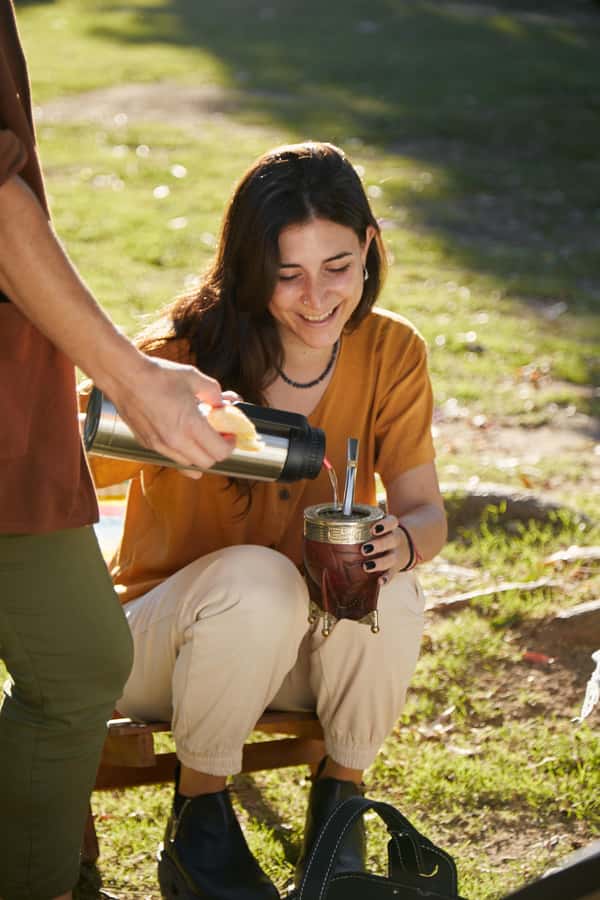
Each person receives one mate to use during the meeting. You learn how to prepare your own drink and receive tips for making a good mate.
That hands-on element is valuable. Mate preparation has enough custom and technique to make a beginner hesitate. A workshop lets you ask what to do, try it, and correct mistakes in the moment. You are not just watching someone else handle the gourd.
The lesson covers the basic preparation and the different yerba choices. The supplied information does not specify every brewing step, so you should expect a practical introduction rather than a detailed professional training session. The aim is to help you understand the process and feel comfortable trying it yourself.
A good result depends on more than putting leaves in a cup. The balance of yerba, water, and preparation affects the drink. The hosts share tips to help you make better mates, giving you something useful to take home beyond the memories and photos.
The mate provided is for use during the meeting. The information does not say that you keep it afterward, so do not book this expecting a souvenir unless the provider confirms that separately.
Medialunas, biscochitos, and alfajores on the side
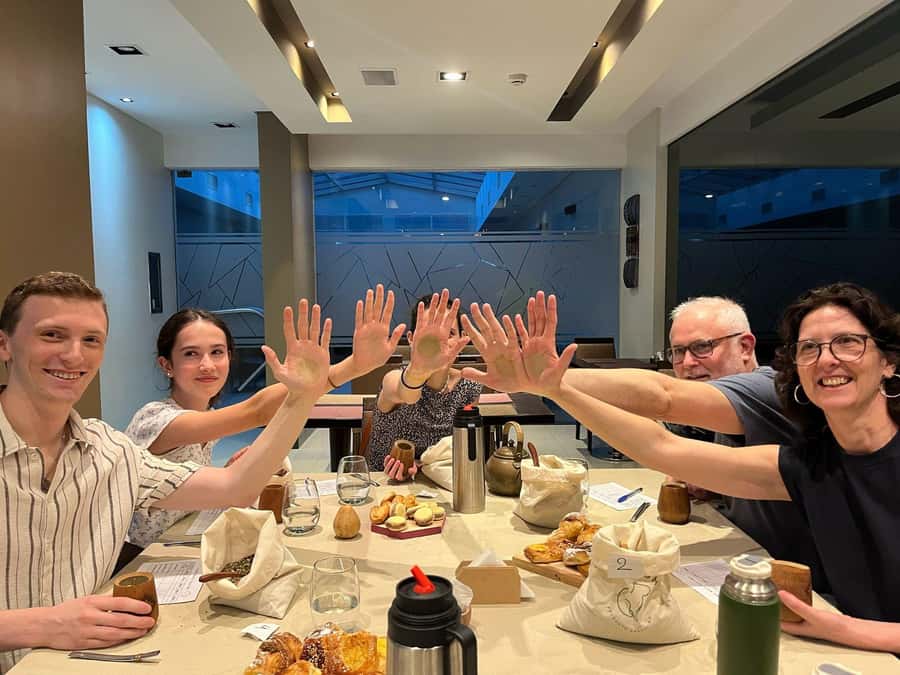
The food pairing gives the workshop a distinctly Argentine rhythm. You share typical pastries such as medialunas, biscochitos, and alfajores while tasting the mate.
Medialunas are Argentine-style sweet croissants. Biscochitos are small biscuits often served with mate, and alfajores are filled cookies that are closely associated with Argentine snacks. Together, they provide different textures and sweetness alongside the herbal drink.
This is not a full meal. The pastries are there to accompany the mateada, the social moment of drinking mate together. You should arrive ready for a snack, not lunch or dinner.
I consider the food a real part of the value, not a decorative extra. Mate can taste sharp if you are new to it, and the pastries make the tasting more approachable. They also show how the drink is enjoyed in ordinary Argentine life, with something simple to eat and time to talk.
The pastry selection was specifically praised for taste and authenticity. That matches the format: the food is familiar, local, and tied to the custom being explained.
What the 60-minute format does well
An hour keeps the experience easy to add to a city itinerary. You can learn the basic story, sample the yerbas, prepare a mate, and share pastries without giving up half a day.
The short duration also gives the session a clear focus. You are not signing up for a broad Buenos Aires food tour or a long agricultural presentation. You are spending one hour on one important Argentine custom.
There is a trade-off. Four yerba varieties, cultivation, history, myths, brewing, and pastries make for a full hour. The pace may feel brisk if you want extended conversation about every herb or more time to practice. The activity works best when you see it as a well-shaped introduction.
The intimate tone is another strength. The French-language account of the experience describes a personal exchange connected to family stories, and the English-language comments highlight clear answers, quality herbs, and delicious pastries. Taken together, that points to a session built around conversation rather than a scripted show.
Is $50 per person a fair price?
At $50 per person, this is not the cheapest way to taste mate. You are paying for a hosted cultural lesson, several yerba samples, one mate per person for the workshop, brewing instruction, pastries, and access to the hosts’ stories and explanations.
The value is strongest for someone who wants context. If you only want to sip mate once, a café or friend may cost less. If you want to know why the drink matters, how yerba differs, and how to prepare it without guesswork, the workshop offers more.
The four-variety tasting helps justify the price. So does the combination of food and instruction. You are not simply receiving a cup and a quick speech. The session gives you a chance to compare ingredients and practice the ritual.
I would also consider the setting and timing. Recoleta is a convenient area for a short cultural stop, and the activity does not require a full day. If your Buenos Aires schedule is packed, a one-hour class can deliver more local context than another passive sightseeing stop.
Still, the price may feel high if you already know mate well or if you are looking for a long, technical workshop. The experience is aimed at curious beginners and culture-focused visitors.
Who will enjoy Carpincha’s mate workshop?
You should consider booking if you:
- Have never tried mate and want an easy introduction.
- Want to understand Argentine hospitality through a local ritual.
- Enjoy food tastings that include history and personal stories.
- Prefer a small cultural activity to a large group excursion.
- Want to learn basic preparation before buying yerba mate.
- Are visiting Recoleta and have one hour available.
- Need an accessible activity with English or Spanish instruction.
It is also a good choice for couples, friends, and families who enjoy sharing food and asking questions. The social format gives you something to do together, and the pastries make it approachable for people who may not love herbal drinks.
You may want to skip it if you dislike bitter or herbal flavors, though the four yerbas and combinations give you some variety. You may also want a different experience if your main goal is a full meal, a long cooking class, or a detailed tour of Argentine agriculture.
Booking details that matter
The experience costs $50 per person and lasts 60 minutes. Meetings take place in Recoleta, and transportation to the meeting place is not included.
Instruction is available in English and Spanish. Some content may be shown in its original language, so the activity is best approached as a bilingual cultural exchange when needed.
You can reserve now and pay later, which helps if you are still arranging your Buenos Aires schedule. Free cancellation is available up to 24 hours in advance for a full refund.
Weapons, sharp objects, alcohol, and drugs are not allowed. The activity is wheelchair accessible.
Should you book this mate workshop?
Book it if you want a direct, social introduction to one of Argentina’s most meaningful customs. The strongest reasons are the four-yerba comparison, the chance to prepare your own mate, and the personal storytelling from Vale and Juli.
I especially like that the session does not treat mate as a novelty. It explains the drink through family habits, hospitality, history, cultivation, and food. At $50, it is best value for a first-time visitor who wants cultural understanding along with the tasting.
Skip it if you already know how to prepare mate and do not need more background. For everyone else, this is a compact and thoughtful way to spend an hour in Recoleta, especially when medialunas, biscochitos, and alfajores are part of the lesson.
FAQ
Where does the mate workshop take place?
The meetings take place in the Recoleta area of Buenos Aires.
How long does the experience last?
The workshop lasts 60 minutes.
How much does the activity cost?
The listed price is $50 per person.
How many types of yerba mate will I taste?
You will taste four types of yerba mate and learn about their variety, cultivation, production, and origin.
Is food included?
Yes. The experience includes typical Argentine pastries such as medialunas, biscochitos, and alfajores.
Is the workshop available in English?
Yes. The instructors speak English and Spanish. Some content may be shown in its original language.
Is transportation included?
No. Transportation to the meeting place is not included.
Just added around Buenos Aires
- Tango Show at El Querandi with optional Dinner★ 4.2 · 3 reviews
- Wine Tasting in Buenos Aires★ 4.2 · 4 reviews
- Walking Tour: Buenos Aires bookstores★ 4.3 · 12 reviews
- Private Underground Tango Immersion★ 5.0 · 31 reviews
- Velez Sarsfield Football Match★ 5.0 · 3 reviews
- Unique Tigre and Delta Private Day Cruise Navegation★ 5.0 · 3 reviews
- Transfers from or to the airport In Argentina Your Best Choice★ 5.0 · 28 reviews
- Tour Buenos Aires in one day on Electric Scooters★ 5.0 · 33 reviews
Workshops, compared.

Tango Porteño Show with Optional Dinner and Tango Lesson
Read our review →
Spanish Group Course in Buenos Aires, Argentina: 20 Lessons
Read our review →
Browse the lists this tour appears in