
Reviewed · PALERMO TOURS
Buenos Aires: Empanada & Alfajor Cooking Lesson in Palermo
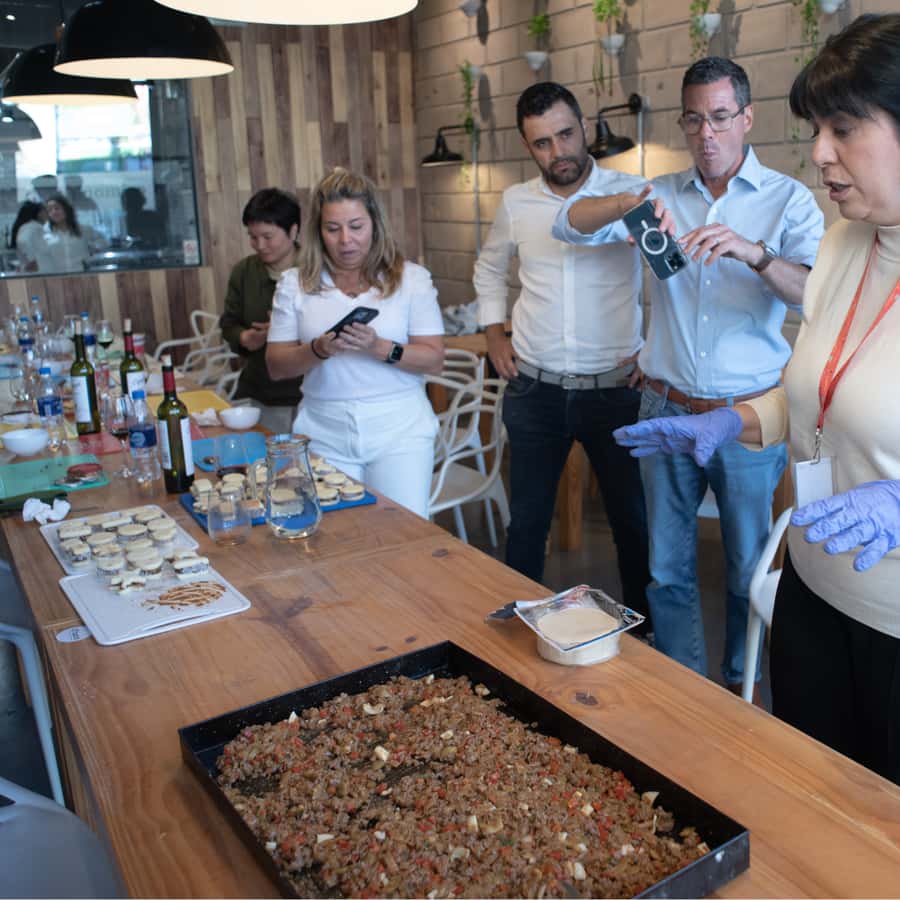
Argentina’s best food lessons start with dishes people actually eat. Here, you make empanadas from scratch and shape alfajores filled with dulce de leche, then sit down to enjoy the results with mate tea and conversation. The guides, including Carolina, Tomás, Catalina, Lourdes, and Paulina, are praised for patient, friendly instruction.
I like the hands-on format, especially for families, and I like that meat and vegan empanada fillings are available. The main consideration is that some steps may be demonstrated rather than handled by every person, particularly in a family group, and the meeting-point address appears as both Gorriti 4882 and Gorriti 4886, so check your booking details carefully.
Key points to know before booking
- Two Argentine staples in 150 minutes: Make savory empanadas first, then bake and assemble dulce de leche alfajores.
- A true cooking lesson: You mix, fill, fold, bake, and taste the food rather than simply watching a chef.
- Meat and vegan choices: The empanada portion can suit different diets, though the activity information does not specify vegan alfajor substitutions.
- Local culture at the table: Mate tea and food customs give the class more context than a basic recipe demonstration.
- Good for families: Children and adults can take part, with several families describing the class as fun and manageable.
- Useful take-home skills: You learn folding techniques, dough comparisons, and recipes you can try again at home.
Why empanadas and alfajores make such a good Buenos Aires lesson
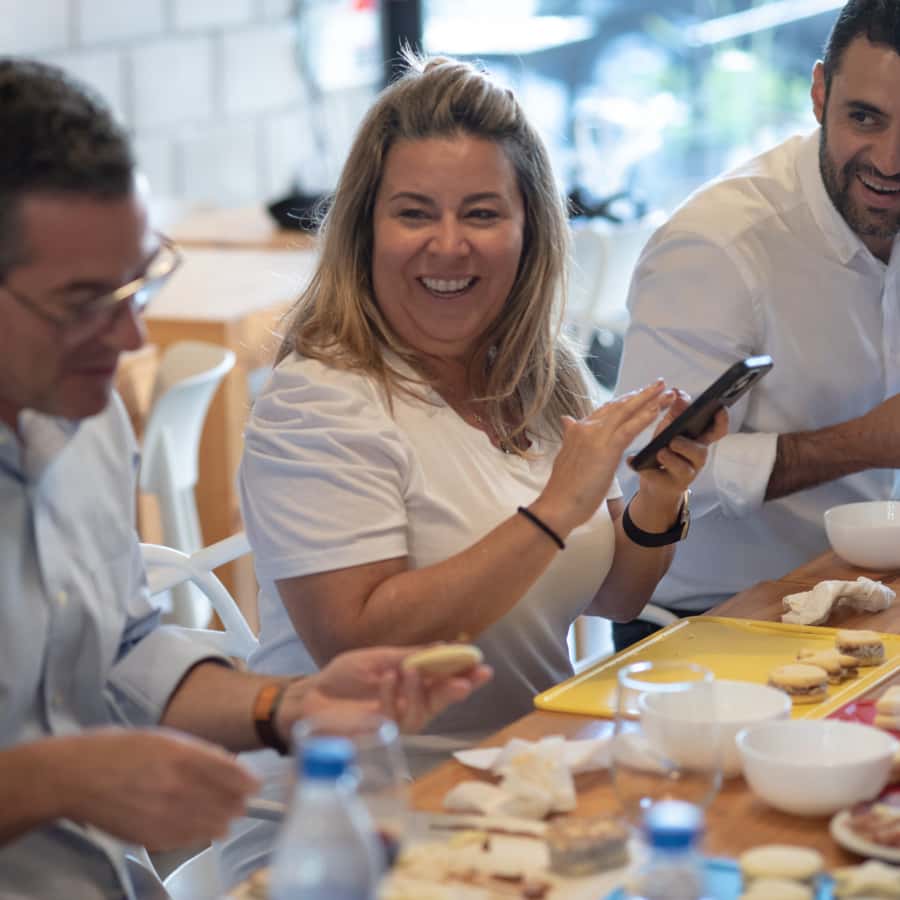
This class chooses two foods that explain Argentina well. Empanadas are practical, portable, and found across the country in many forms. Alfajores are sweet sandwich cookies, usually joined with dulce de leche, and they are one of Argentina’s most familiar treats.
That pairing gives you a useful contrast. You work with savory dough, fillings, and folding techniques, then switch to a sweet dough that needs mixing, baking, filling, and assembly. In one afternoon, you get both a meal and a dessert lesson.
I especially like this choice for a first visit to Buenos Aires. You are not learning an obscure regional dish that will be hard to recreate. You leave with recipes and methods that can fit into an ordinary home kitchen. One participant even taught a family member to make alfajores after returning home.
The experience takes place in Palermo, a convenient Buenos Aires neighborhood for combining food, cafés, shopping, and an evening meal. The class itself lasts 150 minutes, long enough to cook and eat without turning into an all-day commitment.
More cooking classes in Buenos Aires:
- Buenos Aires: Empanadas and Alfajores Guided Cooking Class
★ 4.8 · 486 reviews - Buenos Aires Food Tour: Local Dishes, Steak, Empanada & More
★ 5.0 · 118 reviews - BA: Empanadas and Alfajores Cooking Experience in Palermo
★ 5.0 · 112 reviews
Meeting your guide in Palermo
You meet at Gorriti in Palermo, listed as Gorriti 4882 and, in the practical information, Gorriti 4886. Since those numbers differ slightly, use the address shown on your final booking confirmation and allow a little time to locate the correct entrance.
There is no hotel pickup or drop-off. You make your own way to the meeting point, so this class works best when you are already planning time in Palermo or can comfortably reach the neighborhood from your accommodation.
The guide leads the lesson in English, Spanish, or Portuguese. That range is useful for mixed groups and for families who want a little Spanish practice without having to follow a technical cooking lesson entirely in Spanish.
The individual host can vary. Carolina is praised for explaining each stage and keeping the group involved. Tomás is described as a clear instructor who shared practical cooking tips. Catalina is noted for her patience, warmth, and ability to help people fold the empanadas. Other guides named in the experience include Lourdes, Nyla, Layla, Paulina, and Graciela.
That variety matters because the personality of the instructor shapes a cooking class. You are not just following a printed recipe. You are asking questions, comparing methods, and getting help when your dough or folding technique goes off track.
Making the empanadas, one fold at a time
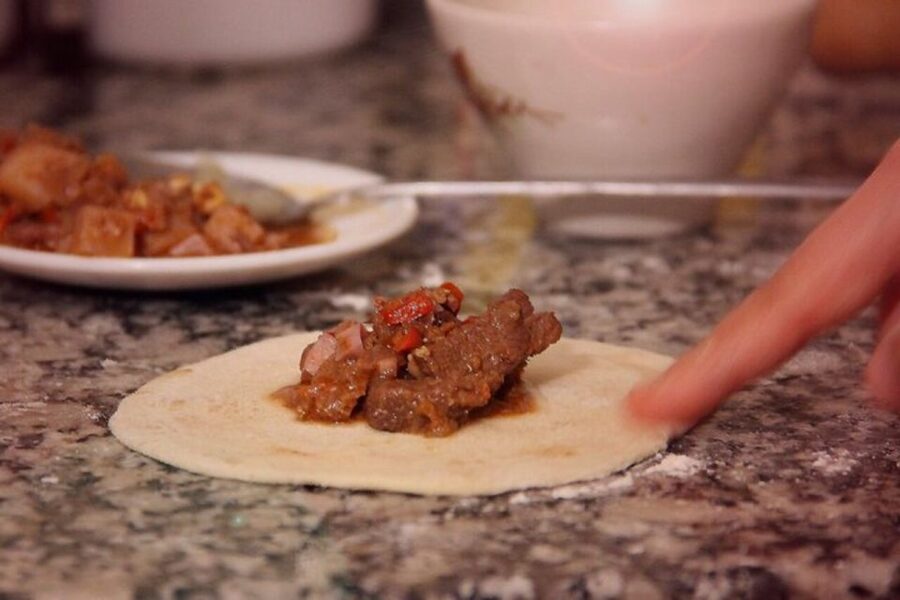
The savory part comes first. Your guide introduces the ingredients and explains how Argentine empanadas are put together. Meat and vegan options are available, making this a reasonable choice for a mixed group with different eating habits.
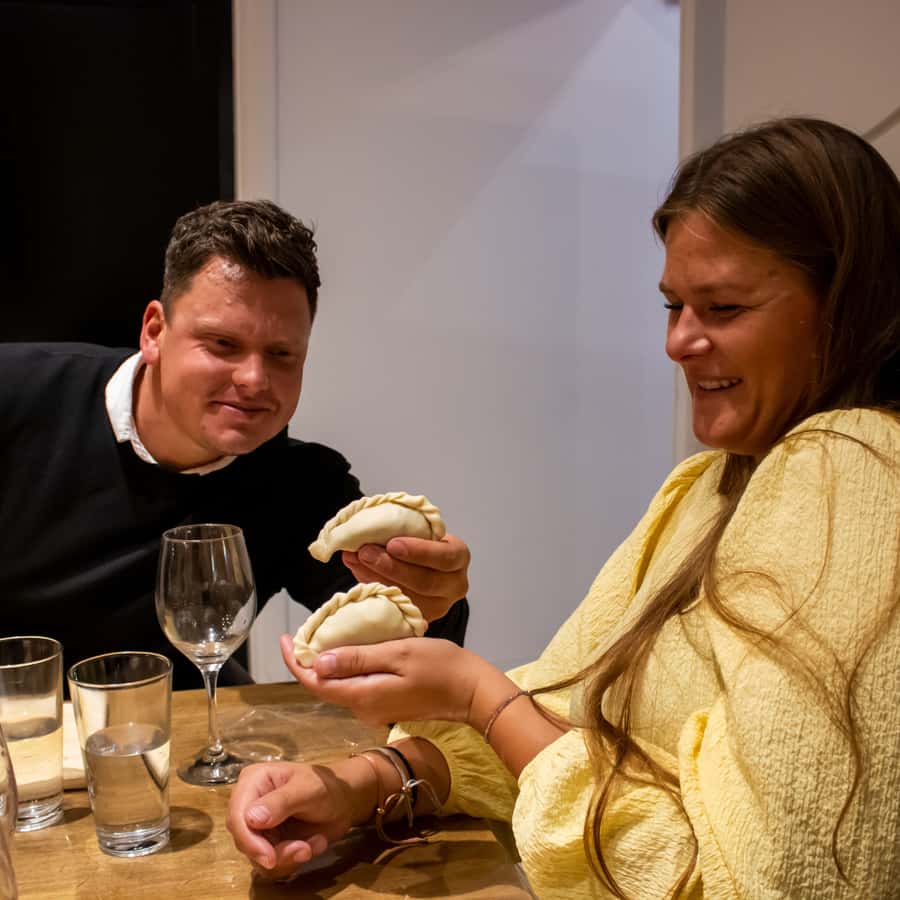
The most engaging step is the folding. A neatly sealed empanada is partly about appearance and partly about keeping the filling inside during baking. You get to practice the characteristic edge, and the instructor helps you when the dough refuses to cooperate.
One useful feature is the chance to compare prepackaged empanada dough with freshly made dough. That comparison gives you a practical answer to a question many home cooks have: do you need to make every part from scratch? You can see the difference in handling and decide how much work makes sense in your own kitchen.
The lesson is designed to be active, but not every person necessarily handles every step. One family found that more people could have cooked during certain portions instead of watching a demonstration. If you are booking with children or a large family, ask the guide how tasks will be divided when you arrive.
That is a minor limitation rather than a deal breaker. Demonstration is useful when the guide needs to show a technique clearly, especially folding or dough handling. Still, if your top priority is constant knife, mixing, and shaping work, mention it early and ask for a task.
The finished empanadas become the savory part of the meal. The class includes the ingredients, so you do not need to shop or bring supplies. You also avoid the common problem of cooking a dish and then having no chance to eat it while it is fresh.
Mixing, baking, and filling the alfajores
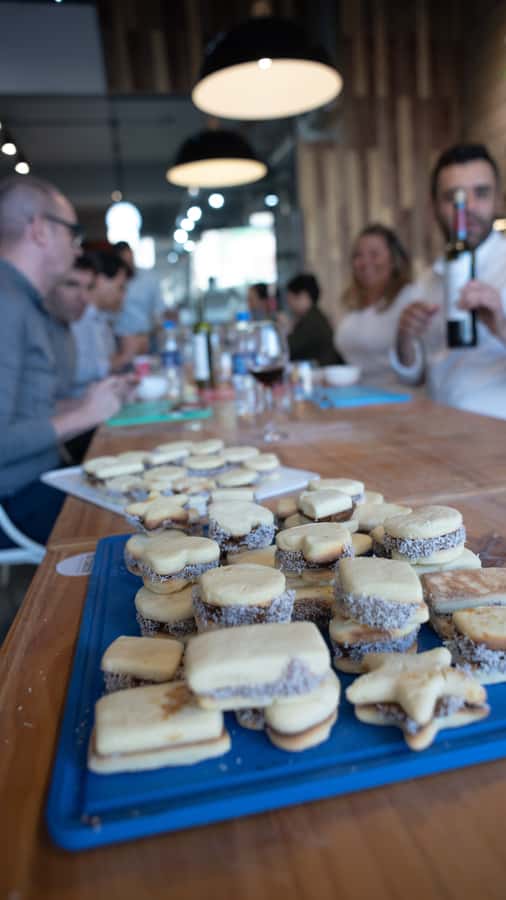
The alfajor lesson follows the empanadas and brings a sweeter rhythm to the class. You mix the cookie dough, bake the pieces, and assemble them with creamy dulce de leche.
The assembly is simple in theory, but the proportions and texture matter. Too much filling can make the cookies difficult to handle, while too little misses the point of an alfajor. A good instructor can show you how to build a cookie that holds together and still gives you plenty of dulce de leche in each bite.
This is a strong part of the experience for children because it has clear stages and an obvious reward. Adults who already cook should still find useful details in the baking and assembly process. One participant who already knew how to make empanadas still learned new things during the class, so it is not limited to complete beginners.
You make the alfajores from the supplied ingredients, rather than receiving finished cookies for a quick tasting. That difference makes the class more valuable. You learn the process behind a food that can otherwise seem like a simple packaged sweet in a shop window.
The alfajores are also the most practical recipe to repeat at home if you have a sweet tooth. The ingredients are familiar, and the method gives you a clear project for a relaxed afternoon. Just remember that the activity description confirms the standard dulce de leche alfajor, not a dairy-free alternative.
More Palermo tours:
- Palermo: Graffiti and Street Art Guided Tour in English
★ 4.8 · 684 reviews - Buenos Aires Bike Tour: North Districts, Recoleta and Palermo
★ 4.5 · 91 reviews - Argentinian Empanadas Cooking Experience in Palermo, Bs As
★ 4.8 · 50 reviews - Cultural Experience by Bike around Palermo and Recoleta Max 6 ppl
★ 5.0 · 44 reviews
Mate tea and the social side of Argentine food
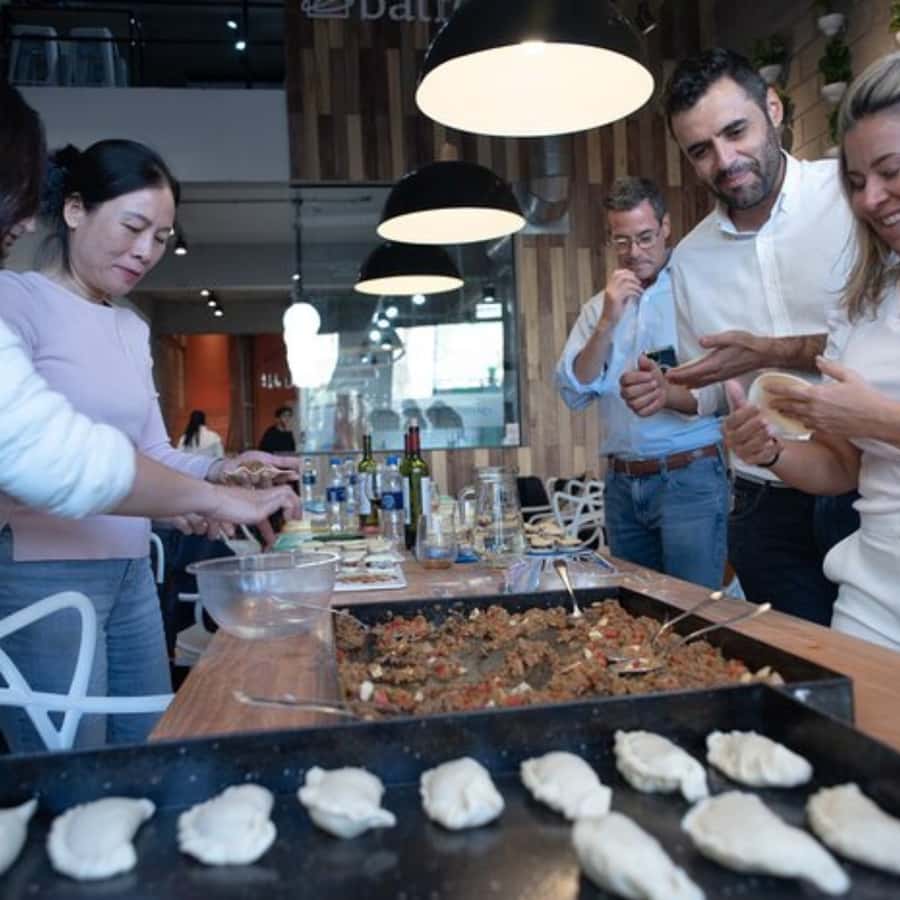
Mate is included, and it adds an important cultural layer. The drink is not presented only as a beverage. It opens a conversation about Argentine habits, hospitality, and the way food and drink bring people together.
That social element helps separate this class from a regular cooking workshop. You are learning why these dishes matter, not just how long to bake them. The food becomes a doorway into daily life in Argentina.
The setting is meant to feel conversational. You cook with the guide and then eat what you have made. Depending on the session, the experience may include easygoing table conversation with people from other countries. The core inclusion is mate tea, so do not book expecting wine to be part of the advertised package, even though some past sessions included it.
I would plan to stay engaged during the meal rather than treating it as a quick tasting. This is the point where you can ask about regional empanada styles, dulce de leche, and Argentine food customs. The exact depth of the cultural discussion depends on the guide, but the format allows for it.
How much food you actually get for $49
At $49 per person, the class is not the cheapest way to eat empanadas and alfajores in Buenos Aires. It can still be good value if you want instruction, a meal, cultural context, and recipes rather than only a plate of food.
The price includes:
- Empanada ingredients
- Alfajor ingredients
- A local instructor
- Mate tea
You also get the time and equipment needed to prepare both dishes. That is important in a city where a restaurant meal may cost less but will not teach you how to reproduce it.
The quantity appears generous. Several participants describe making more than enough food, and some sessions included leftovers to take away. Since portions can vary by group and host, I would think of the class as a substantial snack or light meal, not a guaranteed dinner replacement.
The best value comes if you cook at home. The more likely you are to use the recipes again, the more the fee makes sense. It is also a practical choice for families because one shared activity replaces a few hours of trying to keep everyone entertained.
Who will enjoy this class most
I would recommend the experience to families with children, couples who want a food activity, and solo visitors who enjoy meeting people while doing something practical. The activity is listed as suitable for children, and families with young children have found the format enjoyable.
It also works for people with different cooking backgrounds. A beginner can follow the guide step by step, while a confident home cook can pay attention to dough texture, filling choices, and folding methods.
Vegetarians and vegans should check the exact filling arrangements before booking. A vegan empanada option is available, but the information does not promise vegan alfajores or a fully vegan kitchen. If you have a serious allergy, confirm the ingredients and preparation conditions directly.
The class is less suitable if you dislike shared activities, want a quiet private meal, or expect to cook continuously without demonstrations. It is a social lesson, and the group dynamic is part of the experience.
Wheelchair access is listed, which makes the activity more widely usable. Still, because accessibility can depend on the entrance and interior layout, it is sensible to confirm any specific mobility needs in advance.
Timing, cancellation, and small practical details
The full session lasts 150 minutes. That includes instruction, preparation, baking, assembly, and eating, so do not schedule a museum reservation or long-distance transfer immediately afterward.
You can book in English, Spanish, or Portuguese, and the activity operates in rain or sunshine. Since it is an indoor cooking experience, poor weather should not disrupt the lesson.
Free cancellation is available up to 24 hours before the start time for a full refund. A reserve-now-and-pay-later option is also offered, which helps if your Buenos Aires plans are still changing.
Bring an appetite and a willingness to participate. You do not need to bring ingredients, since those are included. If you want the most hands-on experience possible, tell the guide at the start that you would like to help with mixing, filling, folding, or assembly.
My verdict on the Palermo empanada and alfajor class
You should book this class if you want more than a food tasting. The strongest parts are the hands-on cooking, the patient guides, the generous amount of food, and the chance to learn two recipes that you can make again at home.
I would be especially happy to recommend it for families and first-time visitors to Buenos Aires. It gives children a clear activity, gives adults useful cooking skills, and adds mate and local conversation without requiring a full day.
Book with realistic expectations. This is not a private chef lesson guaranteed to put every guest at a workstation for every minute, and wine is not part of the listed inclusions. Confirm the Gorriti address and any dietary needs before you go.
At $49, the class earns its price when you value the lesson as much as the meal. If you want a friendly, practical introduction to Argentine food in Palermo, this is a solid choice.
FAQ
How long does the Buenos Aires cooking class last?
The experience lasts 150 minutes, including the cooking, baking, cultural discussion, and time to eat what you make.
Where does the class meet?
The meeting point is on Gorriti in Palermo, Buenos Aires. The information gives both Gorriti 4882 and Gorriti 4886, so check your booking confirmation for the exact address.
What foods will I make?
You will make Argentine empanadas and dulce de leche alfajores. The empanadas can include meat or a vegan filling.
Is mate tea included?
Yes. Local mate tea is included, along with the ingredients for both dishes and the local instructor.
Which languages are available?
The live guide can conduct the experience in English, Spanish, or Portuguese.
Is the class suitable for children?
Yes. The activity is described as family-friendly, and children can take part in the cooking lesson.
Is hotel transportation included?
No. Hotel pickup and drop-off are not included, so you need to make your own way to the Palermo meeting point.
Can I cancel for a full refund?
Yes. You can cancel up to 24 hours before the experience for a full refund. A reserve-now-and-pay-later option is also available.
More Classes and Workshops in Buenos Aires
- Buenos Aires: Private Tango Lesson
★ 4.9 · 244 reviews - Tango Porteño Show with Optional Dinner and Tango Lesson
★ 4.0 · 97 reviews - Buenos Aires – Private Tango lesson
★ 5.0 · 96 reviews - Spanish Group Course in Buenos Aires, Argentina: 20 Lessons
★ 5.0 · 72 reviews
Just added around Buenos Aires
- Tango Show at El Querandi with optional Dinner★ 4.2 · 3 reviews
- Wine Tasting in Buenos Aires★ 4.2 · 4 reviews
- Walking Tour: Buenos Aires bookstores★ 4.3 · 12 reviews
- Private Underground Tango Immersion★ 5.0 · 31 reviews
- Velez Sarsfield Football Match★ 5.0 · 3 reviews
- Unique Tigre and Delta Private Day Cruise Navegation★ 5.0 · 3 reviews
- Transfers from or to the airport In Argentina Your Best Choice★ 5.0 · 28 reviews
- Tour Buenos Aires in one day on Electric Scooters★ 5.0 · 33 reviews
Palermo Tours, compared.

Empanadas and Alfajores Cooking Experience in Palermo
Read our review →
Buenos Aires Bike Tour: North Districts, Recoleta and Palermo
Read our review →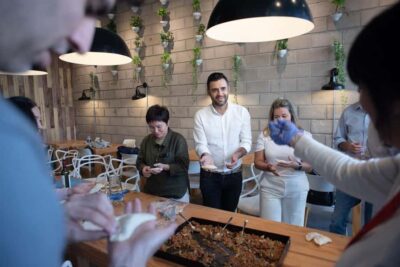
Argentinian Empanadas Cooking Experience in Palermo, Bs As
Read our review →
Cultural Experience by Bike around Palermo and Recoleta Max 6 ppl
Read our review →
Browse the lists this tour appears in