
Reviewed · PALERMO TOURS
Palermo SoHo for curious people
Palermo SoHo looks polished at first glance: designer shops, sidewalk cafés, famous parrillas, and bakery windows made for photos. This walk asks what lies behind that image, tracing the neighborhood from its railway and tram roots to its present life as one of Buenos Aires’ most fashionable districts. I especially like the focus on immigration and the frank discussion of gentrification. You are encouraged to question Nico, not just follow him in silence.
The tour also gives you two useful things many neighborhood walks skip: a plain explanation of Argentina’s peso and exchange-rate problems, plus a look at how real estate speculation helped reshape Palermo. The main consideration is pace. Two hours covers many stops, so some places receive only a few minutes, and the experience suits curious walkers more than people seeking a long stop at every landmark.
Key points at a glance
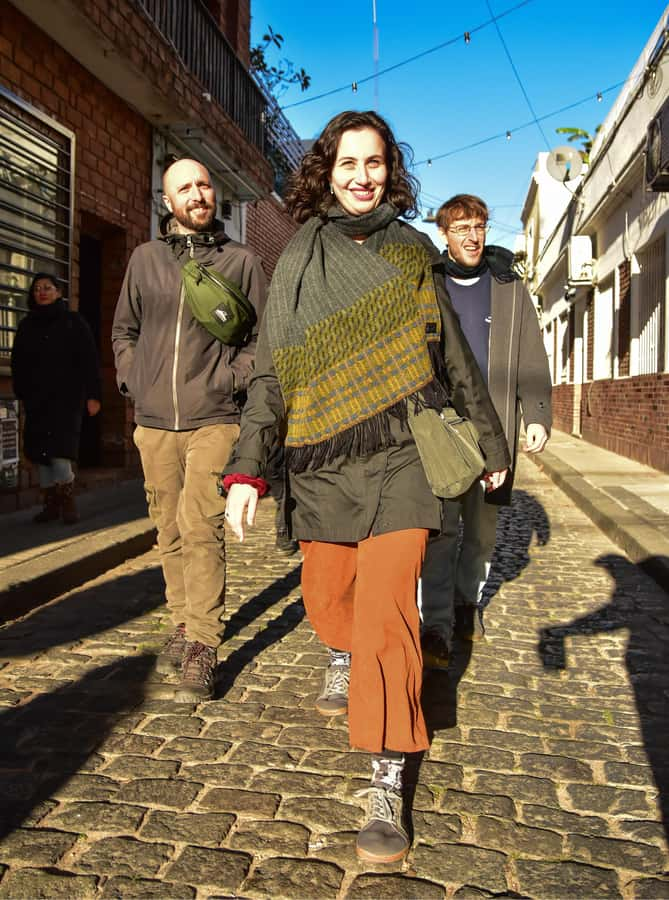
- A university-trained guide named Nico leads the walk: His style is informative, humorous, and open to questions.
- The route links old Palermo to modern SoHo: You move from Puente Pacífico and railway-era development toward Plaza Serrano.
- Immigration is central to the story: Ukrainian, Polish, Armenian, and other community connections appear along the way.
- Gentrification is discussed directly: The tour explains how shops, restaurants, property prices, and visitors changed the area.
- You get a useful Argentina briefing: Peso devaluation and the country’s two exchange rates are part of the conversation.
- The $25 price buys a small-group cultural discussion: It is good value if you want context, not just a stroll past pretty streets.
Why Palermo SoHo needs more than a café guide
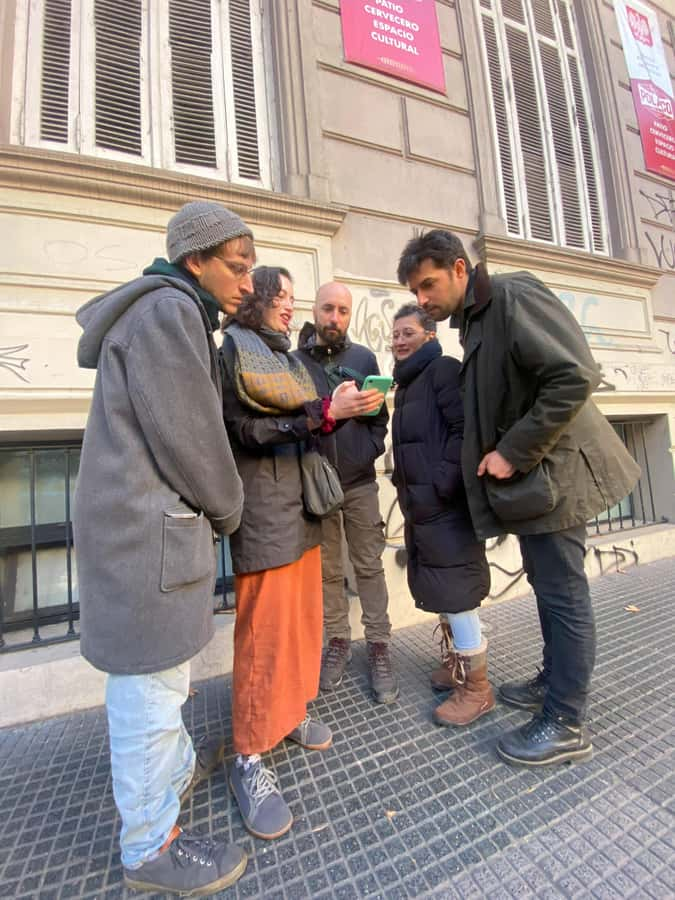
Palermo SoHo is easy to enjoy without knowing anything about it. You can eat at El Preferido de Palermo, look for a table near Don Julio Parrilla, browse side streets, and end at Plaza Serrano. Yet the neighborhood can feel like a polished brand if you only see its current shops and restaurants.
This walk gives you a different way to read the area. Instead of treating Palermo as a fixed attraction, Nico presents it as a place that changed with transport, immigration, housing, currency shifts, and commercial fashion. That approach matters because the word SoHo suggests a trendy district, while the streets themselves hold older layers that are less obvious.
You will not simply hear dates and names. The format is built around questions. Why did people first settle here? What did the train and tram change? When did Palermo become SoHo? How did devaluation affect property and business? Those questions make the walk useful for anyone who wants to understand Buenos Aires beyond its famous sights.
I also like the balance between broad ideas and physical places. A discussion about gentrification is more useful when you are standing near fashionable restaurants and converted-looking streets. A talk about immigration has more force when you are taken to community organizations and a plaza named for immigrants.
More Palermo tours:
- Palermo: Graffiti and Street Art Guided Tour in English
★ 4.8 · 684 reviews - Buenos Aires: Empanada & Alfajor Cooking Lesson in Palermo
★ 4.6 · 186 reviews - BA: Empanadas and Alfajores Cooking Experience in Palermo
★ 5.0 · 112 reviews
Starting at Distrito Arcos and reaching Puente Pacífico
The meeting point is by the amphitheater at Distrito Arcos, next to the Montagne store. This is a practical starting point because it gives the group a clear landmark, though one participant had difficulty finding it. If you are unfamiliar with Palermo, allow extra time and use the map link supplied when booking.
From there, the route moves toward Puente Pacífico. The bridge receives about 15 minutes of guided attention and helps set up the neighborhood’s connection to transport and city growth. Here, the story is not only about what you see but also about how people reached Palermo and why infrastructure helped shape the district.
That opening is important. Many city walks begin with a famous building and work outward. This one begins with movement and development. You start thinking about Palermo as part of a wider urban system, not just a shopping quarter.
Polo Científico Tecnológico and the modern city
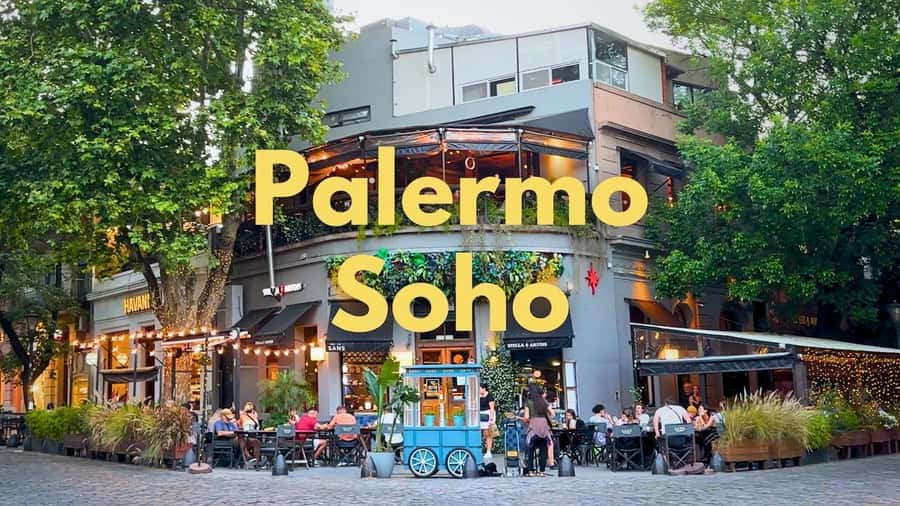
The next major stop is Polo Científico Tecnológico, with about 20 minutes of explanation. The site provides a useful contrast with the older community and transport stories. Palermo is not frozen in a past of railway lines and immigrant settlement. It also contains modern institutions tied to science, technology, and Argentina’s changing ambitions.
For you, this is one of the longer stops, so expect more than a quick photo pause. The guide can connect the site to the question of what the neighborhood is becoming. That question is at the heart of the walk: when a district attracts investment and new institutions, who benefits, and what gets pushed aside?
The tour does not present change as automatically good or bad. You are invited to discuss it. That makes the experience more useful than a simple claim that Palermo is trendy or expensive. You get a framework for thinking about why the area looks as it does.
Pasaje Emilio Zola and the value of side streets
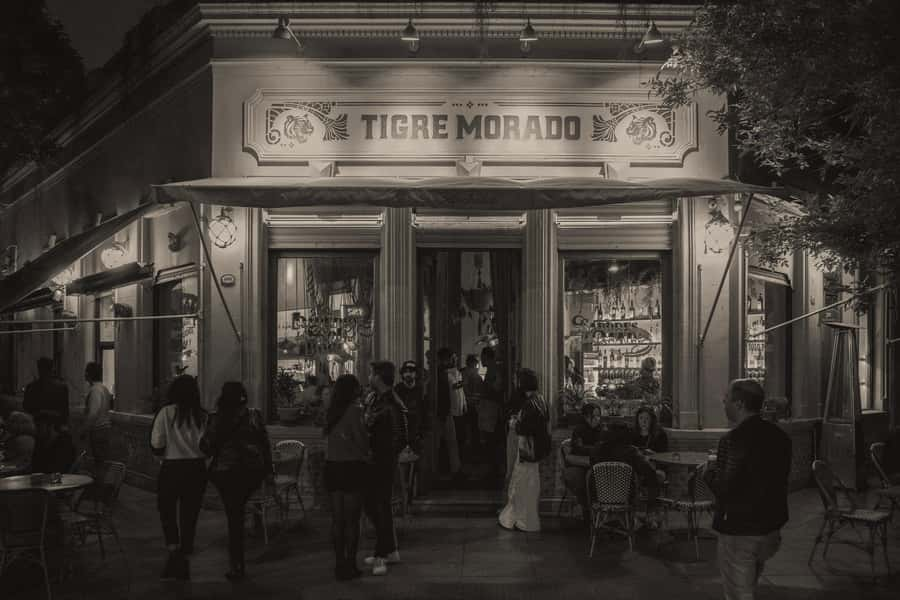
Pasaje Emilio Zola receives about 10 minutes. A passage such as this helps break up the major avenues and gives the group a closer look at the smaller-scale spaces of Palermo.
The value here is not necessarily a single spectacular landmark. It is the chance to notice how a neighborhood is experienced from the ground. Side streets can show a different rhythm from the main commercial routes, and they help explain why Palermo SoHo feels like a collection of pockets rather than one formal attraction.
This is also where the tour’s conversational format works well. You can ask how side passages fit into redevelopment, property speculation, or the neighborhood’s growing appeal. Since the walk moves on a schedule, do not expect a long exploration of every corner, but you should get enough context to return on your own.
Same city, an entirely different evening:
- Buenos Aires Hop-On Hop-Off Bus, Free Walking Tours & Discounts
★ 4.5 · 2,218 reviews - Buenos Aires: Piazzolla Tango Show with Optional Dinner
★ 4.4 · 2,122 reviews - Buenos Aires: City Highlights Guided Tour with Transfer
★ 4.7 · 1,946 reviews - Buenos Aires: Hop-On Hop-Off City Bus Tour
★ 4.2 · 1,855 reviews
Ukrainian and Polish roots in a fashionable district
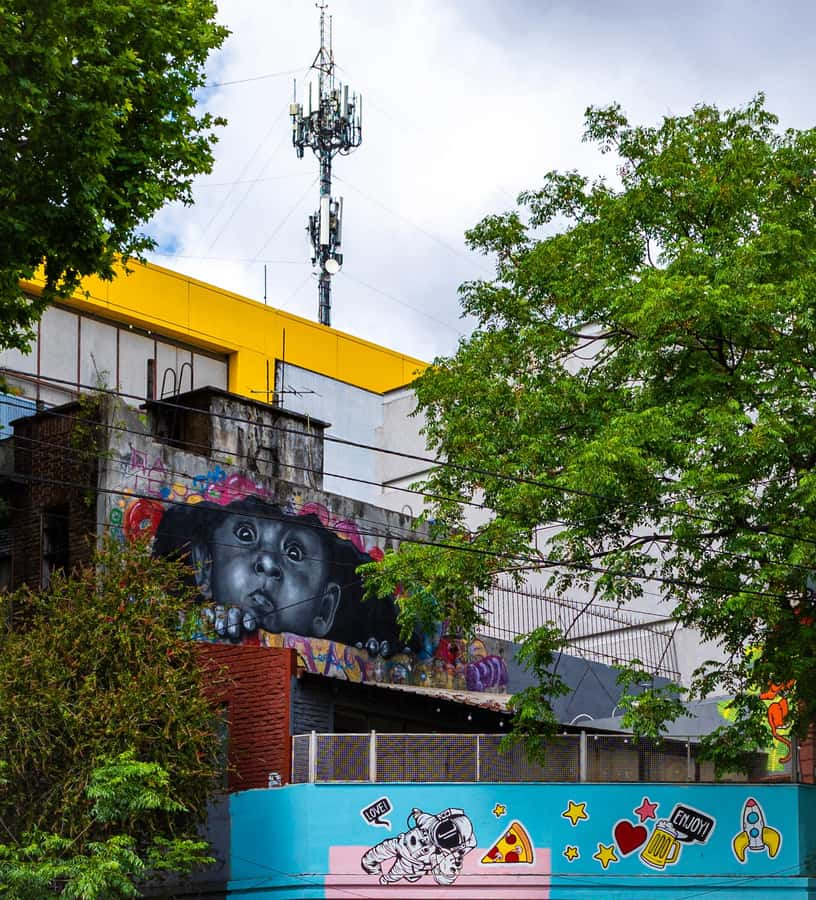
A visit to the Asociación Ucrania de Cultura PROSVITA takes about 15 minutes. This is one of the most distinctive parts of the route because it brings immigration into a neighborhood often presented through food, fashion, and nightlife.
The organization points to the communities that helped give Palermo its social character before the SoHo label became popular. You are encouraged to think about who lived here first, which institutions they formed, and how community identity can continue alongside commercial change.
The route later passes Klub Polaco, another reminder that Palermo’s story includes more than one immigrant group. These stops are especially valuable if you want to understand Buenos Aires as a city shaped by arrivals from many places. The tour does not reduce immigration to a decorative theme. It treats it as part of the neighborhood’s foundation.
The distinction matters. A café or restaurant can borrow an international identity for marketing, but a cultural association reflects organized community life. That difference gives the walk a stronger social focus.
El Preferido, Don Julio, and Palermo’s famous food scene
El Preferido de Palermo receives only about five minutes, followed by a visit near Don Julio Parrilla for another five minutes. These short stops connect the social story to two of the area’s best-known food names.
You should not expect a full meal, tasting, or restaurant tour. The purpose is to place Palermo’s food culture within the larger process of change. Restaurants help make the area attractive, but they also show how a local district can become a destination for outside visitors and investment.
Don Julio, in particular, represents the powerful pull of the Buenos Aires parrilla. El Preferido adds another recognizable name to the route. Their presence raises a practical question: how much of Palermo’s current identity comes from long-standing local life, and how much comes from the newer market for fashionable dining?
These are brief stops, so plan your meal separately. If you want to eat at either restaurant, the walk does not replace a reservation or a dedicated dining visit.
ACILBA, Plaza Inmigrantes de Armenia, and the immigrant story
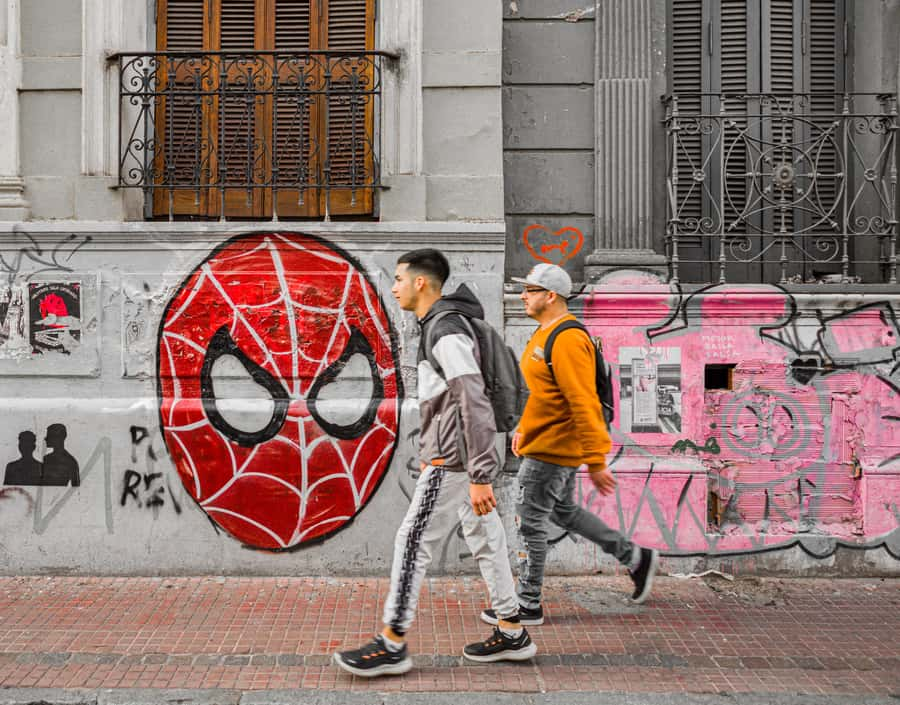
The group passes ACILBA before spending about 10 minutes at Plaza Inmigrantes de Armenia. Together with the Ukrainian and Polish references, this section gives immigration real weight in the tour.
The plaza helps make the theme visible in public space. Names matter in a city, and a place dedicated to immigrants says something about how different communities are remembered. Nico can connect the plaza to the wider question of Palermo’s early inhabitants and the identities that existed before the neighborhood’s current commercial image.
This part should appeal to you if you prefer social history to a checklist of monuments. There is no promise of a grand museum visit or a long archival lecture. Instead, the neighborhood itself becomes the material, with community organizations, names, restaurants, and streets serving as clues.
I find this approach more rewarding than a standard sightseeing route because it gives you questions to carry into the rest of Buenos Aires. When you see another community center or immigrant-named street, you may look at it with more attention.
Helados Italia and a useful pause
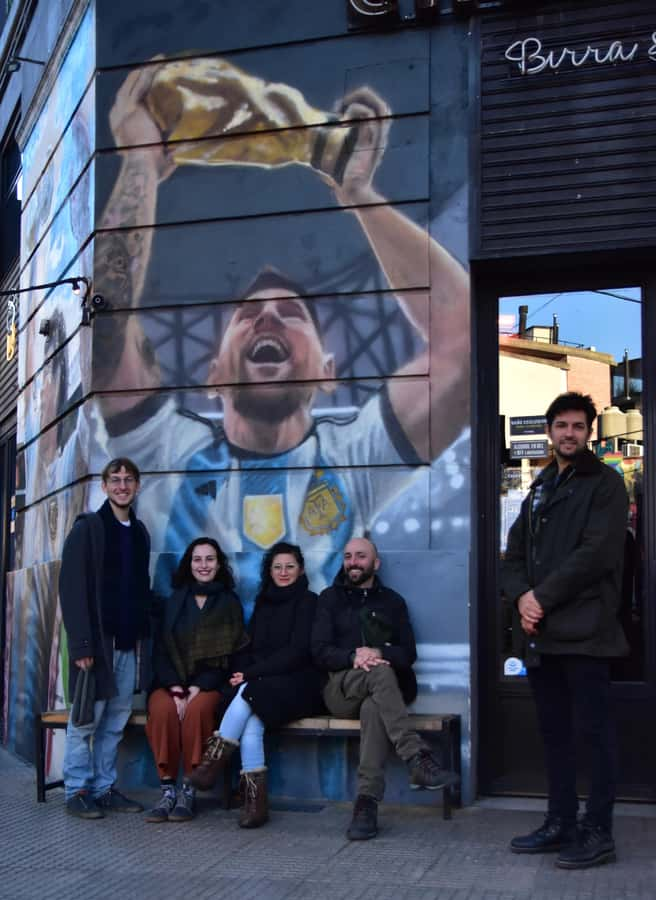
After the plaza, the walk stops at Helados Italia for about 15 minutes. This is the scheduled break, and it gives the group a chance to rest, chat, and continue the discussion in a less formal setting.
The pause is practical. Two hours on foot can feel long, especially if you are visiting during warm weather. It also fits the tour’s design: this is meant to be a conversation, not a continuous lecture.
Do not read the stop as an included tasting or meal. The information confirms a break at the ice cream shop, but it does not promise food or drinks as part of the price. Treat it as time to pause and make your own purchase if you wish.
Pasaje Russel and the final walk to Plaza Serrano
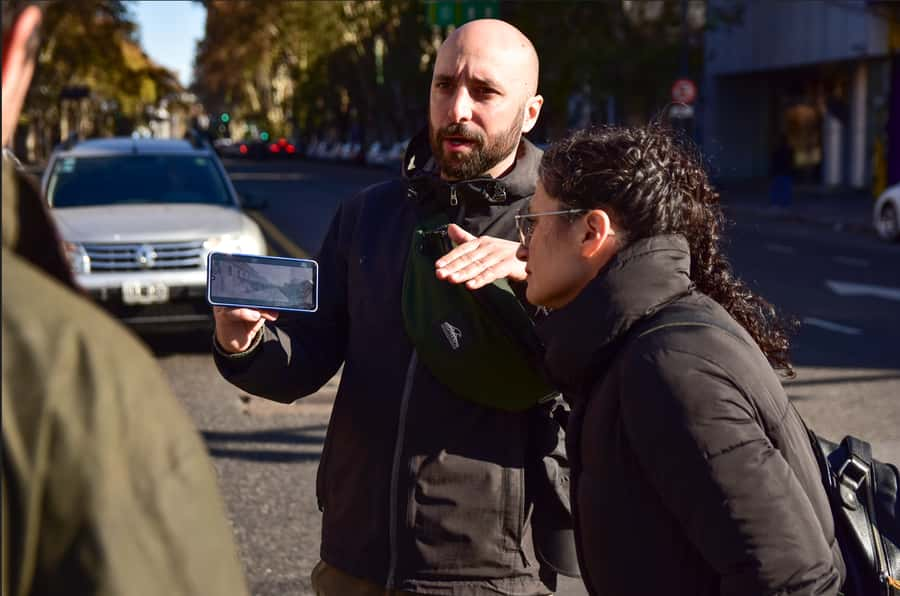
Pasaje Russel receives about 10 minutes and leads toward the finish at Plaza Serrano. Like Pasaje Emilio Zola, it gives the group a smaller street in which to consider Palermo’s changing identity.
By this stage, you have seen transport links, a modern technology center, community organizations, food institutions, immigrant references, and fashionable commercial areas. The final passage helps bring those threads together before the tour ends in one of Palermo SoHo’s best-known public spaces.
Plaza Serrano is a useful ending because you can continue your afternoon or evening from there. You may want food, drinks, shopping, or simply more time on foot. The walk does not finish at a remote point, so it works well as an introduction to spending more time in Palermo afterward.
The end also gives the guide a natural place to return to the future of SoHo. Is the neighborhood still a local district, or has it become a product? How much change can a community absorb? Those are not questions with one tidy answer, which is exactly why they make a good final discussion.
What the two-hour format does well, and where it is limited
The route covers many points in a short time. Some stops receive 15 or 20 minutes, while others take only three to five minutes. That keeps the walk moving and allows Nico to show you several sides of Palermo, but it means you will not have time for lengthy visits at every location.
I would choose this format if you like variety and discussion. You get a broad introduction to the area rather than a single deep look at one building or institution. If your ideal tour involves sitting inside museums, taking long photographs, or stopping for a full meal, this may feel rushed.
The group arrangement also matters. Private or small-group options are available, which should suit people who want more room for questions or a more focused conversation. The guide speaks Spanish, French, and English, so you can book in the language that works best for you.
Wheelchair access is listed as available. Since this is a walking route through streets and public places, you should still confirm any specific mobility needs when arranging your visit.
Is $25 good value for Palermo?
At $25 per person, the price is reasonable for a two-hour guided walk, especially if you care about interpretation rather than transportation or admission tickets. You are paying for a university-trained guide, a planned route, and a discussion that ties separate parts of Palermo together.
The value is strongest if you would otherwise wander past these locations without knowing their connection. Puente Pacífico, a cultural association, a plaza, a restaurant, and a side passage may seem unrelated on their own. Nico’s role is to provide the links.
The price is less compelling if you only want a quick orientation to cafés and shops. You can explore Plaza Serrano and the main commercial streets without a guide. This experience earns its fee through context, questions, and social history, not through entry to a major attraction.
The high rating and repeated praise for Nico’s humor, professionalism, and personable manner support the idea that the guide is a major part of the value. One person also received help when trying to locate the meeting point, which suggests that Nico is willing to handle practical problems rather than simply start the clock and walk away.
Who should book this walk?
I would recommend it to first-time Buenos Aires visitors who want Palermo explained before exploring it alone. It is also a good fit if you have already seen the obvious sights and want a more thoughtful look at how neighborhoods change.
You should enjoy asking questions. The walk is designed for interaction, and the strongest subjects are open-ended: gentrification, real estate speculation, immigration, currency, and the future of the district.
This is less suitable for someone who wants a food tour, a nightlife crawl, or a long list of photo stops. The restaurants are used as cultural examples, not as dining experiences. The route is also not built around shopping, even though it passes through an area known for fashionable businesses.
Practical details before you go
Meet by the amphitheater at Distrito Arcos, next to the Montagne store. Because the meeting point can be confusing, check the map link and arrive early enough to orient yourself.
The walk lasts two hours, with available starting times shown when you check the date. The guide can lead in Spanish, French, or English. Private and small-group formats are available, and wheelchair accessibility is listed.
You can cancel up to 24 hours before the activity for a full refund, and the reserve-now, pay-later option lets you keep your plans flexible. Those policies are helpful in Buenos Aires, where schedules can change, but the main booking decision should be whether you want an analytical neighborhood walk rather than a standard sightseeing loop.
Should you book Palermo SoHo for curious people?
Book it if you want to understand why Palermo SoHo looks the way it does. The best parts are the direct talk about gentrification, the immigration focus, and the explanation of peso devaluation and exchange rates. Nico’s mix of humor and serious discussion also appears to suit people who want substance without a dry lecture.
Skip it if you want a relaxed food stop, extended time at each landmark, or a tour focused only on famous attractions. For $25, this is a strong buy for curious walkers who want to see the neighborhood as a changing community, not just as a fashionable address.
FAQ
Where does the Palermo SoHo walking tour begin?
It begins by the amphitheater of Distrito Arcos, next to the Montagne store.
Where does the tour finish?
The walk ends at Plaza Serrano.
How long does the experience last?
The advertised duration is two hours.
How much does the tour cost?
The price is $25 per person.
Which languages are available?
The guide can lead the tour in Spanish, French, or English.
Is the tour private or shared?
Private and small-group options are available.
Is the walk wheelchair accessible?
Yes, the activity is listed as wheelchair accessible.
Who leads the experience?
The tour is led by Nico, a university-trained guide.
What topics does the guide discuss?
The walk covers Palermo’s past, present, and future, along with immigration, gentrification, real estate speculation, peso devaluation, and Argentina’s two exchange rates.
Can I cancel for a full refund?
Yes. You can cancel up to 24 hours in advance for a full refund.
Just added around Buenos Aires
- Tango Show at El Querandi with optional Dinner★ 4.2 · 3 reviews
- Wine Tasting in Buenos Aires★ 4.2 · 4 reviews
- Walking Tour: Buenos Aires bookstores★ 4.3 · 12 reviews
- Private Underground Tango Immersion★ 5.0 · 31 reviews
- Velez Sarsfield Football Match★ 5.0 · 3 reviews
- Unique Tigre and Delta Private Day Cruise Navegation★ 5.0 · 3 reviews
- Transfers from or to the airport In Argentina Your Best Choice★ 5.0 · 28 reviews
- Tour Buenos Aires in one day on Electric Scooters★ 5.0 · 33 reviews
Palermo Tours, compared.

Empanadas and Alfajores Cooking Experience in Palermo
Read our review →
Buenos Aires Bike Tour: North Districts, Recoleta and Palermo
Read our review →
Argentinian Empanadas Cooking Experience in Palermo, Bs As
Read our review →
Cultural Experience by Bike around Palermo and Recoleta Max 6 ppl
Read our review →
Browse the lists this tour appears in