

Reviewed · BUENOS AIRES WALKING TOURS
Jewish Sites Buenos Aires Private Walking and Car Tour
Buenos Aires’ Jewish story is told through places of worship, memorials, museums, and the painful memory of the AMIA bombing. This private tour connects those sites with a guide who can explain both the public history and the human stories behind it. Templo Libertad and the Buenos Aires Holocaust Museum give the tour its historical frame, while AMIA brings the subject into the present.
I like the choice between a focused 2-hour walk and a longer visit with the Salvador Kibrick Museum. I also like that the 4-hour option adds a private car, so you can reach the Israeli Embassy Memorial and other city landmarks without spending the whole outing on foot. The main consideration is that synagogue entry is not included, and the shorter versions still require walking on uneven surfaces.
Key points to know before booking
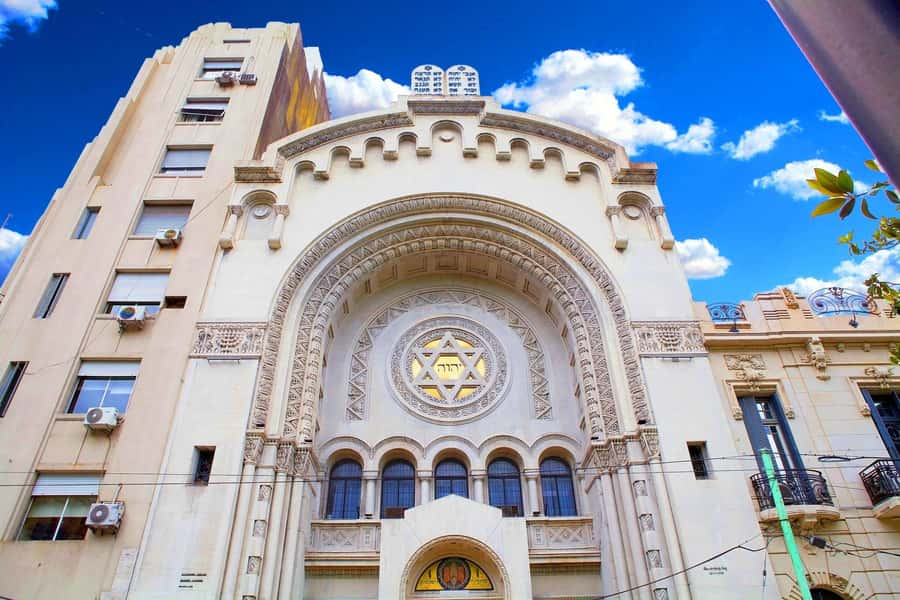
- Templo Libertad is viewed from outside: You learn about Argentina’s first synagogue, but entry to synagogues is not part of the tour.
- The AMIA stop carries the strongest emotional weight: Your guide explains the 1994 bombing and the community’s continuing work of remembrance.
- The Salvador Kibrick Museum requires the 3-hour or 4-hour option: Foreign visitors must bring an original passport.
- Only the 4-hour tour includes a private car: Pickup and drop-off at your Buenos Aires accommodation are included at that level.
- The guide makes the difference: Richard Shpuntoff is specifically praised for warm explanations, personal stories, and context about Argentina’s current political climate.
- The route is short but not entirely effortless: The walking portions cover about 25 to 30 minutes and may include steps or uneven ground.
Why Buenos Aires Jewish history deserves a dedicated tour
Buenos Aires has one of Latin America’s largest Jewish communities, but its story is easy to miss if you only visit the city’s grand avenues and famous plazas. This experience gives you a clear route through the places that shaped Jewish life in Argentina, then links that past to acts of remembrance after two major attacks.
I like this approach because it does not treat Jewish heritage as a museum subject alone. You see a synagogue façade, pass a museum, pause at memorial sites, and hear how immigration, religious life, political violence, and community identity fit together. The subject is serious, but the format is manageable. You are not committing to a full day of formal lectures.
The private format also matters. A guide can adjust the pace, explain unfamiliar terms, and spend more time on the subjects that interest you. If your family has a particular connection to Jewish migration, Holocaust history, religious practice, or modern Argentina, mention it when you book or at the start of the tour.
More walking tours in Buenos Aires:
- Buenos Aires Hop-On Hop-Off Bus, Free Walking Tours & Discounts
★ 4.5 · 2,218 reviews - Buenos Aires: La Boca Guided Walking Tour in English
★ 4.8 · 1,587 reviews - Nazis in Buenos Aires: a historical walking tour
★ 4.9 · 193 reviews
Starting at Hotel Presidente on Cerrito
The meeting point is in front of Hotel Presidente at Cerrito 850. Do not enter the hotel, since its staff are not involved with the tour. This is an important little detail in a busy city, so arrive with the address ready on your phone and check the operator’s email the day before for final instructions.
The 2-hour and 3-hour options begin as walking tours. They are described as moderately paced, with about 25 to 30 minutes of walking during the route. That does not mean every minute is spent walking. Your guide will stop at sites and explain their importance, but you should still wear comfortable shoes.
Buenos Aires weather can change, and the tour runs rain or shine. Bring suitable clothing and be ready for steps or uneven surfaces. The route is not presented as a difficult hike, but it is also not a fully smooth, indoor museum visit.
Templo Libertad and the first chapter of Jewish Buenos Aires
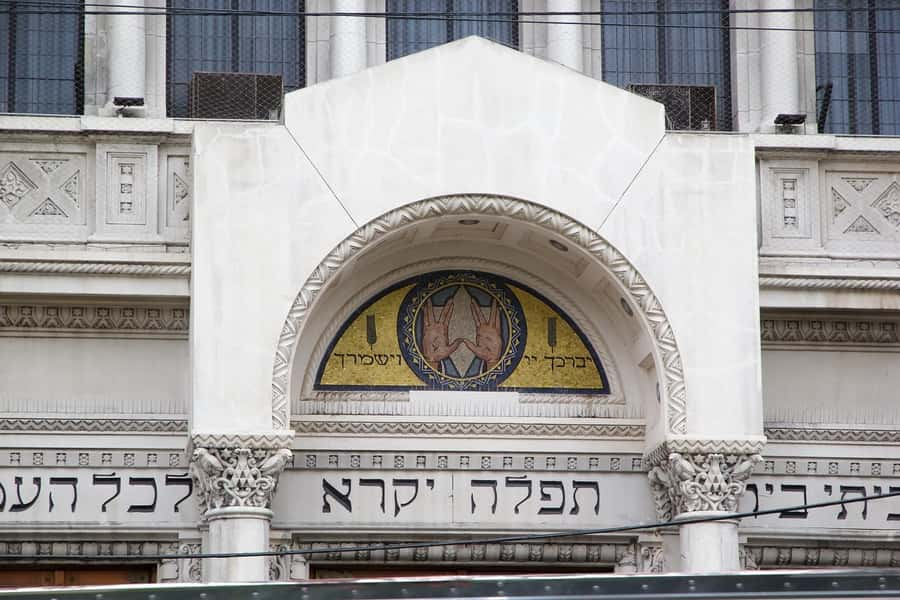
Templo Libertad is the visual anchor of the shorter tour. Located on Libertad Street, it is Argentina’s first synagogue and an important marker of the country’s early Jewish community. You view the exterior rather than enter the synagogue, so much of the value comes from your guide’s explanation of the building and the community connected to it.
This is a good example of why a private guide helps. A façade can be easy to photograph and forget. With context, it becomes a starting point for understanding Jewish immigration, religious life, and the process of building a community in Buenos Aires.
Nearby, you pass the Museo Judío de Buenos Aires. The museum helps explain how Jewish families established themselves in Argentina and balanced religious customs with life in a new country. On the 2-hour tour, you do not receive museum entry, so you should think of this stop as an introduction rather than a full museum visit.
If entering Jewish sites is essential to your plans, note the limits clearly: synagogue entry is not included, and the Salvador Kibrick Museum is included only on the longer tours.
The Buenos Aires Holocaust Museum

The Holocaust Museum shifts the focus from local community formation to the wider history of Jewish persecution, survival, and rebuilding. Your guide discusses Argentina’s role during and after World War II and the experiences of survivors who made new lives in the city.
The museum stop adds weight to the tour because it gives personal and historical scale to events that can otherwise feel distant. You may find that this is the point where the tour becomes less about buildings and more about memory, identity, and the choices people made after catastrophe.
The subject matter is difficult, and the tone is appropriately serious. This is not a light sightseeing stop to squeeze between shopping and lunch. I would choose this tour for the chance to listen carefully, ask questions, and give the topic the attention it deserves.
Same city, an entirely different evening:
- Buenos Aires: Piazzolla Tango Show with Optional Dinner
★ 4.4 · 2,122 reviews - Buenos Aires: City Highlights Guided Tour with Transfer
★ 4.7 · 1,946 reviews - Buenos Aires: Hop-On Hop-Off City Bus Tour
★ 4.2 · 1,855 reviews - Buenos Aires Hop-On Hop-Off Bus and Exclusive Benefits
★ 4.4 · 1,714 reviews
AMIA and the continuing memory of 1994
The AMIA building is one of the most important stops. AMIA, the Asociación Mutual Israelita Argentina, is a major institution in Jewish community life, and the 1994 bombing remains one of the darkest events in Argentina’s modern Jewish history.
Your guide explains what happened and why the attack still matters. The stop is not just a look back at a tragic event. It also concerns community strength, public memory, and the long impact of violence on Argentina as a whole.
This is where a private tour can be more useful than a standard city sightseeing route. You can pause, ask for clarification, and discuss how the bombing affected Jewish life and the wider country. The tour description promises stories of resilience and remembrance, and that balance is important. The experience does not reduce the community to tragedy.
The 3-hour option and the Salvador Kibrick Museum

For most people, the 3-hour tour is the best balance. It keeps the main walking route, then adds admission to the Museo Judío de Buenos Aires Dr. Salvador Kibrick. Inside, you see ritual objects, photographs, and historical documents that give physical detail to the stories introduced on the street.
I prefer this option if you want more than exterior views. Museum objects can explain daily religious practice and family life in a way that architecture alone cannot. The extra hour also gives your guide more time to connect immigration, community institutions, and cultural continuity.
There is one important security rule. Foreign visitors must show an original passport, while Argentine citizens must present a national identity card. A photocopy or phone image may not meet the stated requirement, so carry the correct original document.
The 3-hour option does not include private transport. You make your own way to the meeting point and return independently. That is not a serious drawback if your accommodation is central and you are comfortable using Buenos Aires transportation, but it is worth including in your planning.
What the 4-hour car tour adds
The 4-hour version is the broadest choice. It includes the museum and private transport, with pickup and drop-off at your accommodation in Buenos Aires. The car changes the feel of the outing: instead of concentrating on one compact walking area, you can connect Jewish sites with larger civic spaces across the city.
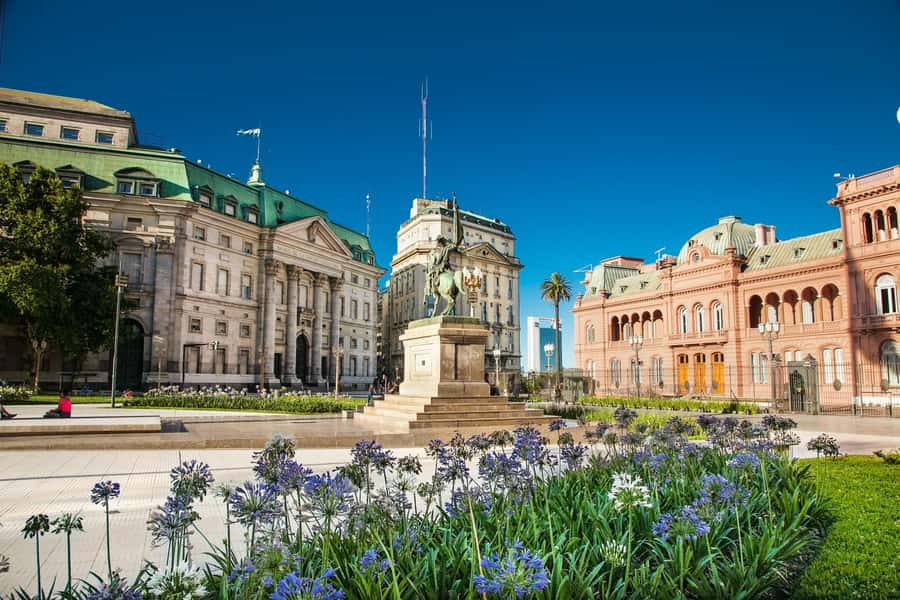
The route adds Plaza Libertad, 9 de Julio Avenue, the Israeli Embassy Memorial, and Plaza General San Martín. These places are not interchangeable sightseeing stops. Together, they show how Jewish memory sits within the larger public life of Buenos Aires.
The Israeli Embassy Memorial commemorates the 1992 attack and offers an important comparison with the AMIA stop. Seeing both memorial sites helps you understand that Jewish history in Argentina includes migration and cultural achievement, but also the lasting effects of political violence.
9 de Julio Avenue gives you a sense of Buenos Aires as a major capital city. It is one of the world’s widest avenues, so the drive itself helps place the Jewish sites within the city’s grand urban setting. Plaza General San Martín adds another civic reference point, tied to Argentina’s military and immigrant history.
I would choose the 4-hour tour if you want comfort, have limited time in Buenos Aires, or prefer not to work out local transport between sites. It is also the better pick for anyone who wants the full route rather than a concentrated neighborhood walk.
The guides and the value of a private format
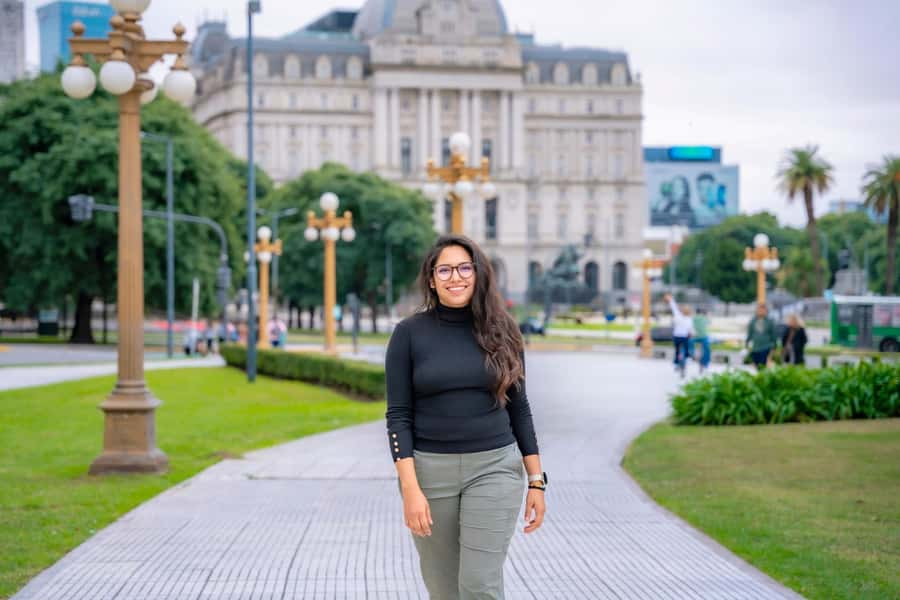
The tour is offered with a licensed guide in English, Spanish, French, Italian, or Portuguese. The private group format allows a maximum of 25 people per guide, with additional guides arranged for larger groups. A smaller private party should make it easier to hear commentary and ask direct questions.
Richard Shpuntoff is specifically praised for being warm, open, generous with information, and willing to connect historical topics with personal and family stories. That kind of guide can change the experience from a list of dates into a clearer picture of Argentina today.
I would not choose a tour about Jewish history based only on the number of stops. The guide’s ability to handle grief, politics, religion, and identity matters more than racing through a long checklist. The available languages and private setup give you a good chance of finding a comfortable pace and communication style.
Is $129 a fair price?
At $129 per person, this is not the cheapest way to see central Buenos Aires. The value depends on which version you book and how much you want a specialist guide.
For the 2-hour walk, you are paying mainly for private guiding and historical interpretation. Since museum admission and transport are not included, the price makes the most sense if you care about the subject and want a focused conversation rather than a general city tour.
The 3-hour option offers better value for many visitors because it adds the Salvador Kibrick Museum. You get both the outdoor route and a collection of objects and documents, while keeping the tour to a manageable length.
The 4-hour option costs more in time as well as money, but private transport and accommodation pickup can justify it. You avoid arranging taxis or public transport between sites, and you see the Israeli Embassy Memorial and other landmarks that do not fit comfortably into the shorter walk.
For a family or small private group, the price may compare well with arranging separate museum visits, transport, and a guide. For a solo visitor mainly seeking a quick look at Templo Libertad, the 2-hour option is easier to justify than the full 4-hour package.
Who should book this experience?
I recommend it most strongly to visitors who want Jewish history presented with local context, not just a list of religious buildings. It suits people interested in immigration, Holocaust remembrance, community institutions, modern Argentine politics, and the meaning of public memorials.
The 3-hour tour is the practical choice for many first-time visitors. Choose it if you want museum entry and enough time for thoughtful explanations without committing to the longest version.
Choose the 4-hour tour if private pickup matters, your mobility or energy makes city transport tiring, or you want the Israeli Embassy Memorial and additional civic landmarks. The car is also useful if you want a wider geographic picture of Buenos Aires.
The 2-hour tour works for a tight schedule, but understand what you are buying. It is a compact introduction, not a full museum day, and you will see the main synagogue and museum sites from the outside or through guided commentary.
Practical details that can shape your day
The tour runs for two to four hours, depending on the option, and starting times depend on availability. Free cancellation is offered up to 24 hours before the start, and you can reserve now and pay later, which helps when your Buenos Aires schedule is still changing.
Food and drinks are not included. Plan them before or after the tour rather than expecting a meal stop.
Bring comfortable shoes, weather protection, and the required original identification for the Salvador Kibrick Museum. If you have specific needs, contact customer support ahead of time because the guide can adjust the pace to suit the group.
Should you book it?
Book this tour if you want a serious, personal introduction to Jewish Buenos Aires and value a guide who can explain both historic events and their effect on the city today. The strongest reasons are the focused route, the AMIA and Israeli Embassy memorial stops, and the chance to ask questions in a private setting.
I would choose the 3-hour museum option for the best mix of depth and time. Pick the 4-hour version if transport and a broader itinerary matter more than keeping the price and schedule low. Choose the 2-hour walk only if your time is limited or you mainly want an informed introduction to Templo Libertad, the Holocaust Museum, and AMIA.
FAQ
Where does the tour begin?
The walking tours meet in front of Hotel Presidente at Cerrito 850 in Buenos Aires. Do not enter the hotel, since hotel staff are not informed about the tour.
How long does the experience last?
The available options last two, three, or four hours.
Is the tour private?
Yes. The experience is offered as a private group tour with one guide for up to 25 people. Larger groups receive additional guides.
Which languages are available?
Guides are available in English, Spanish, French, Italian, and Portuguese.
Is entry to Templo Libertad included?
No. Entry to synagogues is not included, so Templo Libertad is viewed from outside during the route.
Is the Salvador Kibrick Museum included?
Museum entry is included with the 3-hour and 4-hour options. It is not included with the 2-hour option.
What identification is required for the museum?
Foreign visitors must present an original passport. Argentine citizens must present their national identity card.
Which tour includes private transportation?
Only the 4-hour tour includes private transportation, with pickup and drop-off at your accommodation in Buenos Aires.
Does the walking route include uneven ground or steps?
Yes. The 2-hour and 3-hour options include about 25 to 30 minutes of walking and may involve uneven surfaces or steps. Comfortable shoes are recommended.
Can I cancel the booking?
You can cancel up to 24 hours in advance for a full refund. You can also reserve now and pay later.
Just added around Buenos Aires
- Tango Show at El Querandi with optional Dinner★ 4.2 · 3 reviews
- Wine Tasting in Buenos Aires★ 4.2 · 4 reviews
- Walking Tour: Buenos Aires bookstores★ 4.3 · 12 reviews
- Private Underground Tango Immersion★ 5.0 · 31 reviews
- Velez Sarsfield Football Match★ 5.0 · 3 reviews
- Unique Tigre and Delta Private Day Cruise Navegation★ 5.0 · 3 reviews
- Transfers from or to the airport In Argentina Your Best Choice★ 5.0 · 28 reviews
- Tour Buenos Aires in one day on Electric Scooters★ 5.0 · 33 reviews
Buenos Aires Walking Tours, compared.
Buenos Aires Hop-On Hop-Off Bus, Free Walking Tours & Discounts
Read our review →
Nazis in Buenos Aires: a historical walking tour
Read our review →
Buenos Aires Walking Tour with Local Guide and Optional Rooftop
Read our review →

Browse the lists this tour appears in