
Reviewed · BUENOS AIRES ARCHITECTURE & HISTORY TOURS
Buenos Aires 3-Hour Small Group Pope Francis Tour
Buenos Aires shaped Pope Francis long before Rome knew his name. This three-hour tour follows Jorge Bergoglio from his family home and schooldays to the churches where his faith took form, ending at the Metropolitan Cathedral on Plaza de Mayo. I like the personal focus, and I like that the route also gives you a look at ordinary Argentine places tied to his early life. The small group, capped at 15 people, should make questions easier.
The main drawback is the pace. You cover several neighborhoods and many important buildings in only three hours, so this is an overview rather than a slow architectural tour. Church access can also change with Mass schedules, and the information about wheelchair access is conflicting, so confirm that point before booking.
Key points of the Pope Francis tour
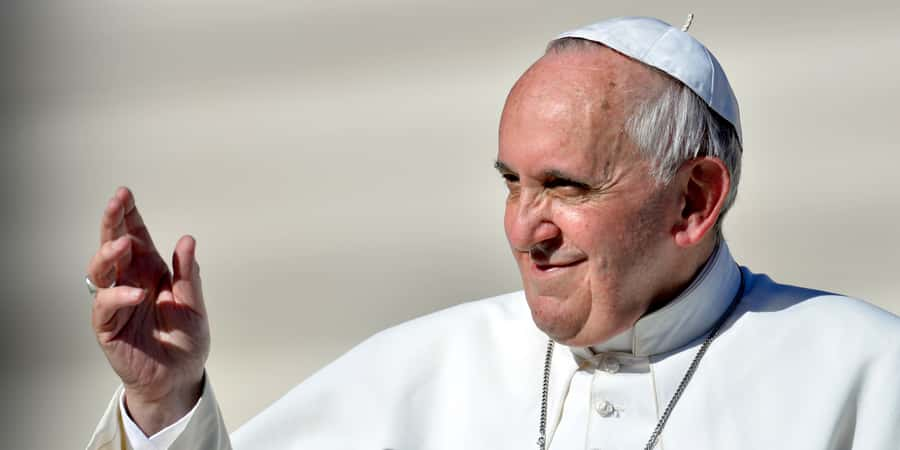
- Follow his life in order: Begin with his childhood home, then visit schools, churches, his baptismal basilica, and the cathedral where he served as archbishop.
- See the Basilica of San José de Flores: This is where 17-year-old Jorge Bergoglio felt called to the priesthood.
- Visit the oldest preserved church in Buenos Aires: San Ignacio de Loyola dates to 1675 and forms part of the Manzana de las Luces.
- Learn about his everyday interests: The tour includes Club Atlético San Lorenzo de Almagro, the football club Francis passionately supports.
- Ride between neighborhoods: Transfers are included, which matters because the route stretches from San Telmo through Flores and other parts of the city.
- Book with some flexibility: The tour costs $132 per person, lasts three hours, and may change when churches are holding Mass or are unavailable.
Why this tour tells more than a papal story
A Pope Francis tour in Buenos Aires works best when you want to understand the person before the title. You are not simply visiting a grand church connected to a famous religious leader. You are tracing a local life through family, education, parish faith, football, and public service.
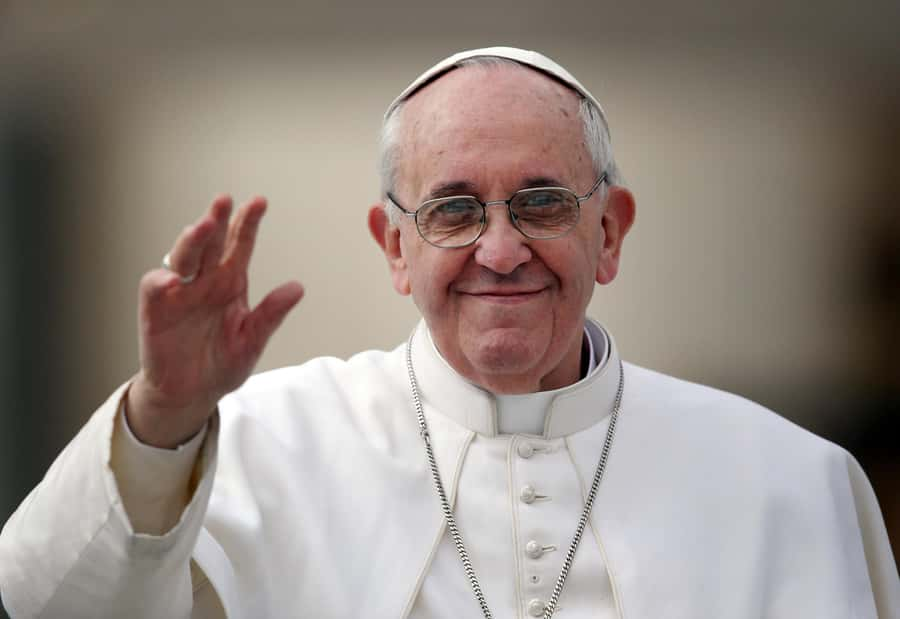
I find that approach more useful than a tour built only around major monuments. Francis grew up in Buenos Aires as Jorge Bergoglio, and this route puts that name first. His childhood home, schools, neighborhood churches, and football club help place him within the city he knew.
The route also mixes famous and less obvious stops. The Buenos Aires Metropolitan Cathedral is an expected highlight, but a school or a neighborhood basilica can tell you more about his daily world. You get the large public setting at the end, after seeing the places connected to his formation.
The experience is especially suited to Catholic visitors and people curious about Argentine history and culture. It is less suited to someone who wants a general Buenos Aires sightseeing tour, since the focus remains firmly on Bergoglio’s life and Catholic institutions.
More architecture and history tours in Buenos Aires:
- Nazis in Buenos Aires: a historical walking tour
★ 4.9 · 193 reviews - San Telmo: Historical Guided Tour with Street Food & Drinks
★ 5.0 · 87 reviews - Buenos Aires: La Boca Art and History Walking Tour
★ 4.8 · 55 reviews
Starting at 10:00 am in San Telmo
You meet the guide at Tangol’s office at Defensa 831 in San Telmo at 10:00 am. There is no hotel pickup, so you need to make your own way to the meeting point. The tour includes transfers after that, a useful feature because the stops are spread across the city.
A small group of no more than 15 people gives this outing a more personal shape than a large coach tour. You should have a better chance to hear the guide and ask about details that interest you, such as Bergoglio’s education, his parish work, or his connection to San Lorenzo.
Guides are available in English, Spanish, and Portuguese. Pablo is named in earlier booking feedback as a warm and very well-informed guide who added Argentine history, culture, and politics to the papal story. Guide assignments can change, so treat Pablo as an example of the style you may receive rather than a guaranteed guide.
Wear comfortable shoes. You will be moving through several parts of Buenos Aires, and the day involves visits and stops rather than sitting in one building. Large bags and luggage are not allowed, so bring only what you need for three hours, including your passport or ID card.
The Flores home and early family life
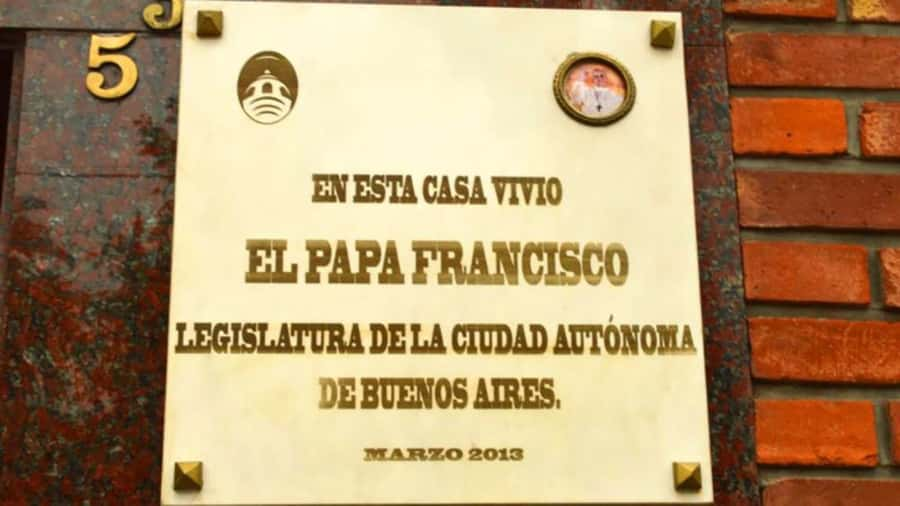
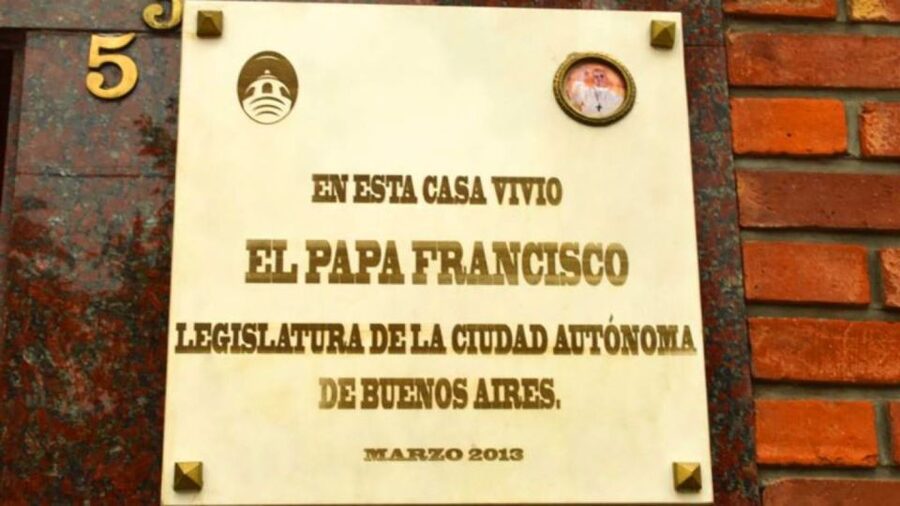
The first stop is the childhood home in the Flores neighborhood, where Jorge Bergoglio lived with his parents and siblings. This is one of the most personal parts of the itinerary because it shifts the story away from official titles and toward family life.
You should keep your expectations realistic. The information provided does not promise an interior house visit, so the value may lie in seeing the location and hearing the guide explain its place in his early years. The guide’s narration matters here, since a home by itself may look like an ordinary Buenos Aires address.
That is also the point. Francis’s early life did not begin in a grand religious setting. The tour uses a normal neighborhood setting to show the background of a future pope who was raised in the city as a local boy.
For visitors interested in social history, this stop gives useful context. You begin to see how the tour is arranged: family first, education next, then the religious places that shaped his decision to become a priest.
Schools, the university, and the Iglesia del Salvador
The itinerary continues to the Instituto Nuestra Señora de la Misericordia and the Universidad del Salvador, along with the Iglesia del Salvador. These stops focus on Bergoglio’s education and early intellectual and religious development.
I appreciate this part because it avoids presenting his vocation as a single isolated event. His life was shaped by classrooms, institutions, teachers, and church communities as well as by personal faith. Seeing those settings helps connect the young Bergoglio to the wider society around him.
The Universidad del Salvador is also linked to the Jesuit tradition, an important part of understanding Francis. The tour does not just point out where he studied. It places those years within the institutions that influenced his thinking and his work in the Church.
Because the tour includes several addresses, some stops may be viewed from outside or handled briefly. The schedule has to keep moving. If you want long visits inside every building, this will feel rushed. If you want a guided map of the places that mattered, the pace makes more sense.
A few more Buenos Aires outings worth weighing up
- Buenos Aires: 3-Hour Private Customizable Tour
★ 4.6 · 44 reviews
The Basilica of San José de Flores and the call to priesthood
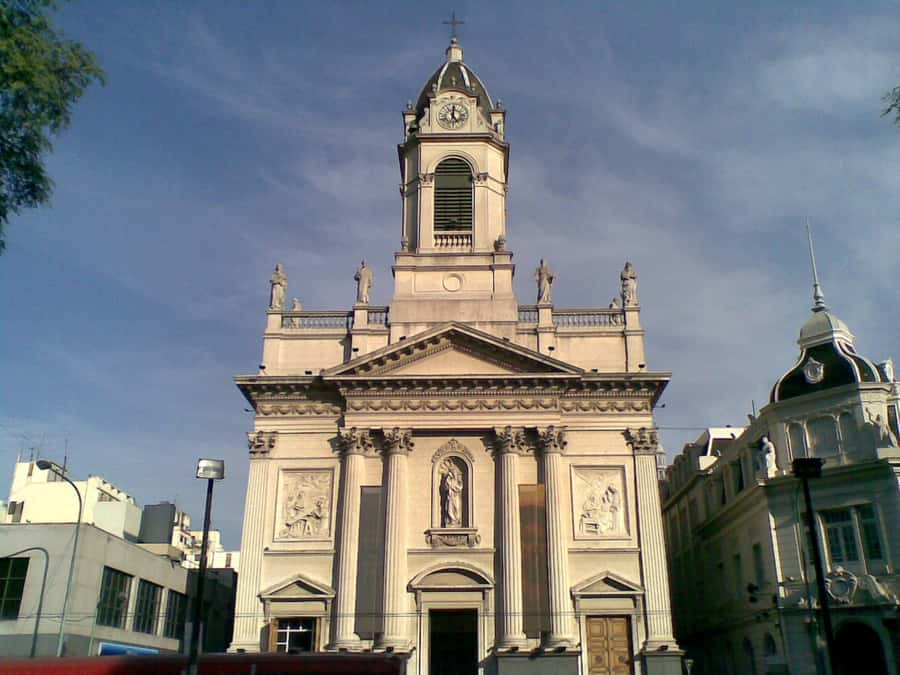
The Basilica of San José de Flores is one of the emotional centers of the tour. Bergoglio attended this church during his childhood and adolescence, and at age 17 he experienced what he described as a divine call that led him toward the priesthood.
This stop gives the itinerary its clearest turning point. Before the basilica, you see the family and educational background. Here, the story moves toward the decision that changed his life.
The guide can explain the meaning of the moment and its connection to Francis’s episcopal motto, which refers to God’s mercy. That connection gives visitors a better sense of how an event from youth remained part of his later public identity.
The basilica is also a reminder that a church can matter because of memory, not only because of architecture. You may find the interior visit especially meaningful, but access is not guaranteed at every moment. Mass schedules and church availability can alter the plan, so keep your timing flexible.
The baptismal basilica and San Lorenzo football
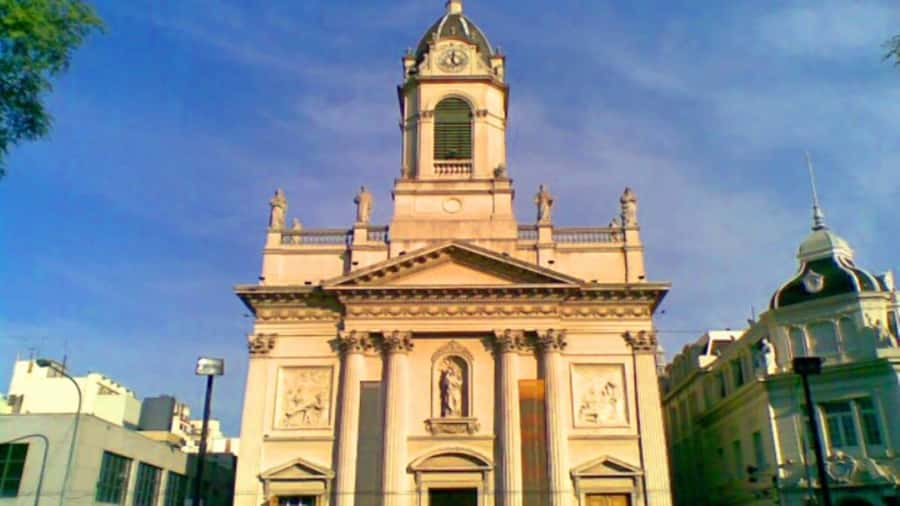
The Basilica of Mary Help of Christians and St. Charles is included as the place where Bergoglio was baptized. This adds another early milestone to the route and gives the tour a clear sequence: home, school, parish life, vocation, and baptism.
The itinerary also brings in Club Atlético San Lorenzo de Almagro, the football club Francis supports passionately. That detail may seem lighter than the church visits, but it makes the portrait more complete. You see a public religious figure with a strong connection to a local team and to Argentine football culture.
I like this balance. A tour about a pope can become overly formal, with every stop treated as solemn. The San Lorenzo connection shows a more everyday side of Bergoglio and helps connect him to the city’s popular culture.
The available information does not specify whether you enter the club facilities or simply learn about the club during the route. Ask the guide what access is possible on your date. Either way, its inclusion gives the tour a welcome change of tone.
San Ignacio de Loyola in Montserrat
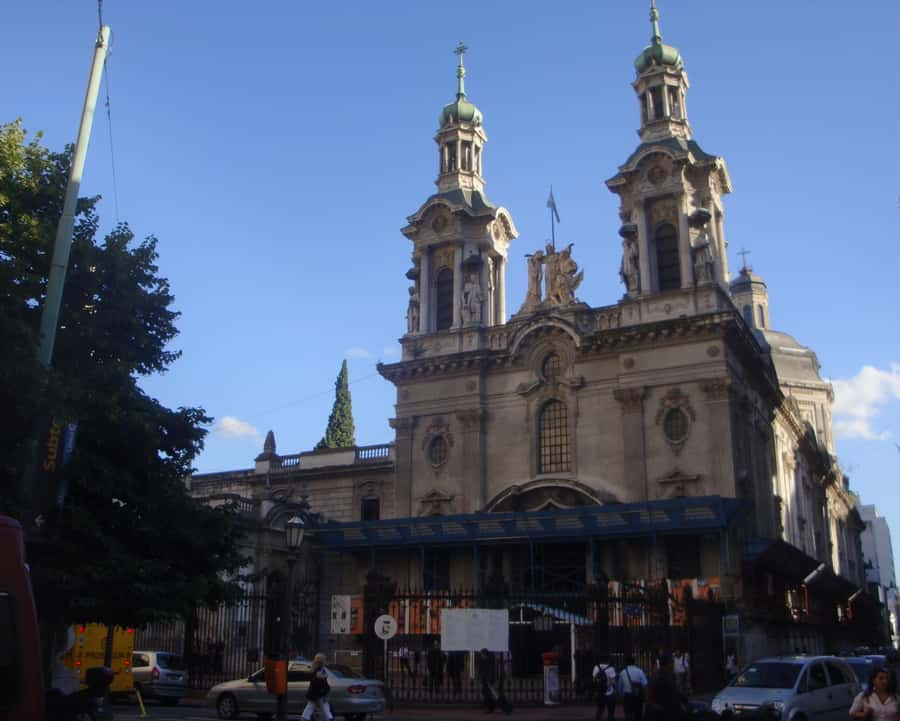
The route then reaches the Church of San Ignacio de Loyola in Montserrat. Built by the Society of Jesus in 1675, it is the oldest preserved church in Buenos Aires and forms part of the Manzana de las Luces.
This is where the tour widens beyond Francis’s biography. The church links his Jesuit identity to the older religious story of Buenos Aires. Its age and role make it important even for visitors who are not taking the tour for religious reasons.
The Manzana de las Luces is one of the city’s historic areas, and San Ignacio helps you understand how religious orders shaped early Buenos Aires. The tour does not treat the church as a random photo stop. It fits into the larger account of the institutions that formed Bergoglio and the city around him.
As with the basilicas, access may depend on services and local conditions. You should expect the guide to adjust the order or length of stops if a Mass is taking place. That can be inconvenient if you have a strict schedule, but it is also part of visiting working churches rather than museum displays.
Ending at the Metropolitan Cathedral
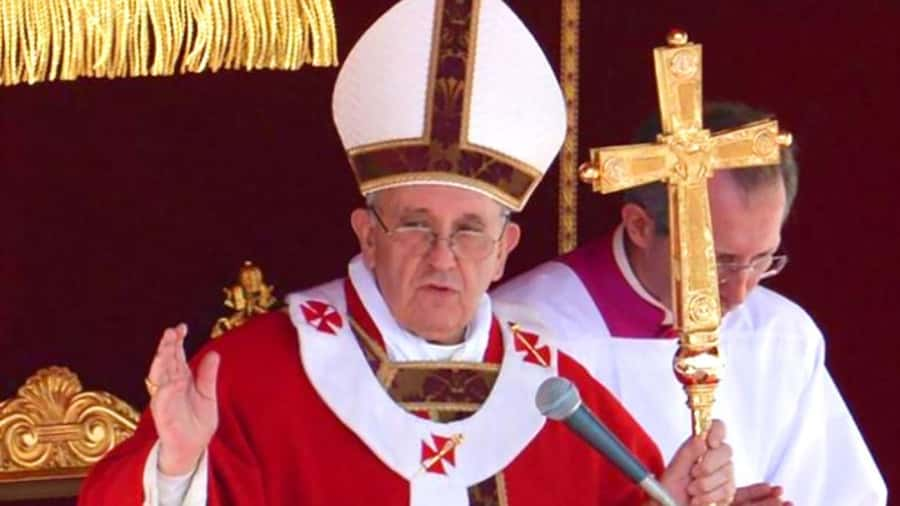
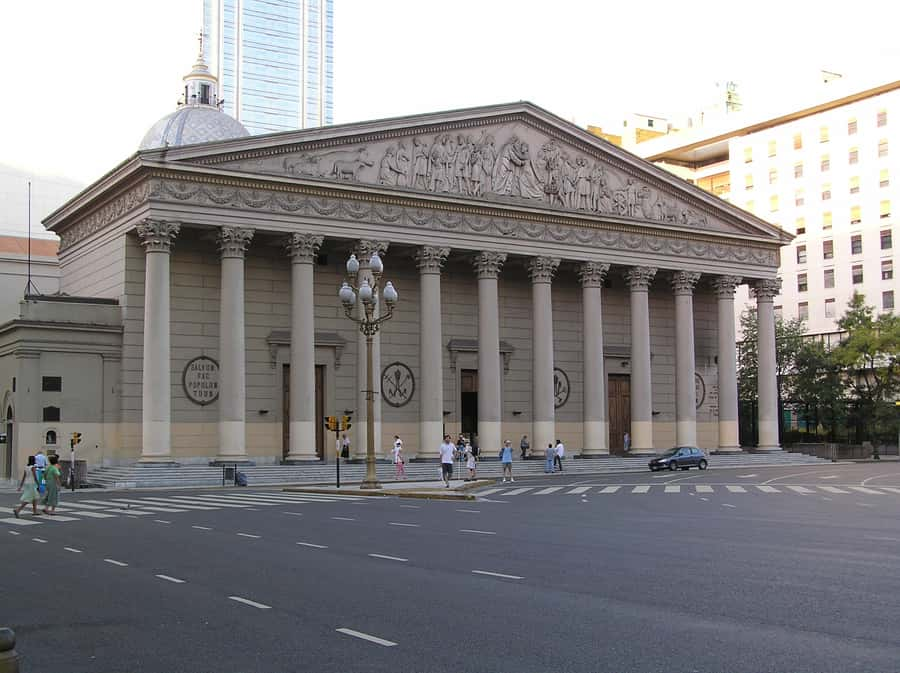
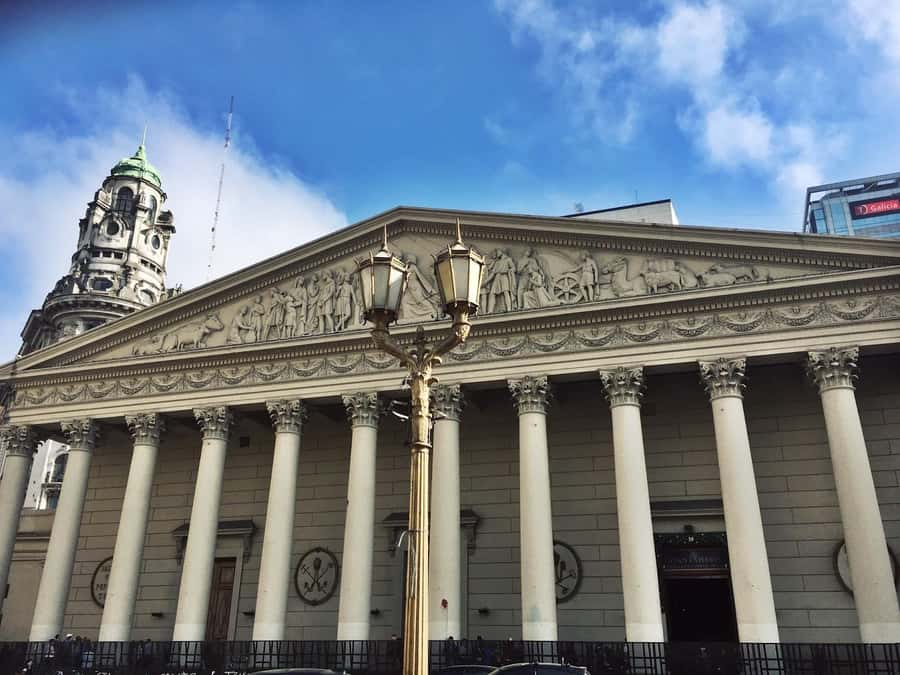
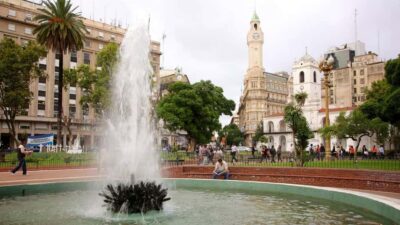
The final major stop is the Buenos Aires Metropolitan Cathedral, overlooking Plaza de Mayo. It is the city’s main Catholic church and was declared a historical monument in 1942.
This is a fitting end because Bergoglio served here as Archbishop of Buenos Aires. The cathedral was also where people gathered while waiting for news of his election as pope. By arriving here after the earlier stops, you can see how the private and local story grew into a citywide and then global event.
The cathedral gives the tour its strongest public setting. Plaza de Mayo places the church beside some of Buenos Aires’s most important civic and political spaces, so the guide may connect Francis’s work to the city’s wider life.
One useful detail from an earlier visit is that a participant remained at the cathedral for Mass and later attended a concert. That is not part of the tour guarantee, but it shows why you may want to leave room in your schedule after the official three hours. Check the cathedral’s current services and events independently rather than assuming they will be available.
Is $132 a fair price?
At $132 per person, this is not a cheap short city tour. The price makes more sense if you value the private transfers, specialist subject, small group, and guide-led context. You are paying for a focused route across several Buenos Aires neighborhoods, not simply for entry to one church.
The tour includes transportation during the experience and a guide. Food and drinks are not included, and neither is transportation to or from the meeting point. Plan to eat before or after the tour rather than expecting a break for refreshments.
For a visitor already interested in Francis, Catholic history, or Jesuit education, the price can be reasonable because arranging this route alone would take research and coordination. You would need to identify the addresses, connect distant neighborhoods, and work around church schedules.
The value is weaker if you only have three hours in Buenos Aires and want to see the city’s broadest attractions. This tour gives you a narrow but detailed subject. It should be an addition to a city visit, not your only introduction to Buenos Aires.
Pace, group size, and practical limits
Three hours is enough to connect the main chapters of Bergoglio’s life, but not enough for long interior visits at every stop. You will likely spend part of the time in transfers, which is necessary because the route reaches Flores, Montserrat, and other parts of the city.
The maximum group size of 15 is a useful middle ground. It keeps the tour social without making the guide’s explanation hard to follow. A particularly small group may allow more questions, but you should not book on the assumption that you will receive a private tour.
The itinerary can change without notice because of Mass times and basilica availability. That means you should avoid scheduling an important appointment immediately after the tour. The route’s central ideas should remain intact, but the order or time spent at a church may shift.
There is also a contradiction in the supplied accessibility information. One section describes the activity as wheelchair accessible, while another says it is not wheelchair accessible. Contact Tangol before paying if step-free access is important to you, and ask about the vehicles, church entrances, and every stop rather than relying on a general label.
Free cancellation is available up to 24 hours before the tour for a full refund, and you can reserve now and pay later. Those terms help if your Buenos Aires schedule is still changing, but you should still check the conditions shown at booking.
Who will enjoy this experience most?
I would choose this tour if you are a Catholic visitor, a Francis admirer, or someone interested in how a major religious figure was formed by a particular city. The itinerary gives you a much more grounded picture than a simple cathedral visit.
It also suits repeat visitors to Buenos Aires who have already seen the main central sights and want a focused theme. The route adds Flores, local institutions, older churches, and a football connection to your understanding of the city.
You may want to skip it if you dislike religious sites, need a leisurely pace, or want extensive time inside each building. The tour is also not ideal if you have luggage with you, since large bags are not allowed.
English, Spanish, and Portuguese options make the experience accessible to a broad audience. Just confirm the language and access details at booking, since the guide and exact route can affect how smoothly the three-hour schedule works.
Should you book the Pope Francis tour?
Book it if you want the story of Jorge Bergoglio before he became Pope Francis, told through the actual Buenos Aires places tied to his family, education, faith, and interests. The strongest parts are the Basilica of San José de Flores, the oldest preserved church at San Ignacio de Loyola, the baptismal basilica, and the closing visit to the cathedral.
I would also book it if you value a guide who can add local history, politics, and culture to a religious subject. Pablo’s earlier guiding style, described as warm and well informed, suggests the tour can become more than a checklist of addresses.
Skip it if your priority is general sightseeing or a slow architectural visit. For the right audience, though, the $132 price buys a well-organized route that links personal memory with major religious landmarks, all within a manageable half-day.
FAQ
Where does the Buenos Aires Pope Francis tour begin?
You meet at Tangol’s office at Defensa 831 in the San Telmo neighborhood of Buenos Aires.
What time does the tour start?
The stated meeting time is 10:00 am. Starting times can vary, so check availability when booking.
How long does the tour last?
The tour lasts three hours.
What languages are available?
Live guides are available in English, Spanish, and Portuguese.
Is hotel pickup included?
No. Hotel pickup and drop-off are not included. You must reach the San Telmo meeting point yourself.
What should I bring?
Bring a passport or ID card and comfortable shoes. Large bags and luggage are not allowed.
Can the itinerary change?
Yes. The order or details may change without notice because of Mass schedules or the availability of the basilicas.
Just added around Buenos Aires
- Tango Show at El Querandi with optional Dinner★ 4.2 · 3 reviews
- Wine Tasting in Buenos Aires★ 4.2 · 4 reviews
- Walking Tour: Buenos Aires bookstores★ 4.3 · 12 reviews
- Private Underground Tango Immersion★ 5.0 · 31 reviews
- Velez Sarsfield Football Match★ 5.0 · 3 reviews
- Unique Tigre and Delta Private Day Cruise Navegation★ 5.0 · 3 reviews
- Transfers from or to the airport In Argentina Your Best Choice★ 5.0 · 28 reviews
- Tour Buenos Aires in one day on Electric Scooters★ 5.0 · 33 reviews
Buenos Aires Architecture & History Tours, compared.
Nazis in Buenos Aires: a historical walking tour
Read our review →
Historical Guided Tour with Street Food & Drinks
Read our review →
Recoleta Cemetery – Small Group Tour of History & Secrets
Read our review →
Browse the lists this tour appears in